As an Amazon Associate, we earn from qualifying purchases. Some links on this site are affiliate links at no extra cost to you. Our recommendations are based on thorough research and editorial judgment.


Return-to-home Failsafe Setup

Return-to-home (RTH) failsafe setup is essential for drone safety. It activates automatically after 3 to 20 seconds of signal loss, guiding the drone back home—think of it as a safety net for your aerial adventures. Key configurations include setting RTH altitude above 100 meters and verifying a strong GPS signal. Users can also manually trigger RTH. Regular checks and maintenance enhance performance. Curious about the technologies behind it? There’s much more to explore!
Key Takeaways
- Configure RTH settings with a preset altitude above 100 meters for safety during returns.
- Ensure strong GPS signal with at least 10 satellites before takeoff for accurate home positioning.
- Set guard time between 1-1.5 seconds to prevent unnecessary RTH activation during brief signal loss.
- Familiarize yourself with RTH protocols and device features before flights for effective emergency responses.
- Maintain detailed logs of RTH setups for troubleshooting and enhancing flight consistency.
Understanding Return-to-Home (RTH) Failsafe
Signal Loss: Activates typically after a brief 3- to 20-second delay, depending on the connection type. The Return-to-Home (RTH) failsafe is essential in drone operation, offering pilots invaluable peace of mind. When Signal Loss or critically low battery occurs, this feature automatically kicks in, guiding the drone back to its designated home point.
RTH Importance:
- Prevents Loss: Minimizes the risk of flyaways or crashes.
- Safety First: Guarantees drones land safely, avoiding risky areas.
RTH Applications:
– RTH plays an important role in adventure photography, search missions, and leisure flying, empowering users to focus on their activities without worrying about losing their drone. With RTH, flying is not just safer—it’s stress-free! Additionally, understanding the features of RC bait boats can enhance your fishing experience, making it as effortless as using RTH in drone operation.
Essential Technologies Behind RTH Failsafe

The remarkable safety features of the Return-to-Home (RTH) system hinge on sophisticated technologies that work seamlessly together to protect drones and their pilots. Key elements include:
- GPS Modules: Providing essential location data, GPS accuracy implications can arise from signal quality and atmospheric conditions, influencing navigation.
- Flight Controller: This central unit processes data and executes commands, ensuring best routes while avoiding hazards—important for safe returns.
- Compass Sensors: These determine the drone’s heading, critical for accurate navigation. Calibration is paramount to mitigate sensor integration challenges.
- Battery Monitoring: Protecting against power depletion, it triggers RTH before significant levels are reached—just in time for a safe arrival. Additionally, these systems underscore the importance of safety features like automatic shut-off that enhance the reliability of electronic devices.
Such technologies collectively foster a reliable and responsive return, enhancing pilot and drone safety.
Recommended Products

🥇🥇🥇🥇🥇【100% AUTEL O.R.IGINAL】As an authorized Autel distributor, we source all products 100~% AUTEL O.R.IGINAL, directly from Autel's factory. This g.u~arantees a~uth.entic product quality and comprehensive a-fter-s-ales su.pp.ort. 📢Any issues, please re~ach📩AutelStoreOnline @ outlook . com📩

IMU: SMA26 PRO IMU RTK GPS SURVEY EQUIPEMNT (include surveying tripod, surveying pole and tribrach), Inertial Navigation RTK Receiver, augments positioning accuracy by accounting for motion and changes in direction 0° -60° Tilt

8K Photo Resolution with 4K Video Recording and 3-Axis Mechanical Gimbal: Equipped with a professional 3-axis mechanical anti-shake gimbal and dual-lens system, including a 4K ultra-clear main camera and a 5X zoom telephoto camera. The 110 wide-angle lens captures breathtaking landscapes with smooth and stable footage. Support 8K ultra-high resolution image generation, you can export original 8k super clear photos to record every delicate detail of the scenery. Built-in HDR and night enhancement technology optimize brightness and details, delivering cinematic videos and sharp photos even in low-light environments
Common Triggers for RTH Activation

What could prompt a drone to trigger its Return-to-Home (RTH) feature? Several common triggers exist:
- Signal Loss: When the drone loses its controller signal—typically beyond a delay of 6–11 seconds—it automatically activates RTH to prevent flyaway. This can occur due to distance, interference, or physical barriers.
- Battery Warnings: Drones are equipped with low battery alerts, often accompanied by audible alarms. If battery levels fall below a critical threshold, the drone will prioritize returning home to guarantee a safe landing.
Additionally, ensuring proper propeller compatibility is essential to maintain optimal drone performance, which can influence RTH activation. Other factors like environmental conditions and user manual activation can also compel a drone to return home, but signal loss and battery issues remain the primary concerns for operation safety.
RTH Flight Path Logic and Behavior

Maneuvering the skies, a drone’s Return-to-Home (RTH) feature is not just a safety net—it’s a meticulously crafted ballet of logic and behavior designed to guarantee safe landings. The RTH pathfinding mechanics dictate a drone’s actions based on its distance from home:
- Within 25 m: RTH is disabled to prevent unnecessary returns.
- 5-50 m away: The drone flies straight back at its current altitude.
- Beyond 50 m: It first navigates 50 m backward, then ascends to the set RTH altitude, ensuring altitude management clears obstacles en route.
If the drone detects signal loss, it intelligently recalibrates, using a vision system for safe navigation—an impressive display of autonomy that enhances user confidence during high-pressure flights. This level of autonomous navigation mirrors the advanced safety features found in many high-performance RC boats, ensuring stability and reliability in challenging environments.
Types of Failsafe Systems for RTH

Returning home safely isn’t just a luxury—it’s a necessity for drone operations, and several dependable failsafe systems facilitate this. Common types of RTH systems include:
- Low Battery RTH: Activates when battery levels are critical, prompting an automatic return before a crash occurs. This offers significant failsafe advantages but can feel restrictive when used as a last resort.
- Signal Loss RTH: Engages upon losing the controller signal, with the drone retracing its path. While this provides a strong failsafe advantage, it may not always navigate obstacles effectively.
- Manual Activation: Allows immediate operator choice, ideal for emergencies. However, it may be less reliable if mismanaged.
Each system embodies unique failsafe technology with advantages and disadvantages, ensuring safer flights and minimizing loss. Effective maintenance of waterproof features is essential to prevent damage and ensure reliable operation of these systems in various conditions.
Recommended Products

𝐘𝐨𝐮𝐫 𝟏𝐬𝐭 𝐃𝐈𝐘 𝐃𝐫𝐨𝐧𝐞 - F450 is the best DIY drone for both beginners to learn the basics and experts to conduct research or secondary development.

✅ Real-Time RI Drone Detection: Instantly detects drones using remote ID radio frequency (RI) signals – even when drones aren’t visible
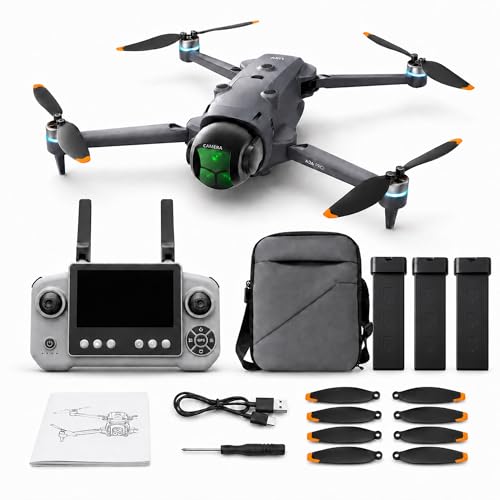
[4.5-Inch Screen Remote, No Phone Needed] Fly and view real-time footage directly from the built-in 4.5-inch screen remote. No phone connection is required for basic FPV viewing, making the A26 PRO easier to set up, easier to share, and more convenient for outdoor flying.
Configuring RTH Failsafe Settings
Configuring RTH failsafe settings plays a crucial role in ensuring the drone returns safely to its designated Home Point, especially in unpredictable situations. Key aspects include:
- Adjusting Altitude: It’s essential to set a preset RTH altitude higher than obstacles, ideally around 100 meters, unless in urban areas. If the drone is below this altitude during failsafe, it will ascend before heading home—think of it as a safety parachute!
- Verifying Home Point: A strong GPS signal (minimum ~10 satellites) is needed to accurately record the Home Point. Before takeoff, ensuring this location is correct can prevent your drone from starting on an unexpected adventure. Additionally, understanding the importance of built-in GPS can enhance navigation capabilities during emergencies.
Recommended Products

𝐘𝐨𝐮𝐫 𝟏𝐬𝐭 𝐃𝐈𝐘 𝐃𝐫𝐨𝐧𝐞 - F450 is the best DIY quadcopter drone for both beginners to learn the basics and experts to conduct research or secondary development.

100% brand new original replacement repairing parts specifically for DJI Air 2S quadcopter.

Limitations of RTH Failsafe Systems
While RTH failsafe systems are designed to bring drones back safely, they are not without their limitations. Key challenges include:
- Signal Interference: Weak telemetry can lead to delayed activation, forcing uncertain drone navigation. If GPS or compass errors occur, the failsafe may revert to unpredictable actions like autoland.
- Environmental Factors: Complex environments can complicate RTH protocols. For example, trees or buildings can obstruct signal and heighten collision risks during ascents to RTH flight altitude.
- Battery Management: Low battery levels can force an early return, possibly landing the drone in hazardous areas. Inadequate power reserves may prevent a successful navigation back home.
Enhancing RTH Performance With Maintenance
To enhance the performance of Return-to-Home (RTH) systems, diligent maintenance is key, as it serves not just to keep drones airborne, but also assures safe and reliable operations. Regular adherence to maintenance checklists is essential. Confirm firmware updates are installed to fix bugs that may hinder RTH functionality. Additionally, practical performance trials, like simulating signal loss, can spotlight vulnerabilities.
Key areas to inspect include:
- Battery health: Check for swelling or damage.
- Sensor accuracy: Recalibrate GPS and compass following updates.
- Hardware integrity: Look for loose components or cracked frames.
Finally, maintain detailed logs of inspections—these records can help troubleshoot issues, assuring smooth sailing when the unexpected occurs.
Recommended Products

Muti-functional RC Tool Set: This highly integrated tool kit includes almost everything you need in the field, especially for fpv drone pilots.

[23PCS Tool Kit Set] : RC hobby tools include:hex screwdriver set (0.9mm 1.3mm 1.5mm 2.0mm 2.5mm 3.0mm), phillips driver (3.0mm 4.0mm), slot drivers (3.0mm 4.0mm),Hexagon Sleeve Wrench(4mm/5.5mm/7mm/8mm) Nipper pliers,Diagonal Pliers,Hole Puncher Reamer,RC Bearing Disassembly Tool,Screws Pallet with Magnetic Pad,Scissors,Shunting ruler,Soldering Stations

Work for DJI Drones, like Flip, NEO, Avata, Avata 2, FPV drone, Mavic Air 3, Air 3S, Mavic 3, Mavic 2, Mavic Air 2s, Mini 3 pro, Mini 2, Mini 4K, etc. ideal used for most rc car, rc boat, rc helicopter, rc quadcopter, multi-axis FPV racing drone,hobby Car quadcopter, airplane, helicopter boat models and more
Best Practices for RTH Implementation
Enhancing the reliability of Return-to-Home (RTH) systems sets the stage for implementing best practices that guarantee safe operations during flight.
Key strategies for effective RTH implementation include:
- RTH Etiquette: Always review the RTH protocol before flights; understanding your device’s RTH features is essential.
- Guard Time Configuration: Adjust settings to prevent premature activation during brief signal loss, ideally within 1-1.5 seconds.
- Channel Fallback Options: Utilize the “Hold” setting to maintain stability before engaging RTH.
- RTH Documentation: Maintain detailed notes on RTH setups to secure consistency.
- RTH Troubleshooting: Regularly analyze telemetry data to foresee potential issues in various RTH scenarios.
Recommended Products

【FAA Registration Exempt & Ultra-Portable】Weighing only 245g, FIMI MINI 3 drone requires no FAA or Remote ID registration. Its compact, foldable design makes this mini drone incredibly easy to carry anywhere.

[𝗙𝗔𝗔-𝗖𝗼𝗺𝗽𝗹𝗶𝗮𝗻𝘁 𝗥𝗲𝗺𝗼𝘁𝗲 𝗜𝗗] Enjoy worry-free flights with 𝙞𝙣𝙩𝙚𝙜𝙧𝙖𝙩𝙚𝙙 𝙍𝙚𝙢𝙤𝙩𝙚 𝙄𝘿, ensuring safety and compliance. The Upgrade HS600 GPS drone has completed the FAA requirement. No need extra remote ID module.

【6K Ultra HD + 3-axis Brushless Gimbal】 Adopting a professional imaging system and imported sensors, Bwine 18MP camera drone captures sharp 6K photos and fluent 4K 30fps videos. The 3-axis brushless gimbal raises stability accuracy by 300%, keeping steady in strong winds and high-speed flight. Perfect for extreme outdoor lovers, farm and ranch inspection, it lets you record fine scenery effortlessly.
Frequently Asked Questions
Can I Customize the Home Location After Takeoff?
Yes, pilots can customize the home location after takeoff using adjustable settings in their drone’s software, enhancing flight safety and control. The ability to set a custom home allows for flexibility in dynamic environments.
What Happens if RTH Is Triggered During a High-Speed Flight?
When RTH is triggered during high-speed flight, the drone promptly adjusts its flight path and altitude. This instant reorientation may introduce high-speed risks, particularly if altitude adjustments are inadequate for surrounding obstacles.
How Can I Test the RTH Feature Safely?
To test the RTH feature safely, one should utilize designated test methods and follow safe practices. Conducting trials in open areas, ensuring proper GPS calibration, and maintaining manual control readiness are essential for effective testing.
Does RTH Work in Confined Spaces or Indoors?
RTH functionality struggles considerably in confined spaces or indoors. Limited indoor navigation capabilities lead to miscalculations and heightened risks of collisions with flight obstacles, undermining the reliability of the RTH system in these environments.
Are There Any Legal Limitations on Using RTH?
When the rubber meets the road, legal limitations on using RTH include regulatory considerations and safety protocols mandated by the FAA, ensuring that operators comply with airspace rules while maintaining drone operational safety.