As an Amazon Associate, we earn from qualifying purchases. Some links on this site are affiliate links at no extra cost to you. Our recommendations are based on thorough research and editorial judgment.
Popular RC Sailing Classes and Rules

RC sailing is an engaging mix of engineering and sport, featuring prominent classes like the IOM (1,000 mm) and Marblehead (1,290 mm) boats. Popular options include the DragonForce 65, a compact 650 mm racer that’s perfect for beginners, and the versatile CR 914, measuring 914 mm. The rules, governed by the Racing Rules of Sailing, guarantee fair play and competition. With unique designs and vibrant communities, there’s plenty to discover in this exciting hobby.
Key Takeaways
- Popular RC sailing classes include IOM, Marblehead, TenRater, EC12, and Mini 40, each with unique specifications and design requirements.
- Notable beginner-friendly boats are the DragonForce 65 and Soling 1 Meter, offering affordable and accessible options for new racers.
- RC sailing competitions adhere to the Racing Rules of Sailing 2021-2026, ensuring fair play, including self-regulation and right-of-way rules.
- Regular maintenance, including cleaning and inspections, is essential for the longevity and performance of RC boats, particularly in marine environments.
- Community initiatives promote engagement through social events, diverse sailing configurations, and mentorship opportunities among enthusiasts.
Overview of RC Sailing Classes
RC sailing classes present a thrilling arena for enthusiasts, blending precise engineering with the excitement of competitive racing. Among the notable classes, the International One Meter (IOM) features a compact design of 1000 mm, perfect for manageable racing. In contrast, the Marblehead design spans approximately 1290 mm, showcasing advanced materials for high performance. The TenRater performance dazzles participants with its majestic dimensions and adaptability to wind conditions.
Moreover, the East Coast 12 Metre (EC12) balances aesthetics and practical racing, mimicking the America’s Cup 12 meters. Finally, the Mini 40 innovations, with a maximum length of 1220 mm, push design boundaries, encouraging experimentation and speed. Each class contributes unique qualities to the rich tapestry of RC sailing, enchanting sailors worldwide. Additionally, understanding performance metrics and key features is crucial for choosing the right class to enhance the sailing experience.
DragonForce 65

The DragonForce 65 can be likened to the ideal entry point for aspiring sailors, blending sport with accessibility. Built with a length of 650–655 mm, it boasts a durable ABS plastic hull and an extruded aluminum keel with a zinc alloy ballast bulb, ensuring stability.
New sailors can easily learn essential sailing techniques, while experienced racers can hone their skills in a strict one-design class—every boat is equal, ensuring fair competition. With over 10 tuning adjustments, including rig tension and sail depth, enthusiasts can optimize performance according to conditions. Its rig features adjustable systems like downhauls and halyards, presenting an ideal setup for mastering the art of sailing. At around $200, it’s an affordable gateway into the thrilling world of RC sailing. Additionally, the DragonForce 65 represents a great option for those interested in age appropriateness in RC boating, catering to a wide range of skills and experience levels.
Recommended Products

Immersive 1080P Ultra-Wide FPV Experience: Dual 1920×1080 HD displays deliver sharp details, vivid colors, and smooth visuals. The 50° field of view creates an immersive cockpit-like perspective, bringing more excitement to FPV racing, freestyle, and cinematic flights.

Quality and Resistance: Made of high-toughness ABS in injection-molded simulation ratio, the model restores the realistic ship model with exquisite details, fine workmanship and natural coloration

All product accessories are ready, and users can set sail after assembling them by themselves.
One Meter Class

Starting on the journey of sailing can be both exhilarating and intimidating. The One Meter Class, lovingly known as the Soling 1 Meter, embodies accessibility and fun. Designed primarily for beginners, this one-design class not only attracts novices but also keeps advanced racers engaged.
Recommended Products

【Brushless Watercooled Motor】: Powered by a potent 3554A Brushless Watercooled Motor, with automatic water cooling system, to extend the service life of the ship model.

Brushless RC Racing Boat with Real Water Cooling: Powered by a high-performance brushless motor, this 19" large RC boat reaches speeds up to 40KPH for exciting high-speed action. The advanced real water-cooling system keeps the motor and ESC running cooler for stable performance, smoother acceleration, and longer-lasting durability on lakes, pools & saltwater. NOTICE: MOTOR/PROPELLER ONLY RUNS IN WATER.

Length 400mm, width 100mm, height 672mm, scale 1:30
Class Features:
- Construction Materials: Made from durable, vacuum-formed polystyrene plastic, keeping weight consistent at around 10 lbs.
- Sail Specifications: Only flat single-paneled sails are allowed, crafted from woven polyester cloth, ensuring simplicity and cost-effectiveness.
- Racing Integrity: Strict class rules enhance competitiveness; for example, competitors use a single rig throughout regattas shorter than five days.
With nearly 1,000 boats sailing across the USA, the One Meter Class continuously fosters community and spirited competition. Additionally, participants often use wind-powered sailboats, which adds an exciting challenge to the racing experience.
CR 914

Sailing enthusiasts often find themselves captivated by the CR 914, a remarkable radio-controlled model yacht that perfectly balances sophistication and simplicity.
CR 914 Features
- Length: 914 mm (36 inches)
- Beam: 8 inches; Draft: 9¼ inches
- Sail area: approximately 549–658 square inches
This yacht boasts a one-piece ABS hull with a sleek keel—over 3 pounds of lead ballast guarantees stability during quick maneuvers. With its history rooted in the International America’s Cup Class, the CR 914 embraces strict one-design class rules, promoting fairness in competition. Its design and performance reflect various sailing conditions, making it versatile enough for many enthusiasts.
Whether gliding across a pond in light breezes or tackling gusty conditions, the CR 914 excels. Its versatile nature, popular among both novices and veterans, truly makes it a thrilling choice for enthusiasts nationwide.
Recommended Products

【Bright & Safe】With 783pcs 3W powerful high intensity LED light chips. 60° flood beam and 30° spot beam combo in reflective cups provide a brighter illumination, 6000K bright white light and broader view, increasing safe for your night fishing, night hunting, night ride or any other night activities

【HIGH SPEED RC BOATS WITH BRUSHLESS MOTOR】The water-cooled brushless motor provide more power to the remote controlled boat Vector Lumen S to make waves at 30+MPH and blow other radio controlled boats out of the water! Innovative hull design with low resistance, stable racing and fast speed.

【Bright & Safe】With 320pcs 3W powerful high intensity LED light chips. 60° flood beam and 30° spot beam combo in reflective cups provide a brighter illumination, 6000K bright white light and broader view, increasing safe for your night fishing, night hunting, night ride or any other night activities
T47 Fairharbor Schooner

Enchanting both novice builders and seasoned sailors alike, the T47 Fairharbor Schooner stands as a tribute to maritime tradition in the domain of radio-controlled sailing. This 47-inch long scale model showcases a two-masted rig with four sails, enhancing both sail design and performance.
Assembly Tips:
- The schooner comes as a kit with pre-cut mahogany plywood hull and cedar gunnel rails.
- Builders aged 15 and up can master assembly with marine epoxy and high-quality brass fittings.
The deep keel fin and lead ballast weight provide stability, ensuring it remains virtually uncapsizable. As enthusiasts navigate the waters, they appreciate the authentic sailing experience this model embodies, combining charm with technical prowess in one handsome package. Additionally, wind performance factors such as sail shape and hull design significantly impact its sailing capabilities.
Aquacraft Paradise Sailboat
Amidst the allure of radio-controlled sailing vessels, the Aquacraft Paradise Sailboat emerges as a charming contender, perfect for those who revel in the art of wind-powered navigation. With a sturdy 26-inch hull and a lightweight design of just 3 pounds, this sailboat caters to both beginners and seasoned enthusiasts.
Key Features:
- Durable Construction: Fiberglass hull and deck guarantee longevity, while aluminum components minimize weight.
- Ready-to-Run: Factory-assembled for instant enjoyment; minimal sailing techniques are required.
- Sailboat Maintenance: Requires little upkeep, featuring an efficient keel design that enhances performance on calm waters.
Designed for tranquility on lakes—this beauty invites users to master the winds and explore the serene waters effortlessly. Additionally, its build material and durability play a crucial role in ensuring a long-lasting sailing experience.
Canterbury J
When considering radio-controlled sailing crafts, the Canterbury J stands out as a remarkable option, especially for enthusiasts hailing from diverse backgrounds. This 1.22-metre (48-inch) yacht, with a total weight of about 14 lbs 5 oz (6.53 kg), boasts solid Canterbury J specifications, including an all-fiberglass hull and a lead keel made from sanctioned molds.
Advantages of the Canterbury J include:
- Ease of assembly: Sailors can build kits at home.
- Competitive parity: Races tend to finish in close groups, showcasing skill over equipment.
- Versatility in water conditions: Exceptional handling in light winds thanks to its integrated keel and rudder profile.
With over 377 hulls sold globally, the Canterbury J offers community, affordability, and craftsmanship opportunities.
Key Characteristics of RC Sailing Classes
Understanding the key characteristics of radio-controlled (RC) sailing classes reveals a diverse world where sailors can truly express their skills and creativity.
- Hull Specifications: Classes are defined by hull lengths, typically under 30 inches, around one meter, or up to 2 meters. The One Meter (IOM) class shines with customizable rig sizes.
- Customization Options: Some classes, like IOM, allow significant owner modifications, while one-design classes prioritize even competition—adhering to strict regulations.
- Materials and Performance: Using materials like carbon fiber enhances racing performance, balancing scale authenticity and stability. For example, the Soling One Meter thrives in winds up to 18 knots.
These classes provide avenues for innovation, allowing true artistry among hobbyists, all while fostering spirited competition on the water.
Common Rules and Regulations
The world of RC sailing is governed by a set of structured rules that guarantee fair and exciting competition on the water. These rules, outlined in the Racing Rules of Sailing 2021-2026, dictate essential race conduct.
Key points include:
- Notice of Race: Each competitor receives the notice before the race—ensuring informed participation.
- Right-of-Way: Fundamental rules mirror traditional sailing, like port keeping clear of starboard-tack boats.
- Penalties: Quick self-regulation is encouraged; penalty turns are enforced immediately to maintain fairness.
Additionally, identification of boats is vital, with sail numbers required for proper rule enforcement. Through adherence to these guidelines, participants not only uphold integrity but also enhance the spirited camaraderie intrinsic to the RC sailing community.
Advantages and Disadvantages
In the domain of RC sailing, the appeal of various classes and the dynamic race formats brings both enjoyment and challenges to participants.
Advantages:
- Accessibility: Compact designs like the Dragonforce 65 (DF65) make it easy for newcomers to engage.
- Cost-Effective: With a full setup averaging $500, the financial barrier is lower.
- Frequent Racing: Quick races promote skill building—think 12 races in a day!
- Design Freedom: Classes like Marblehead foster sailing technology innovations.
Disadvantages:
- Durability Concerns: Components like winches typically last only about 12 months under frequent use.
- Skill Gaps: Beginner classes may dilute the competitive spirit.
- Crowded Starts: Short start sequences can create chaotic situations, testing one’s competition strategies.
Recommended Starter Boats
For aspiring sailors enthusiastic to plunge into the exciting world of RC boating, selecting the right starter boat can feel like steering through a challenging regatta. One standout is the DragonForce 65 (DF65) with its 65 cm plastic hull, offering affordable entry and intuitive handling—perfect for beginner experiences.
Other excellent options include:
- T27 Racing Sloop: Compact at 27 inches, this boat’s self-righting design and shallow keel make it great for lakes.
- Aquacraft Paradise Sailboat: A 26-inch model ideal for learning fundamental sailing skills, plus it comes ready-to-run.
Each boat selection emphasizes a balance of size, ease of handling, and robustness, ensuring new sailors enjoy their journey on the water without overwhelming complexity.
Recommended Products
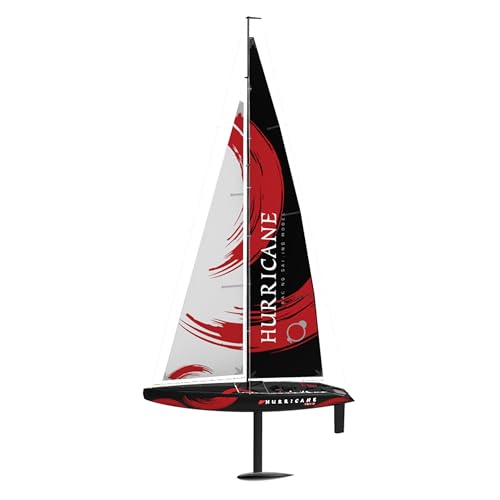
[Professional RC Sailboat] Hurricane is a 1000mm class rc sailboat designed for professional competition or normal sailing. Fully wind powered with 2.4Ghz remote control system, restore the feeling of controlling a real sailboat, big fun to play it with other boats.

【4.3 Inches Full Color IPS Touch Screen】4.3 Inches 800*480 full-color IPS touch screen, fast scroll without lag, which makes RC8X transmitter run smoothly like smartphones, provides you with the freest RC Experience! Besides, the screen can be used for parameter setup and FPV display at the same time when an external 5.8G receiver module is connected, easily realize dual use on one screen.

[Brushless Watercooled Motor] : Powered by a KV1800 Brushless Water-cooled Motor, with automatic water cooling system which allows cooling water to flow directly against the motor for maximum possible heat transfer, to extend the service life of the ship model.
Community and Competitive Environment
- Races utilize various sail types and crew configurations, appealing to diverse preferences.
- Competitive environments are well-structured, featuring committee boats and clear on-water markers for guidance.
Furthermore, community initiatives emphasize diversity and mentorship, enhancing participation and enriching the sailing experience. Through networking and social activities like dinners and meetings, RC sailors create lasting friendships, proving that the love of sailing transcends competition.
Maintenance and Costs
Maintaining an RC sailboat can feel like a rite of passage for passionate enthusiasts, as it transforms chaos into clarity, ensuring ideal performance on the water. Routine maintenance is essential, with key practices including:
- Cleaning: Rinse after each use, especially after saltwater sessions, to prevent corrosion.
- Inspection: Regularly check hull, deck, and fittings for damage.
- Electronics Care: Keep components dry to avoid moisture failure.
Investing in quality batteries, such as NiMH rechargeable packs, promotes cost efficiency and longevity. Additionally, lubricating moving parts and storing boats in cool, dry environments prevents costly repairs. While initial expenses can vary based on model complexity, adhering to maintenance schedules will extend a boat’s lifespan, making sailing more enjoyable and less financially burdensome.
Recommended Products
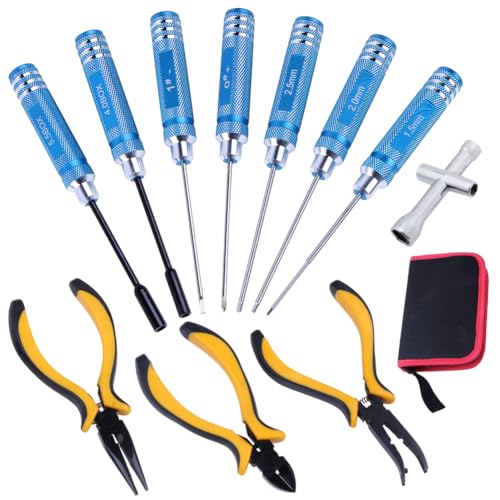
✔A Must Have for R/C Enthusiasts,Include:Hex Screwdriver(1.5mm 2.0mm 2.5mm) Box Spanner(4.0mm 5.5mm)/0#+ Phillips Screwdriver/1#- Slot Screwdriver/ Needle-nose Pliers/Diagonal Pliers/Ball Link Pliers/Hexagon Sleeve Wrench (4mm/5mm/5.5mm/7mm)

Superior brightness: Each light is equipped with 6PCS high-intensity 2835 SMD LED, stable output of 120LM light for perfect marker light.

Smooth Forward, Backward & Turning Control: This paddlewheel toy boat features a remote control that allows it to move forward, backward, and make turns, providing endless fun .
Frequently Asked Questions
How Do I Choose the Right RC Sailboat for Me?
Choosing the right RC sailboat resembles selecting a steed; size considerations and performance factors must align with personal goals. Beginners might prefer stable, compact vessels, while experienced sailors may chase speed in sleek, nimble designs.
What Additional Gear Do I Need to Start Sailing?
To start sailing, he needed a gear checklist including personal flotation devices, a first aid kit, navigation tools, weather protection clothing, food, and a communication device to guarantee safety and comfort during outings.
Can I Customize My RC Sailboat Beyond Standard Rules?
Can one truly transform their RC sailboat beyond standard limitations? Customization options are severely restricted; only allowed sailing modifications can enhance performance, ensuring fairness and adherence to one-design principles, preserving the spirit of competitive sailing.
How Can Weather Conditions Affect My Sailing Experience?
Weather conditions greatly affect sailing experiences; variations in wind conditions necessitate timely sail adjustments. Adaptations, such as easing or reefing sails, guarantee maximum performance and control, ultimately enhancing the overall sailing enjoyment and success on the water.
What Is the Average Lifespan of an RC Sailboat?
The average lifespan of an RC sailboat ranges from five to ten years, influenced by maintenance tips and longevity factors. Quality materials and careful handling can extend this duration, while saltwater exposure accelerates wear and tear.