As an Amazon Associate, we earn from qualifying purchases. Some links on this site are affiliate links at no extra cost to you. Our recommendations are based on thorough research and editorial judgment.


Winter Storage And Climate Control

Effective winter storage hinges on precise climate control. Key factors include stable temperatures and humidity levels (30%-50%)—crucial to prevent damage from mold, warping, and brittleness. Items should be packed in sturdy, moisture-resistant boxes, and delicate fabrics stored in breathable bags. Additionally, energy efficiency plays a significant role; simple adjustments can yield substantial savings. Regular monitoring with sensors guarantees early detection of issues. Discovering best practices can elevate storage success and protect cherished belongings from winter’s wrath.
Key Takeaways
- Maintain stable temperatures and humidity levels (30%-50%) to protect items from mold, warping, and damage during winter storage.
- Utilize sturdy, moisture-resistant containers and elevate boxes on pallets to prevent cold spots and condensation issues.
- Conduct regular inspections for mold and ensure proper air circulation by avoiding overpacking and using breathable materials.
- Clean and repair items before storage, using vacuum-sealing for bulk and airtight containers for sensitive materials.
- Implement monitoring systems for temperature and humidity, along with alarms for power outages and leaks, to safeguard stored belongings.
Understanding the Importance of Climate Control in Winter Storage
You may be interested


Climate control is not just a luxury; it is a cornerstone of effective winter storage. Understanding the climate impact on stored items is essential for maintaining their integrity. Seasonal considerations, such as increased humidity, heighten the risk of mold and mildew, which can irreparably damage textiles and paper. A controlled environment mitigates moisture buildup, safeguarding belongings from unpleasant smells and structural deterioration.
Additionally, maintaining stable temperatures prevents freezing cycles that warp or crack materials like wood and leather. By prioritizing climate control, individuals extend the lifespan of their possessions, ensuring their investment is secured against the harsh winter elements. It’s not just protecting items; it’s about preserving memories and maintaining value. Moreover, a controlled environment can also help prevent damages to electronics and other sensitive items, ensuring their functionality and longevity.
Key Conditions for Optimal Storage During Winter

When it comes to winter storage, creating the right conditions can mean the difference between preserving cherished belongings and facing an unwelcome disaster. Key conditions include:
- Moisture Control: Utilize moisture absorbers, like silica gel packs, to tackle dampness. All items must be cleaned and thoroughly dried before storage to prevent mildew.
- Elevation Techniques: Elevate boxes on pallets or shelves, steering clear of ground-level cold spots where moisture lurks. This keeps valuables safe from condensation damage.
To promote air circulation, avoid overpacking and choose breathable containers. Sturdy, moisture-resistant boxes help fend off cold-related harm. Additionally, monitoring conditions and ensuring proper moisture control can prevent potential damage to stored items. With vigilant checks for mold and careful preparations, winter storage can be a breeze—if one goes the extra mile!
How Temperature Fluctuations Affect Stored Items
Temperature fluctuations pose significant risks to stored items, often leading to unintended damage that can range from annoying to catastrophic. The fluctuation effects on materials can be severe, especially with repeated expansion and contraction. For instance:
- Wood and Leather: With heat, they can warp or dry out—making furniture and instruments look sad and unplayable.
- Electronics: They’re like an overheating athlete—overexposure leads to malfunction, risking internal damage.
- Plastics and Rubber: Cold makes them brittle, reducing their usability.
These temperature variances threaten the structural integrity of delicate items, accelerating wear and tear over time. Ultimately, maintaining a stable climate can help safeguard treasures and prevent those pesky, damaging surprises down the line. Additionally, utilizing RC fishing boats can enhance outdoor experiences while protecting essential equipment from harsh weather conditions.
The Role of Humidity Control in Preventing Damage
Humidity control plays an essential role in the preservation of stored items, acting as the unsung hero of a successful winter storage strategy. Maintaining ideal humidity levels—between 30% and 50%—is vital for mold prevention and mitigating humidity damage.
- High humidity environments can lead to:
- Mold and mildew growth, wreaking havoc on textiles and furniture.
- Rusting of metal items and malfunctioning of electronics.
- Low humidity causes:
- Drying and cracking in precious wooden furniture and leather goods. Additionally, ensuring that your items are stored in a durable and stable environment can help prevent damage caused by fluctuations in climate.
Best Practices for Packing Seasonal Items

Packing seasonal items effectively is a game-changer for anyone looking to safeguard their belongings during winter hibernation. Here are some best practices:
Recommended Products

[Maximize Storage Space by 80%] Unlock unparalleled space-saving with our premium vacuum storage bags, meticulously designed to shrink your clothes and bedding items like duvets, pillows, and comforters down to 20% of their original size. Ideal for both room organization and maximizing suitcase space, these bags transform cluttered areas into tidy, spacious zones, making them essential for vacuum seal bags for clothing.

Store away blankets, comforters, clothes, pillows and more at a size reduction
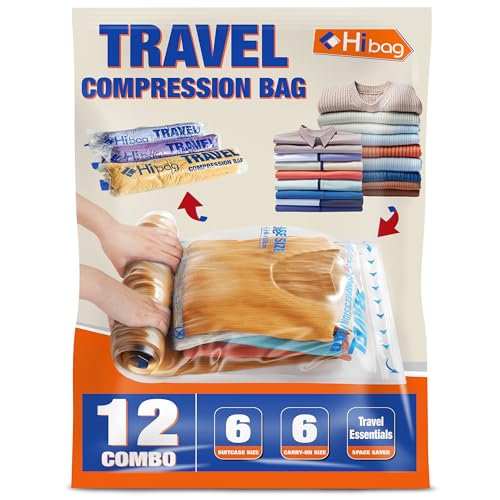
Travel Essentials: the combo includes 12 bags (6 M size & 6 L size), saving up to 80% space no vacuum needed, providing a perfect storage solution for travel and home.
Preparing Items
- Clean and Repair: Wash clothing thoroughly to prevent mold. Fix any damage, and remove batteries from electronics to avoid corrosion.
- Store Gear: Clean sports items and deflate equipment.
Packaging Materials
- Containers: Use airtight plastic bins for packing clothing and breathable bags for delicate fabrics like silk.
- Vacuum-Sealing: Ideal for bulky items but avoid natural fibers.
Packing Techniques
- Fold: Bulky coats should be folded, not hung.
- Group: Keep similar items together.
Always label containers! By following these steps, storing electronics and winter essentials becomes effortless and organized. Additionally, employing vacuum-sealing techniques can help maximize space and protect items from moisture during storage.
Choosing the Right Climate-Controlled Facility
When examining potential facilities, look for:
- High-Quality Insulation: Essential for energy efficiency.
- Robust HVAC Systems: Designed for stable conditions, managing temperatures between 50°F and 80°F while maintaining humidity below 50%.
- Security Features: Video surveillance and controlled access enhances peace of mind.
A well-designed facility combines functionality and aesthetics, making storage both accessible and appealing. Ultimately, these elements guarantee belongings remain protected through the seasons, just like a cozy winter retreat. Additionally, effective climate control is crucial for maintaining optimal temperature and humidity levels, ensuring that items remain in top condition throughout winter storage.
Recommended Products

Intelligent Humidity Control:Equipped with an intelligent constant humidity system and high-precision sensors, it monitors subtle humidity changes in real time and precisely adjusts the humidifier to maintain a stable preset humidity level, fully protecting your collections from moisture damage.

Portable & Flexible: Equipped with smooth-rolling caster wheels, this unit can be placed anywhere you need cooling and easily taken with you when you move—perfect for renters, dorm rooms, and anyone who relocates frequently. It’s ideal for cooling areas that central air can’t reach, delivering fast, targeted spot cooling with immediate results. Great for kitchens, balconies, home offices, garages/attics converted into temporary studios, small studios, small shops, and even camping.

More than 10 times stronger than conventional pegboard
Types of Items That Benefit From Climate-Controlled Storage
Climate-controlled storage serves as a sanctuary for a variety of items, ensuring their longevity and integrity in the face of unpredictable weather. Items that benefit include:
- Electronics: Computers and cameras thrive in stable environments—electronic safety is paramount as moisture and extreme temperatures can cause irreparable damage.
- Artwork: Oil paintings and sculptures require consistent conditions for artwork preservation; fluctuations can lead to fading or warping.
- Furniture: Wood and leather pieces need protection from humidity, preventing unsightly warping or cracking.
- Documents: Important papers risk degradation in high humidity; climate control maintains legibility over time.
Recommended Products
![Gamma2 Vittles Vault Pet Food Storage Containers - Sealed Dog and Cat Food Storage Container, Fits up to 25lbs, Made in the USA - [12"L x 13.75"H]](https://m.media-amazon.com/images/I/41XKsqOw1kL._SL500_.jpg)
Keeps Food Fresh and Flavorful: our Gamma Seal Technology, featuring a threaded locking system and double gaskets, create a controlled moisture balance making it the ideal airtight dog food storage container (suitable for cat food, too)

PRESERVE FRESHNESS AND FLAVOR: This airtight pet food container helps your pet's dry food to stay tasty with its Gamma Seal Technology; It maintains moisture balance to keep food tasty and fresh

PRESERVE FRESHNESS AND FLAVOR: This airtight pet food container helps your pet's dry food to stay tasty with its Gamma Seal Technology; It maintains moisture balance to keep food tasty and fresh
Common Mistakes in Winter Storage
As winter sets in, many people make the assumption that their stored items are safe from the elements, yet neglecting key factors can lead to regrettable mishaps. Here are some common mistakes in winter storage that can be easily avoided:
- Inadequate Moisture Control: Failing to monitor humidity can cause mold and warping. Use dehumidifiers!
- Improper Unit Choice: Opting for non-climate-controlled units risks exposure to freezing temperatures.
- Poor Item Preparation: Not insulating electronics or covering furniture can lead to costly damage.
- Neglected Maintenance: Skipping inspections allows mold and pests to thrive unnoticed.
- Overpacking: Cramming units makes access difficult and can crush fragile items.
Avoid these common pitfalls to execute the best storage tips and guarantee effective winter organization!
How to Prepare Your Items for Climate-Controlled Units
Preparing items for climate-controlled storage can feel like arming a fortress against the elements, and taking the right steps assures these valuable possessions remain safe and sound throughout the winter months. To guarantee proper item preparation, start with thorough cleaning—wipe wood furniture, dry metal items, and launder delicate clothing. Utilize sturdy boxes or airtight containers for packing, and wrap fragile items in bubble wrap.
Storage Guidelines to Follow:
- Disassemble large furniture and securely wrap pieces, labeling them for easy reassembly.
- Organize by category, stacking heavier items at the bottom and keeping essentials accessible.
- Elevate items off the floor to avoid moisture exposure—like placing pallets beneath boxes.
An organized approach goes a long way!
Recommended Products
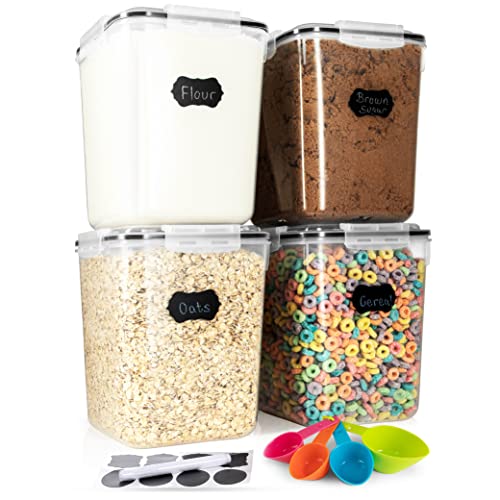
COMPLETE CONTAINER SET: This set comes with 4 premium large rice airtight containers (5.3L/179oz), a 4pc measuring scoop set, a chalkboard marker & 8 reusable labels. With this perfect bundle you will enjoy your organized pantry and perfect kitchen experience.

GASKET BIN: Organize your home and keep clutter-free with the Sterilite 80-quart stackable storage containers with hinged latch clip gasket lids

INTERIOR & EXTERIOR DIMENSIONS – Interior: 14.75"L x 9.62"W x 7"H. Exterior: 17.5"L x 11.8"W x 7.9"H. Please measure your space to ensure the perfect fit.
The Impact of Severe Weather on Storage Facilities
Severe weather poses significant challenges for storage facilities, impacting everything from structural integrity to operational efficiency. Storage tank vulnerabilities are particularly concerning during catastrophic weather events.
- Aboveground storage tanks (ASTs) face threats from hurricanes, flooding, and wildfires, which can compromise their integrity and contaminate stored materials.
- These events demand robust safety measures: tanks must withstand high winds and heavy rains, or they risk catastrophic structural failure.
- Flooding can cause extensive data loss, leading to financial setbacks for small businesses—up to $8,851 per minute during outages!
- Winter weather introduces freeze/thaw cycles, creating settlement issues that further diminish reliability.
To mitigate potential damage, storage facilities must improve design and preparedness—because ignoring severe weather is a gamble they can’t afford.
Maintenance Challenges During Winter Months
Winter months bring a unique set of challenges for the maintenance of storage facilities, adding layers of complexity to an already demanding environment.
- Material Vulnerabilities: The extreme cold renders metals and plastics brittle, heightening the risk of cracks.
- Structural Risks: Ice and snow accumulation can obstruct access and threaten roofs, demanding immediate attention.
- Heating Dilemmas: Increased demand can wear down heating systems, necessitating frequent inspections and repairs.
To mitigate these risks, robust preventative maintenance is essential—like regular inspections and timely snow clearance. Additionally, moisture management becomes critical; low indoor humidity can dry out sensitive goods. Ideal humidity levels should be consistent, preventing condensation and mold. Without proper maintenance strategies, costs can skyrocket, and products may suffer irreversible damage—like a snowman left in the sun!
Energy Efficiency in Climate-Controlled Storage
Climate-controlled storage facilities play an indispensable role in preserving the integrity of sensitive goods, yet they come with hefty energy demands. With refrigeration being the dominant energy cost, it’s vital to adopt energy-saving technologies and efficient insulation practices.
- Refrigeration systems often consume about 25 kWh per square foot annually, a staggering figure.
- Advanced controls help match cooling output to actual needs, avoiding unnecessary energy usage.
- LED lighting can markedly lower auxiliary energy consumption.
Even minor adjustments—raising temperatures by just 1°F—can yield 2-3% savings.
Incorporating on-site solar installations proves beneficial too, with some facilities generating millions of kWh annually, effectively slashing grid dependence and fostering a greener footprint. In this high-stakes environment, efficiency is not just smart; it’s indispensable.
The Value of Regular Monitoring and Alarm Systems
In order to safeguard valuable assets stored in facilities during the frigid months, regular monitoring and effective alarm systems are essential. The benefits of continuous monitoring cannot be overstated—these systems detect early signs of temperature fluctuations, alerting managers before freezing damages occur.
Key advantages include:
- Immediate Notifications: Alarm systems react swiftly to power outages, ensuring rapid response and backup activation.
- Environmental Safety: Water leak and flood sensors provide crucial early warnings, which can save both money and headaches.
- Enhanced Security: With increased crime during winter, integrated alarm systems offer protection against theft and unauthorized access.
Recommended Products

SYSTEM SENSOR 5601P single-circuit, 135¦ f fixed-temp/rate-of-rise no

[Accurate Real-time Monitoring & Multi-Alert System]: Tymate TM7 tpms sensor can be used to monitor your tires’ pressure and temperature data within robust accuracy of ±1.5 PSI or ±3°F (The units can be displayed as ℃ or ℉ & BAR or PSI). Designed with six distinct alarm modes: high/low pressure, fast leakage, high temperature, sensor low battery, and sensor signal lost. This system is a reliable tool for maintaining tire health, and it is especially beneficial for DIY enthusiasts and pre-owned vehicle markets, where constant vigilance on tire conditions is paramount for safety and vehicle longevity

Smart 3-Way Alerts & Remote Temperature Monitoring:Get instant app notifications, email alerts, and buzzer alarms when temperatures exceed your preset range, with 24/7 remote monitoring for complete protection.
Educating Renters About Proper Storage Techniques
Renters often face the intimidating challenge of safeguarding their belongings during the colder months—when temperatures can drop to bone-chilling lows. To guarantee storage unit safety, renters should consider a winter storage checklist that includes:
- Identifying Vulnerable Items: Electronics, antiques, and musical instruments need climate control to prevent damage.
- Proper Packing Techniques: Use bubble wrap and blankets for fragile items, but avoid plastic on wood—condensation could ruin it.
- Moisture Management: Incorporate silica gel or charcoal to regulate humidity levels.
- Organization: Place frequently accessed items near the front of the unit for easy retrieval.
Making the Most of Your Winter Storage Experience
As winter’s chill begins to settle in, ensuring that belongings are stored safely can transform a challenging task into a streamlined experience. Proper preparation of seasonal items is essential. Here are some effective storage solutions:
- Equipment Protection: Remove batteries and insulate machinery with waterproof tarps. Even robust outdoor equipment needs winter wear!
- Environment Matters: Indoor storage is best for sensitive machinery—outdoors may invite weather damage.
- Fluid Care: Top off engine fluids and use fuel stabilizers; think of it as a warm winter coat for engines.
- Maintenance Check: Inspect tires, clean residues, and apply rust inhibitors to keep everything in prime shape.
These steps can elevate winter storage from mundane to masterful, ensuring items emerge in peak condition come spring.
Frequently Asked Questions
How Do I Choose Between Climate-Controlled and Non-Climate-Controlled Storage?
Choosing between climate-controlled and non-climate-controlled storage involves a cost comparison and evaluating climate benefits. Sensitive items requiring stable conditions need climate control, while durable goods may thrive in non-climate environments, resulting in significant savings.
Can I Store Food Items in Climate-Controlled Units?
A well-tended garden symbolizes safety for food storage. In climate-controlled units, temperature regulation fosters ideal food preservation, ensuring longevity and quality while safeguarding against spoilage, pests, and contamination within a nurturing environment.
What Size Climate-Controlled Unit Do I Need for My Items?
To determine the appropriate climate-controlled unit size, one must consider item types and their volume. Small items typically fit in 5’x5′ units, while larger items might require 10’x10′ or even 10’x20′ units for adequate storage.
Are There Special Packing Materials Recommended for Climate-Controlled Storage?
Like a fortress protecting treasures, special packing materials enhance climate-controlled storage. Recommended supplies include sturdy boxes, plastic bins, and moisture absorbers to safeguard belongings against humidity and damage, ensuring items remain pristine during storage.
How Often Should I Visit My Storage Unit During Winter?
Individuals should visit their storage unit every 3 to 6 months during winter for maximum item protection. Regular visits guarantee item security and address potential issues related to moisture, temperature fluctuation, and exposure to harsh winter conditions.