As an Amazon Associate, we earn from qualifying purchases. Some links on this site are affiliate links at no extra cost to you. Our recommendations are based on thorough research and editorial judgment.

Insurance And Permits For Public Displays

Organizing a public display requires steering through a maze of insurance and permits. Primarily, public liability insurance protects against injuries and damages, with limits starting at $1 million per occurrence. Worker’s compensation is mandatory for employees. Next, local authorities need permits submitted 10-45 days before the event. If you’re considering fireworks, additional coverage and specific permits are essential, especially for environmental compliance. Mastering these details can make or break your event—keep exploring for deeper insights and tips!
Key Takeaways
- Obtain public liability insurance with coverage of at least $1 million per occurrence to protect against bodily injury and property damage during events.
- Submit permit applications to local authorities 10 to 45 days before the event, adhering to specific deadlines and requirements.
- Ensure worker’s compensation insurance is in place to cover work-related injuries for all participating workers at the event.
- Conduct thorough risk assessments to identify and mitigate potential hazards, ensuring clear contractual obligations among all parties involved.
- Maintain accessible documentation, including Certificates of Insurance (COIs), and verify that all insurance policies meet coverage requirements before the event.
Understanding Insurance Requirements for Public Displays

You may be interested
How does one navigate the intricate maze of insurance requirements for public displays? Understanding the various insurance types is essential. Public liability insurance is a must, covering bodily injury and property damage; it often demands coverage limits of at least $1 million per occurrence. For risky events, like school displays, $5 million or more is wise.
Additionally, commercial general liability insurance should encompass endorsements for local authorities involved. Worker’s compensation insurance is mandated for all participating workers—safety first! For displays utilizing pyrotechnics, HazMat transportation insurance compliant with DOT standards is frequently required. Finally, it’s important to know that many policies need to cover negligence by everyone involved to guarantee thorough protection for the event. Furthermore, organizers should consider user-friendly design in their safety protocols to facilitate smooth operations.
Recommended Products

Life insurance clothes that says: I don't sell life insurance, I educate and protect families.

Used Book in Good Condition
Essential Permits and Licensing Obligations

Organizing a public display can feel like maneuvering through a bustling marketplace, where each stall represents a different permit or requirement waiting to be explored. The essential permits and licensing obligations can be intricate yet crucial.
- Permit Application: Must be submitted using an approved form to the local authority, with deadlines ranging from 10 to 45 days before the event.
- Types of Permits: Options include single public display permits and agricultural permits, each with specific purposes and limitations.
- Licensing Qualifications: For specialized displays, applicants must meet various experience and age criteria, often verified by documentation.
Ensuring all necessary permits and licenses are obtained not only fulfills legal responsibilities but also sets the stage for a successful event. Additionally, understanding GPS navigation can enhance the operational efficiency of events involving outdoor displays.
Liability and Risk Management Considerations

When planning a public display, the spectrum of liability and risk management considerations can loom large, as unanticipated mishaps are always just around the corner. Organizers must tackle various risks, including potential slips, trips, and falls around exhibit areas that can lead to substantial injury claims. A thorough risk assessment is essential in identifying and mitigating these hazards.
Clear contractual obligations among all parties—event planners, vendors, and venues—can help define responsibilities and limit liabilities. Proper insurance coverage, such as Commercial General Liability, acts as a safety net, safeguarding against property damage or third-party claims. Consequently, successful public displays require meticulous planning to navigate this intricate web of responsibilities and potential exposures—protecting both attendees and organizers alike. Additionally, understanding how to manage self-righting capabilities can enhance safety measures in the event of unforeseen circumstances.
Key Insurance Policy Conditions and Clauses

Recommended Products


(CMS 1500) Health Insurance Claim Form, Laser / Ink-JetFormat
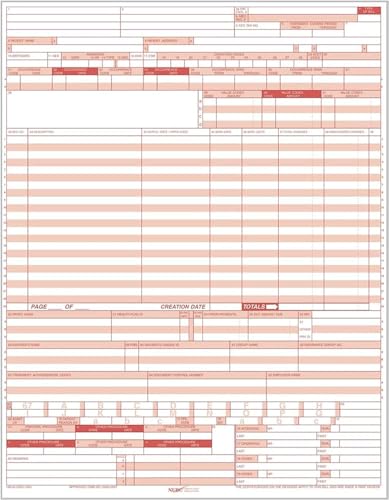
(CMS 1450) Health Insurance Claim Form, Laser / Ink-JetFormat
Named Insureds and Additional Insureds
Policies must list named insureds clearly, guaranteeing that the event organizer or venue is included as an additional insured. This safeguards against unforeseen liabilities stemming from exhibitor actions.
Policy Exclusions
On the flip side, policy exclusions can leave gaps in coverage for unanticipated risks—think intentional acts or pollution. Awareness of these exclusions is vital; they’re typically laid out in the fine print.
Compliance
Policies may even require a Certificate of Insurance (COI) verifying compliance with coverage limits—failure to provide this can mean no event access. Consequently, comprehending these clauses not only guarantees compliance but also promotes a smoother, safer public display experience. When planning events, it’s crucial to ensure safety features are in place to mitigate risks effectively.
Coverage Recommendations for Fireworks Displays

Fireworks displays can be dazzling events that light up the sky, but they also come with significant responsibilities, especially regarding insurance coverage. Organizers must consider several coverage types for their displays, including:
- General Liability: Recommended limits are $1,000,000 per occurrence and $3,000,000 aggregate, increasing for larger events.
- Vendor Insurance: It is essential for the fireworks vendor to provide a certificate demonstrating adequate coverage, ideally naming the organizer as an additional insured.
- Personal Liability: Protects against injuries or damages resulting from the display.
- Event Cancellation: Shields against unexpected weather or vendor failures.
Additionally, organizers can enhance safety and enjoyment by ensuring that all equipment used for the event has adequate insurance coverage, similar to how RC boats need to protect their electronics from damage.
Ultimately, adequate coverage not only safeguards event hosts but also enhances the overall safety and enjoyment of the audience.
Legal and Regulatory Framework for Public Events
Maneuvering through the legal and regulatory framework for public events can feel like traversing a complex maze, particularly as organizers strive to balance creativity with compliance.
Event safety is paramount, and understanding regulatory challenges is essential. Events are classified by hazard levels:
- Class I (Low Hazard): Minimal risk, no insurance for gatherings under 75.
- Class II (Moderate Hazard): Limited activities, like dances and rallies.
- Class III (High Hazard): Major activities, such as marathons.
- Class IV (Severe Hazard): High-risk events, including concerts and races.
Insurance requirements typically scale with hazard levels. Permits often demand insurance certificates; local authorities evaluate risk levels before granting approvals. This bureaucratic dance guarantees participant safety while protecting the community from liabilities—after all, a smooth event means everyone goes home happy! Moreover, understanding age recommendations for participants might influence insurance considerations for specific events.
Importance of Naming Additional Insureds
Frequently, public event organizers overlook the importance of naming additional insureds in their insurance policies, leading to potential financial pitfalls. This practice is crucial for managing liability exposure, especially when venue owners, contractors, or sponsors face claims stemming from the event.
Key Points:
- Shared Coverage: Naming additional insureds dilutes coverage limits, which can lead to reduced protection for the named insured.
- Contractual Requirements: Many contracts mandate this to mitigate risk effectively and promote trust among collaborating parties.
- Limited Scope: Additional insureds are only covered for claims related to the named insured’s negligence, exposing them to gaps in protection.
In essence, overlooking additional insureds can be akin to steering through a maze without a map—disorienting and risky.
Compliance With Environmental Cancellation Criteria
When organizing public displays, compliance with environmental cancellation criteria becomes an essential consideration, as ignoring it can lead to significant repercussions.
Failure to adhere to environmental compliance can result in permit termination—an unsettling reality for event organizers. Permits govern not just the grandeur of explosions or spectacle but the preservation of our environment too. Key factors include:
- Pollutant Discharge: Noncompliance with discharge limits can mean trouble.
- Permitting Processes: Properly submitting Notices of Intent (NOIs) is vital.
- CEQA Reviews: Environmental impacts must be assessed to avoid denying permitting requests.
Ignoring these standards not only threatens the event’s success but poses serious risks to local ecosystems and community health. As a result, vigilance and adherence to regulation can safeguard both the event and the environment for future generations.
Best Practices for Documenting Insurance Coverage
Best practices for documenting insurance coverage play an essential role in the seamless execution of public displays. To effectively protect all parties, organizers should adopt clear documentation strategies, including:
- Organized Filing: Maintain easily accessible copies of all insurance documents, such as the Certificate of Insurance (COI).
- Timely Submission: Submit COIs at least 30 days prior to the event to avoid permit denial.
- Accurate Details: Verify the COI lists the hosting entity as additional insured and includes correct policy limits.
- Verification Practices: Regularly confirm the policy’s coverage limits and effective dates, preventing gaps in protection.
Exploring Alternatives to Traditional Fireworks Displays
As municipalities grapple with the environmental and safety concerns associated with traditional fireworks displays, many are turning to innovative alternatives that provide both spectacle and sustainability.
Drones and Lasers: The New Stars
- Drone advantages lie in their ability to reduce air pollution and noise, with costs ranging from $15,000 to $100,000, making them a versatile choice.
- Laser displays offer vivid visuals without wildfire risk or harmful emissions—ideal for eco-friendly alternatives.
- Cities like Pasadena and Cocoa Beach showcase these options, balancing aesthetic appeal with environmental responsibility.
Other Creative Solutions
- Low-noise fireworks keep wildlife calm, while biodegradable varieties minimize post-event pollution.
- Even balloons filled with non-toxic paint or glow sticks can bring joy without the risks associated with traditional pyrotechnics.
The future of public celebrations is brighter—and quieter—than ever!
Recommended Products

Mini Body and Super Bright: The mini strobe light only weights 6g/0.2oz. The light beads used are super bright RGB SMD5050 LED light beads, Whether it is rainy or foggy, ultra-long-distance visibility.

【Two Colors】The color is red (2) + green (2), a set of four. The LED night flight make flight safer and more reliable,When fly the drone at night, it is playing the role of night identification and increase the fun of night flying

2ND GEN UPGRADED WIRELESS LED LIGHTS: New version with 4 leds each. Type-C port for universal connectivity. Our LED wireless strobe lights equipped with a remote control that allows you to easily change colors and modes within 7 meters and has a memory function. For first time use: Charge the light for 5 seconds, unplug the light and press and hold the [on] button, the light will turn on to indicate successful activation
Frequently Asked Questions
How Do I Obtain Required Permits for a Public Fireworks Display?
To obtain required permits for a public fireworks display, one must adhere to local regulations, submitting applications to the appropriate authority, ensuring compliance with fireworks safety standards, and providing necessary documentation and fees.
What Types of Events Need Public Display Insurance?
In a world where mishaps lurk around every corner, event types like trade shows, street fairs, and weddings urgently demand public display insurance. Coverage options encompass liability protection, ensuring peace of mind for all involved.
Can I Use Drones for Fireworks Displays?
Utilizing drones for fireworks displays is feasible, provided operators comply with drone regulations and fireworks safety requirements. This includes maintaining waivers, operating within altitude limits, and ensuring controlled areas for audience safety during the performance.
What Happens if My Event Is Canceled Due to Weather?
When tempestuous skies force an event’s cancellation, organizers must explore event rescheduling options, ensuring compliance with inclement weather policies. Adapting swiftly can transform disappointment into another opportunity for vibrant celebration beneath clearer, brighter skies.
Are There Specific Insurance Providers Specializing in Public Display Coverage?
Yes, specialized insurance providers like Hiscox, The Hartford, and K&K Insurance offer tailored policy options for public display coverage, including liability, property damage, and equipment protection, ensuring thorough risk management for event organizers.