As an Amazon Associate, we earn from qualifying purchases. Some links on this site are affiliate links at no extra cost to you. Our recommendations are based on thorough research and editorial judgment.


Modular Hull Transport Solutions

Modular hull transport solutions utilize specialized gear—for instance, flatbed trailers, lowboys, and cranes—to move oversized components safely. Route planning is essential, ensuring minimum widths of 3.5 meters, expanding to 7.2 meters near tight turns. Heavy-duty straps maintain load stability while pre-transport surveys identify hazards. These solutions are not only cost-effective but also promote sustainability by reducing carbon footprints. Explore how advanced logistics and innovative technologies further enhance the efficiency of these transport systems.
Key Takeaways
- Specialized flatbed and extendable trailers are essential for effectively transporting oversized modular hulls without disassembly.
- Advanced logistics strategies, including route surveys and staggered convoys, optimize transport efficiency and compliance with regulations.
- Self-propelled modular transporters enhance loading/unloading processes, reducing risks in tight spaces while improving overall safety.
- Sustainability is achieved by minimizing fuel usage and carbon emissions through optimized transport logistics and modular construction practices.
- Circular economy principles encourage resource conservation and waste minimization in modular hull construction and transport.
Specialized Equipment for Modular Transport
When it comes to transporting modular units, the importance of specialized equipment cannot be overstated. Reliable modular trailer configurations enable the transport of oversized components, ensuring stability and compliance with road regulations.
- Flatbed trailers: Equipped with reinforced frames and tie-down points.
- Lowboy and step deck trailers: Offer versatility for height and weight challenges.
- Extendable trailers: Perfect for long modules, avoiding disassembly.
Additionally, a variety of lifting equipment types, such as cranes with capacities up to 200 tons and self-propelled modular transporters (SPMTs), enhance the loading and unloading process. These advanced technologies not only provide mobility but also protect the integrity of valuable modular structures— a vital consideration in ensuring project success and minimizing delays. The use of user-friendly features can also facilitate the transport process, making it easier for operators to manage complex loads efficiently.
Recommended Products

Heavy-Duty Performance: Effortlessly move trailers up to 7500 lb with 1100 lb tongue weight, making this electric trailer dolly perfect for RVs, boats, and utility trailers. Ideal for commercial and personal use.

Super-Duty Capability: Tows up to 7500lbs max trailer weight, with a dedicated 5500lbs for boats and 1100lbs tongue weight, perfect for RVs, toy haulers, campers, and more.
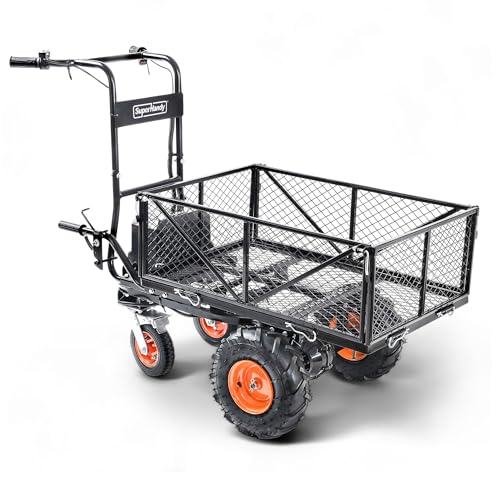
SPECS - This Utility Wagon Cart Wheelbarrow is a 48V Li-Ion All Electric Brushless motor system, powered by one or two 2Ah/4Ah Rechargeable Lithium-Ion Batteries and has the power/ability to haul loads at a Max 15° degree Upward Slope; A Max Working Load Capacity of 660 lbs (230kgs) / Hauling Capacity of 1000 lbs (460kgs) and 6 cu.ft of Cubage to load
Route Planning and Regulatory Compliance
Key considerations include:
- Load Width: Routes must accommodate trailers, requiring a minimum road width of 3.5 meters; this expands to about 7.2 meters near sharp turns.
- Permit Applications: These must be completed for each jurisdiction and can be monitored online, ensuring timely approval and avoiding costly delays. Additionally, considering the need for safety features during transport can enhance the overall reliability of the journey.
Thoughtful planning can transform potential headaches into smooth sailing.
Recommended Products

48In.L x 25in.D x 27In.H cargo box outside dimensions; 46 1/2 inch x 24 inch x 25 inch inside cube for square object fit

VERSATILITY - The Jack-It mounts over the tongue jack and attaches directly to you A-Frame trailer.Fit Type: Universal Fit

Strap Width: 4" | Strap Length: 30' | Color: Red
Safety Protocols and Risk Management

Ensuring the safe transport of modular hulls extends beyond logistical planning—it requires an all-encompassing approach to safety protocols and risk management. This includes:
- Load Stability: Heavy-duty straps and balanced weight distribution are essential in preventing movement during transit. Regular pre-trip inspections safeguard against hazards.
- Worker Safety: Using cranes in spacious areas minimizes injury risks, and trained personnel maintain safe distances during hoisting.
- Risk Assessment: Pre-transport surveys identify potential road hazards while specialized protocols prepare teams for emergencies, such as load shifting or structural damage.
- Environmental Considerations: Protective measures like waterproof films mitigate weather-related risks, ensuring that modular units arrive in pristine condition. Additionally, incorporating capability for recovery systems ensures that any unexpected shifts during transportation are manageable.
Incorporating these strategies cultivates a culture of safety throughout the entire transport process.
Logistics Coordination Strategies

Logistics coordination for modular hull transport hums with a symphony of precision, weaving together numerous threads of planning, communication, and execution. Effective strategies encompass several key areas:
- Advanced Planning: Establish timelines that align transport with project milestones, reducing costs and delays.
- Route Management: Conduct thorough surveys to secure special permits, ensuring safe passage for oversized units.
- Real-time Communication: Leverage technology like GPS tracking for logistics optimization, providing updates to all stakeholders.
- Multi-Shipment Coordination: Implement staggered convoys to prevent bottlenecks, maintaining smooth project synchronization.
Through consistent collaboration amongst teams and transparent reporting, challenges can be swiftly addressed, ensuring that each modular hull journeys safely and efficiently to its destination—much like a synchronized dance of heavy machinery on highways. Additionally, incorporating effective battery life management strategies can further enhance operational efficiency during long-distance transports.
Recommended Products

COMPACT EVERYDAY TRACKING – For owners comparing the best hidden gps tracker for car and other everyday valuables, Tracki Universal keeps tracking small and flexible at about 1.77 x 1.46 x 0.55 inches and 1.26 oz, with clip options for cars, bags, luggage, or assets.

[No Subscription] No Monthly Fees! We are the only company that offers a car GPS tracker with with no subscriptions, activation or hidden fees ever

【NO MONTHLY FEES & DATA PLAN INCLUDED】 Say goodbye to monthly subscription bills.TuTrackAI OBD-II GPS Tracker for vehicles includes a built-in 4G LTE SIM card and data plan, No monthly fees, no activation fees, no extra data charges, and no hidden subscription costs. Simply plug it into your vehicle’s OBD-II port and start tracking—ideal for family vehicles, personal cars, logistics fleets, rental cars, and small business fleets.
Advantages of Using Modular Hull Transport

Modular hull transport offers a transformative approach to moving oversized cargo, elevating safety and efficiency to new heights. With enhanced flexibility, these systems can be configured to adapt swiftly to different load types, drastically reducing downtime.
Key advantages include:
- Cost Efficiency: Specialized workers operate from controlled environments—lowering labor costs and enhancing productivity.
- Safety First: Custom designs prevent load shifting, while professional training guarantees a secure process.
- Streamlined Operations: Advanced hydraulic systems enhance loading and unloading times, enabling quicker transit.
- Reduced Risks: Using self-propelled transporters in tight spaces minimizes hazardous maneuvers. Additionally, implementing waterproof features can further protect sensitive cargo during transport.
Industry Trends in Modular Transport Solutions
With the landscape of cargo transportation continually evolving, modern industries are witnessing a surge in new trends that redefine how oversized loads are moved. Key drivers include the rapid urbanization and the need for urban integration, pushing for efficient modular hull solutions in busy city environments.
Growing Demand:
- Modular systems reduce road congestion through off-site fabrication, enabling quick assembly on-site.
- Collaborations enhance hybrid solutions, combining modular transport with traditional machinery to tackle logistical challenges.
- The rise of Dumas RC boats illustrates the appeal of combining craftsmanship with functionality in transport solutions.
Sustainability Focus:
– An increasing emphasis on green practices, supported by regulatory incentives, promotes electric and hybrid powertrains.
The global market for modular transport solutions is set to expand, influenced by rising urban projects and the quest for improved supply chain coordination.
Innovations in Transport Technology
As the transportation sector evolves, innovative technologies are reshaping how goods are moved, promising a future where efficiency and sustainability go hand in hand.
Key advancements include:
- Energy-Efficient Hull Technologies: AirHull reduces energy consumption for planing boats, allowing an 8m vessel to cruise over 35 nautical miles at 20 knots, showcasing a significant leap toward sustainability.
- AI and Data Integration: With smart logistics, AI optimizes modular transport, offering real-time monitoring and predictive analytics that enhance route planning and minimize delays.
- Innovative Hull Designs: The ULSTEIN X-BOW® enhances hydrodynamics and passenger comfort, ensuring smoother operations in challenging conditions.
These innovations not only underscore digital transformation but also pave the way for a greener and more efficient transport future.
Recommended Products

【Designed Specifically for Trolling Motors】The BtrPower 36V 50Ah LiFePO4 battery is designed specifically for trolling motors with a thrust of 100–120 pounds, making it an ideal choice for brands such as Minn Kota, Newport Vessel, and PEXMOR. It delivers a stable 50A continuous discharge current and supports a 60A discharge for 30 minutes during peak demand, providing a reliable 1920Wh capacity to meet the needs of all-day fishing and boating.

【2-Stroke 18HP Outboard Motor】Water cooling technology improves the reliability of the whole machine. Convenient Use and Easy Operation, Travel Safer, More Reliable, More Corrosion Resistant, More Beautiful, More Durable, More Energy Efficient, More Environmentally Friendly.

【Premium Marine Safety & Compliance】meets ABYC E-13 standards for marine use. Features triple BMS (Battery Management System)protection (dust, water, salt spray) along with safeguards against overcharge, overheating, and short circuits—ideal for 12V to 36V marine motors.
Environmental Considerations in Modular Transport
The environmental considerations associated with modern transport solutions play a pivotal role in shaping sustainable practices within the industry. Modular transport solutions markedly reduce waste, with construction waste dropping from about 30% to less than 2%. This efficiency is possible through:
- Off-site manufacturing, which controls material usage effectively.
- Enhanced recyclability of materials, allowing better sorting instead of landfill disposal.
Moreover, energy consumption is reduced during both construction and transport, lowering the carbon footprint substantially. Factory settings help design energy-efficient structures, while optimized logistics minimize transport trips, considerably cutting fuel use. Finally, modular systems emphasize the reuse of building components, fostering a circular economy and enhancing sustainability. By prioritizing these innovations, the industry not only conserves resources but also mitigates its environmental impact.
Frequently Asked Questions
What Types of Modular Units Can Be Transported?
A variety of modular units can be transported, including container types such as prefabricated building sections, large infrastructure components, and specialized industrial assemblies. Modular designs enhance transport efficiency and assembly, making logistics more manageable across diverse industries.
How Do You Ensure Module Protection During Transport?
To safeguard modules during transport, robust protection measures like weatherproof wrapping and secure load fastening are essential. Prioritizing transport safety through meticulous inspections and proper equipment guarantees the integrity of the modules throughout their journey.
What Are the Typical Transport Timelines for Modular Hulls?
Typical transport timelines for modular hulls vary, with transport duration influenced by factors like route planning, regulatory approvals, and specialized equipment readiness. Delivery schedules are often impacted by handling complexity and coordination among multiple logistics phases.
Can Modular Units Be Shipped Internationally?
Yes, modular units can be shipped internationally. Successful transport hinges on compliance with international regulations and meticulous shipping logistics, including precise measurements, robust packaging, and coordinated documentation, ensuring safe and timely delivery across borders.
What Are the Costs Associated With Modular Hull Transport?
The costs associated with modular hull transport can be overwhelming; cost analysis reveals various pricing factors including labor, permits, specialized equipment, fuel consumption, and fluctuating freight rates, all contributing to substantial transport expenses.