As an Amazon Associate, we earn from qualifying purchases. Some links on this site are affiliate links at no extra cost to you. Our recommendations are based on thorough research and editorial judgment.


Best Camera Mounts for RC Speed Footage

For outstanding RC speed footage, select camera mounts that prioritize stability and lightweight materials. Adhesive and magnetic mounts shine here—flexible designs guarantee a snug fit without added bulk. Choose carbon fiber for durability; it’s strong yet lightweight. Incorporate vibration isolation techniques to minimize jitters at high speeds. Also, consider angle-adjustable mounts for diverse filming perspectives. Trust these setups to deliver crisp, clear visuals that bring adrenaline to life—more on optimizing your camera choices awaits.
Key Takeaways
- Choose lightweight materials like carbon fiber or plastics to enhance stability and prevent added bulk during high-speed filming with RC vehicles.
- Utilize vibration isolation techniques, such as foam rubber or silicone tubing, to minimize jitter and improve footage clarity in motion.
- Opt for screw-threaded lens mounts for firm securing of cameras, ensuring sharp images at high speeds without compromising stability.
- Consider adjustable mounts for quick angle changes, allowing flexibility to capture various perspectives and adapt setups for different camera types.
- Implement strong adhesive or magnetic mounts for secure attachment that withstands high-speed movement and ensures smooth footage capture.
Overview of Camera Types for RC Speed Footage
When it comes to capturing breathtaking footage of RC speed action, the choice of camera can make all the difference. Various camera types each offer unique advantages for RC vehicles:
- FPV Cameras: These provide high-quality, low-latency video, essential for real-time piloting.
- Micro FPV Cameras: Lightweight options, like the DJI O4 Air Unit (Lite), are ideal for small RC vehicles but may compromise on image quality.
- Action Cameras: Models like GoPro deliver wide fields of view and rugged durability—perfect for high-speed thrills.
- Analog FPV Cameras: Great for real-time viewing, they prioritize low latency.
- DSLR/Mirrorless Cameras: Aimed at professionals, these offer stunning imagery but require stabilization due to their weight.
Choosing the right camera type can enhance every moment of RC speed footage. Additionally, the importance of speed is reflected in the type of camera needed, as high-speed models benefit from more responsive and efficient recording systems.
Essential Mount Types for Optimal Performance

Capturing high-octane footage from RC vehicles demands not only an excellent camera but also the right mount to support it. For ideal performance, various mount types are essential:
- Screw-Threaded Lens Mounts: C-mounts (1″ diameter, 32 threads per inch) and CS-mounts (shorter flange-back distance) provide mechanical stability crucial for sharp images at speed.
- Plastic Cradles: Perfect for securing small action cameras, these mounts guarantee your camera stays put amidst intense motion.
- Vibration Isolation Techniques: Using foam rubber discs or shock-absorbing mounts greatly reduces jitter and enhances footage clarity. Additionally, ensuring the durability of the mount is vital for marine conditions, especially when using RC boats in ocean adventures.
Recommended Products

Use existing lenses with EF and EF-S bayonet with a Canon EF-EOS R camera

Advanced Triple-Camera System - The Mavic 4 Pro’s Infinity Gimbal features a triple-camera system: a 100MP Hasselblad wide-angle lens with 6K60 HDR and HNCS color, a 48MP medium tele for portraits, and a 50MP tele for sharp long-range shots. All support up to 4K slow motion (4K120 on wide/medium, 4K100 on tele), dual native ISO fusion, 10-bit D-Log, RAW frame stacking, and intelligent modes like Panorama and Subject Focusing—delivering professional results in any setting.
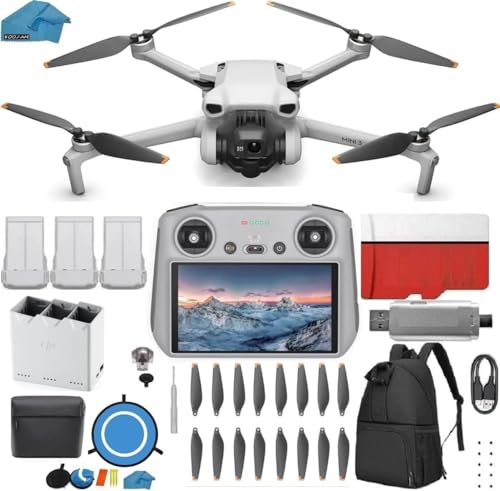
Bundle for everyone, see Description for details Seriously Pro Shots - Capture your world in remarkable detail with 4K/60fps video and 48MP photos. The advanced camera system supports dual native ISO and f/1.7 aperture for high-quality imagery, night and day.
Materials Used in Camera Mounts

The backbone of any effective camera mount lies in the materials from which it is constructed. A precise materials summary showcases innovation in mount design, enhancing speed footage quality.
- Plywood (3mm thick): Lightweight yet structurally sound, often forming the base plates.
- Carbon Fiber: Known for its high strength-to-weight ratio, with thicknesses ranging from 2mm to 6mm, ideal for crash resistance.
- Fiberglass (1.5mm): Smooth surfaces provide vibration resistance.
- Silicone Tubing: Acts as a dampener, absorbing unwanted shakes.
- Foam Rubber: Cushions and stabilizes, particularly on uneven surfaces.
These materials combine to create adaptable mounts. Fasteners and vibration-damping techniques further refine camera stability, ensuring breathtaking footage that’s free from interference and turbulence. Moreover, incorporating effective camera quality can significantly enhance the overall viewing experience.
Key Considerations for Mounting Cameras

Mounting a camera on an RC vehicle requires thoughtful consideration to harness the full potential of speed footage, especially when aiming for that exhilarating “whoosh” effect. Key factors include:
- Mounting Stability: Secure mounts on flat surfaces reduce vibrations and shakes, ensuring clearer visuals. Chassis-mounted cameras outperform bumper mounts, which can suffer shocks and risk damage.
- Vibration Dampening: Use materials like foam or rubber between the camera and mount—this considerably minimizes vibrations during runs. Elastic mounting options, such as hot glue, absorb minor shocks effectively.
Consider camera angles carefully—slight tilts can enhance speed perception. Remember, keeping the camera stable while capturing dynamic views is essential. Additionally, using a camera setup similar to high-speed remote control boats can showcase thrilling action shots as they perform. Ultimately, achieving that thrilling footage hinges on thoughtful mounting strategies that prioritize both stability and comfort for the camera.
Recommended Products

👍【REACH NEW FRONTIERS】Autel Robotics EVO Max 4T V2 perfectly integrates a wide camera, Zoom Camera, L~aser R~angefinder, and T~hermal Camera. Ultra-sensitive wide-angle camera supports 48MP 1/2" CMOS, max ISO 64000, Moonlight Algorithm 2.0 allows capturing crisp even in low-light environments. Zoom Camera supports 48MP 8K 10x optical zoom (160x Max). L~aser R~angefinder's Measuring Range: 16.4–3737 ft, Measuring Accuracy: ± (1 m + D×0.15%). T~hermal Camera with 640*512 30Hz t~hermal imaging and 9.1mm focal length and 16x digital zoom.

【More clearer And More Stable】GLADIUS MINI S captures epic moments with 4K HD video and 12 MP photos. It also comes with a 1/2.3 SONY CMOS, anti-video-shake feature, so you can record the beauty of the mysterious underwater world with more stable and vivid UHD video. With the combination of F2.8 lens and 2 x 1200 lumens LED lights, GLADIUS MINI S underwater drone can capture underwater details even in low light

Includes (4) 2-inch Black-Series 2" LED Cubes.
Features That Enhance Footage Quality

Video Stabilization Technologies
- Gimbals with 3-axis stabilization guarantee smooth footage by reducing shake and jitter.
- Electronic Image Stabilization (EIS), like that found in the GoPro Hero4 Black, effectively compensates for sudden movements.
Lens Selection
- Using wide-angle lenses expands the field of view, capturing more dynamic scenes.
- Autofocus lenses are vital for maintaining clarity on fast-moving vehicles, making sure no action gets missed.
The combination of advanced stabilization and precise lens selection transforms ordinary recordings into visual masterpieces, making every RC adventure truly unforgettable. Moreover, high-quality materials used in constructing RC speed boats contribute to improved stability during recording sessions, allowing for clearer footage at high speeds.
Durability and Maintenance of Camera Gear
Caring for camera gear is essential, especially when capturing high-speed RC action, as harsh environments can quickly lead to performance issues or even damage. Effective camera maintenance includes:
- Regular Cleaning: Use soft brushes and compressed air to remove dirt—especially after off-road stunts.
- Inspection: Check screws and bolts frequently to prevent loose components that may jeopardize stability.
- Lubrication: Apply the right lubricants to moving parts to combat wear and guarantee smooth operation.
- Storage: Always store equipment indoors, avoiding exposure to moisture and extreme temperatures.
Additionally, using protective gear like dielectric grease for electronics will guard against moisture. By following these practices, enthusiasts can enhance their camera’s durability, guaranteeing it delivers breathtaking footage every time. Consider incorporating high-quality materials like aluminum and rubber that can improve longevity and protect against harsh conditions while filming.
Cost-Effectiveness of Different Camera Options
Selecting the right camera for capturing rapid RC speed footage can greatly impact both the quality of the video and the overall experience, especially when budget considerations come into play.
For price comparison, consider the following options:
- GoPro Hero models ($200-$400): Higher cost, premium quality.
- Akaso cameras: Affordable alternatives, offering comparable features at a lower price point.
- DJI Osmo Action 5 ($200-$300): Balanced cost and durability, great stabilization.
- Insta360 ONE R: Similar range to GoPro but with modular flexibility for innovative shots.
Budget options below $100 exist, but they often lack essential image quality and stabilization. Therefore, investing wisely in trusted camera brands may yield long-term benefits for enthusiasts aiming for stellar high-speed footage.
Best Adhesive Mounts for Lightweight Needs
Adhesive mounts are rapidly becoming a game-changer for those keen on capturing high-speed RC action without weighing down their vehicles. Featuring industrial-strength adhesives, these mounts provide exceptional adhesive strength, securely attaching to both flat and curved surfaces—crucial for maintaining proper weight distribution during dynamic maneuvers.
Key benefits include:
- Minimal Weight: They add negligible mass, ensuring RC cars remain agile at high speeds.
- Enhanced Stability: Reinforced bases prevent detachment, while flexible designs conform to vehicle shapes for ideal adhesion.
- Weather Resistant: These mounts withstand heat and humidity, ideal for outdoor adventures.
With removable options, users can reposition mounts without damaging surfaces, making adhesive mounts not only functional but also incredibly versatile for capturing thrilling RC footage.
Recommended Products

Bi-Color Flexible Lighting,Color Temperature is 3000-5600k. LCD touch screen control.
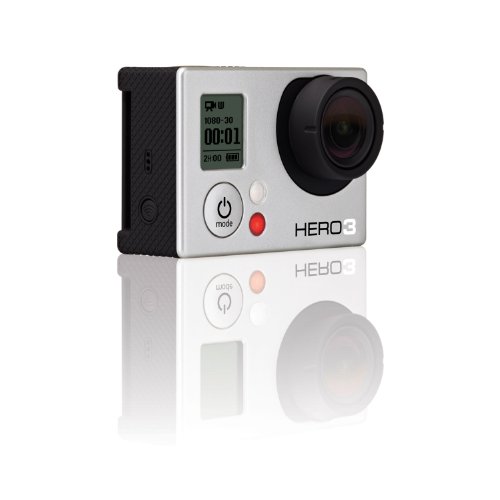
Professional quality video capture in 1080p 30fps, 960p 30 fpts, 720p 60 fps, and WVGA 60 fps

Bonds to: Brick, concrete, stone, glass, metal, plastic, tile, wood and more!
Advantages of Magnetic Clamp Mounts
As enthusiasts gravitate towards lightweight solutions for their high-speed RC adventures, magnetic clamp mounts emerge as a formidable alternative, bringing a host of benefits to the table.
Strong and Secure Attachment
These mounts utilize powerful neodymium magnets—boasting exceptional magnetic strength—to grip cameras firmly, ensuring stability during exhilarating motion. Rubber-coated bases safeguard surfaces, preventing scratches while maintaining robust adhesion even in dynamic conditions.
Versatility and Convenience
Compatible with various metallic surfaces, they allow for quick release and repositioning, making it easy to capture diverse angles. Imagine swapping mounts in seconds—no tools needed!
Enhanced Stability
Unlike traditional mounts, magnetic clamps reduce camera shake, producing smoother footage. Perfect for fast RC action, they deliver vibrant, dynamic perspectives that truly shine on video.
Recommended Products

Quickly mount your phone onto OM 5 or take it off easily to answer a call or reply to a message.
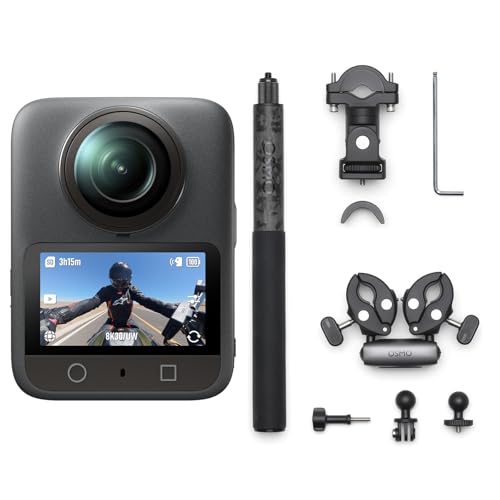
Big Views, Brilliant Quality - Groundbreaking 1-inch 360° imaging [1] delivers excellent low-light image quality, so you get sharper shots with your 360 camera for every adventure.
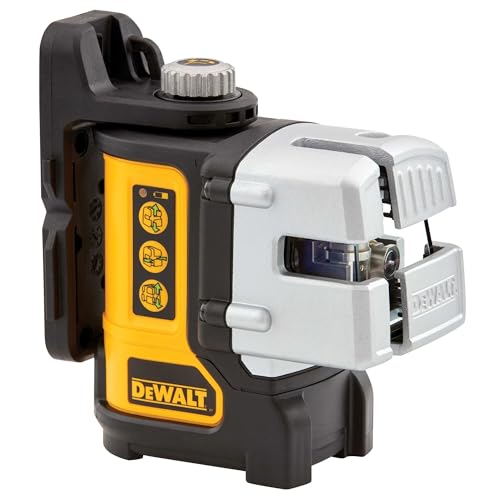
DEWALT laser level features green beam laser for clear visibility
Choosing the Right Mount for Your RC Setup
Choosing the right mount for an RC setup can greatly elevate the quality of captured footage, especially when racing at blistering speeds. The preferred mount must guarantee ideal camera stability while providing necessary mount flexibility.
Key Considerations:
- Mounting Methods: Secure mounts, like drilled holes or custom 3D-printed brackets, offer the best stability. They reduce vibrations, enhancing footage clarity.
- Material Choices: Lightweight plastics or carbon fiber maintain performance without adding bulk. Metal components, while heavier, provide superior durability.
- Types of Mounts: Adjustable mounts cater to various camera types, allowing for quick angle adjustments and multi-use applications.
A careful balance of secure fit and adaptability will make all the difference—transforming ordinary runs into extraordinary visual experiences!
Recommended Products

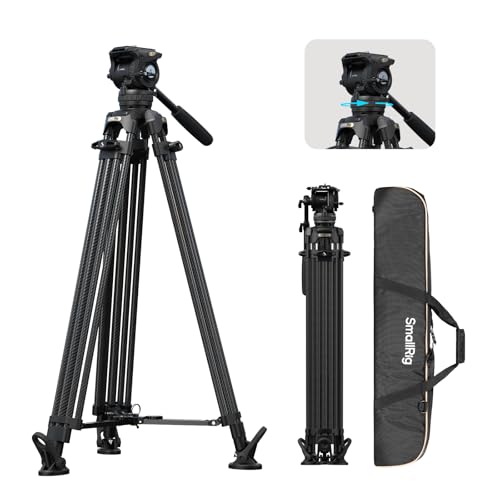
One-Step Height Adjustment: The FSD16 FreeSpeed heavy duty tripod is engineered for professional videography, providing elevated shooting perspectives and rapid tripod deployment. Its one-step leg deployment knob allows for quick height adjustments, streamlining your on-site workflow.

One-Button Lift & Lock - Experience seamless operation with the innovative one-button lift and lock feature. Simply press to lock your desired height instantly, allowing for smooth, one-handed adjustments. This user-friendly design is perfect for busy photographers and videographers who need to capture moments quickly without sacrificing stability
Frequently Asked Questions
Can I Use Multiple Cameras for Different Angles Simultaneously?
In a dance of perspectives, multiple cameras enable vibrant multi-angle setups, capturing simultaneous recordings. This immersive approach enhances the storytelling of RC adventures, transforming fleeting moments into a rich tapestry of fluid motion and dynamic views.
How Do I Secure My Camera From Vibrations During Fast Runs?
To secure a camera from vibrations during fast runs, employing vibration dampening techniques such as shock absorbing mounts effectively minimizes resonance. Additionally, using isolation materials and adjustable dampeners can further enhance stability and footage quality.
What Should I Do if My Adhesive Mount Fails During a Ride?
When an adhesive mount fails during a ride, one should implement emergency backup solutions like suction cup mounts and secure the camera temporarily with tape. Additionally, consider mount replacement strategies for future reliability and performance enhancement.
Are There Specific Mounts for 360-Degree Cameras?
Yes, specific mounts for 360-degree cameras exist, emphasizing 360-degree stabilization and mount compatibility. These mounts guarantee secure attachment to RC vehicles, accommodating larger, heavier cameras while minimizing vibrations and maintaining high-quality dynamic footage during movement.
How Do Weather Conditions Affect the Choice of Camera Mounts?
Weather conditions greatly influence camera mount selection; camera durability is essential. Robust mount materials, such as corrosion-resistant metals and waterproof plastics, enhance function and reliability, ensuring protection against moisture, temperature fluctuations, and wind-related challenges.