As an Amazon Associate, we earn from qualifying purchases. Some links on this site are affiliate links at no extra cost to you. Our recommendations are based on thorough research and editorial judgment.


Wind Awareness for RC Sailors

Wind awareness is essential for RC sailors. Understanding wind conditions influences rig selection—use Rig A in light breezes (0–15 knots) and Rig C for gusty conditions (23+ knots). Observe water ripples and smoke direction for real-time adjustments. Master tacking and jibing; smooth rudder movements are vital to maintain momentum and prevent stalling. Anticipate wind shifts and utilize telltales for best sail trim. This keen awareness fosters competitive strategies, ensuring that every race feels like a thrilling chase across the water. More insights await!
Key Takeaways
- Observe wind indicators like cloud movement and telltales to anticipate changes in wind conditions for better sailing strategy.
- Adjust rig selection based on wind strength; choose Rig A for light winds, Rig B for moderate winds, and Rig C for strong winds.
- Stay aware of oscillating wind shifts; tack on headers to improve your angle and overall performance.
- Monitor wind pressure on sails; find the balance between lift and drag for optimal speed and stability.
- Use compass readings to strategically position your boat around marks, adapting to persistent wind shifts effectively.
Understanding Wind Conditions and Rig Selection
Choosing the right rig type—be it A, B, or C—depends on wind strength:
- Rig A: Suitable for 0–15 knots
- Rig B: Best for 15–23 knots
- Rig C: Handles 23+ knots
Observation is key; factors like water ripples, whitecaps, and even smoke direction guide rig decisions. Sail adjustments complement your rig choice; for instance, flatten sails in high wind to reduce heel. With every change, anticipation of gusts is essential—a well-timed adjustment can mean the difference between gliding smoothly and floundering! The flexibility of high-speed RC boats allows for rapid adjustments in both racing and calming conditions, enhancing overall control during your sail.
Recommended Products

All product accessories are ready, and users can set sail after assembling them by themselves.
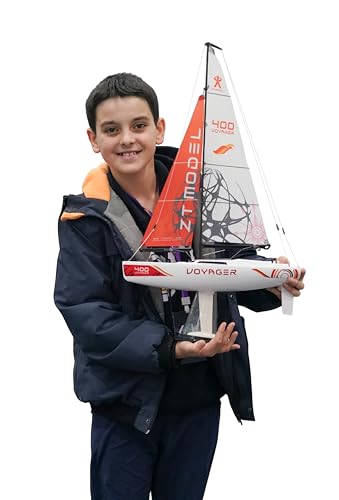
Length 400mm, width 100mm, height 672mm, scale 1:30

DURABLE NYLON-COATED STEEL: USA Quality 1x7 stainless steel fishing leader wire delivers superior abrasion resistance, corrosion protection, and long-lasting performance for freshwater and saltwater fishing targeting aggressive toothy predator fish and make any other fish easy work.
Basic Maneuvers Related to Wind

Mastering basic maneuvers related to wind is essential for any RC sailor, as these skills can transform a fledgling hobbyist into a seasoned competitor.
Tacking Techniques:
- Involves turning the boat’s bow through the wind, shifting it to the opposite side.
- To avoid stalling, the boat must turn at least 90 degrees.
- Smooth rudder movements are vital—erratic steering can lead to loss of momentum.
Jibing Maneuvers:
- This maneuver changes direction by turning away from the wind while sailing downwind.
- Precise timing is needed to maintain control as the sails shift from one side to the other.
An understanding of wind conditions is crucial for executing these maneuvers effectively.
Effective execution of these maneuvers can greatly enhance speed and overall performance on the water!
Wind Awareness Indicators for Effective Sailing

Cloud movement offers a broader view, hinting at upcoming changes. For real-time feedback, telltales visibility plays an essential role, showing airflow dynamics across sails. Combining electronic indicators with mechanical designs, such as pivoting vanes, enhances precision. Together, these indicators empower sailors with tactical techniques, allowing them to adjust swiftly, ensuring they remain competitive on the water. Understanding ideal wind conditions is crucial for maximizing sailing performance.
Recommended Products

COMPLETE PACKAGE: Contents include sailboat wind vane unit, supporting rod, index arms, and mast socket.
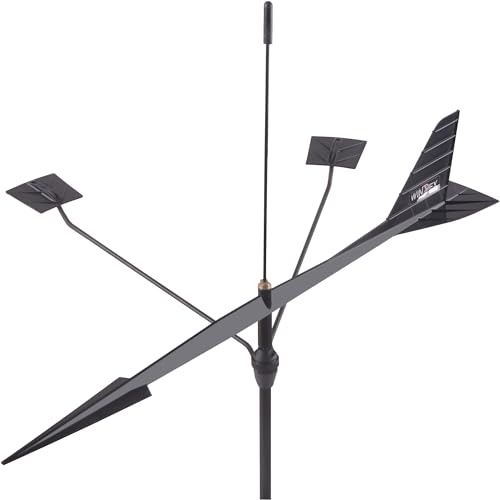
COMPLETE PACKAGE: Contents include sailboat wind vane unit, supporting rod, index arms, mast socket, and bird spike.

Easy on-easy off
Strategies for Utilizing Wind Variation

How can sailors effectively leverage the fickle nature of wind variation to gain an edge in competition? Understanding the difference between oscillating wind shifts and persistent wind shifts is fundamental.
- Oscillating Wind Shifts: Tacking on headers keeps sailors on the lifted tack, shortening their path to the windward mark.
- Persistent Wind Shifts: Sail toward the shift’s direction to outmaneuver competitors, especially near the mark—tack below the layline for ideal positioning.
Sailors should always be prepared to shift strategies. When expecting headers, speed toward them; if lifts arise, tack to regain advantage. With keen compass observations before the race, positioning on the water becomes a strategic chess game with wind playing a vital role—making it both a challenge and a thrill! Additionally, maintaining awareness of battery life and charging requirements ensures that sailors can maximize their time on the water without interruptions.
Recommended Products
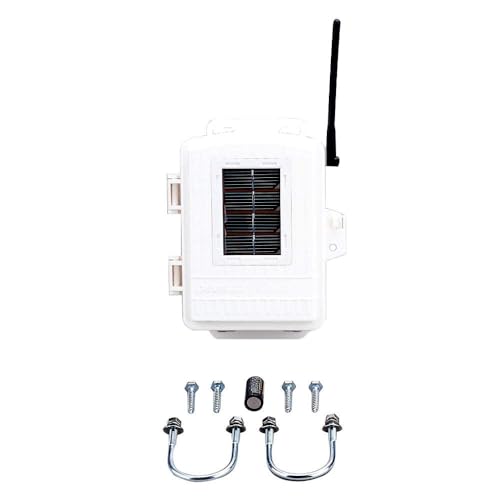
Great Product

Control your own RC sailboat - 2-channels with two servos for control of the water rudder and sail angle.
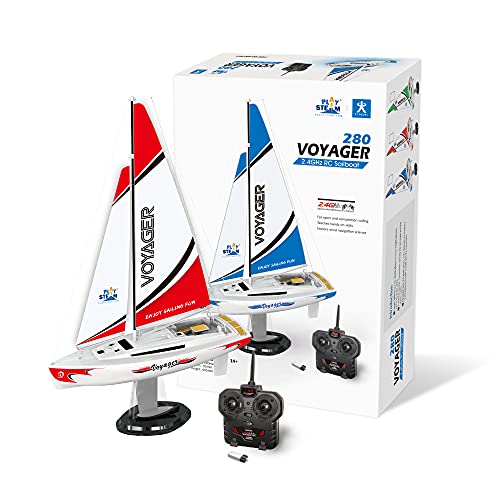
Control your own RC sailboat - 2-channels with two servos for control of the water rudder and sail angle
Effects of Wind Pressure on Performance

Understanding the effects of wind pressure on performance is essential for RC sailors aiming to maximize both speed and maneuverability.
- Pressure Differences: Wind creates varying pressures on sails—higher on the windward side and lower on the leeward side—which generates significant lift forces, propelling the boat forward.
- Ideal Conditions: Perfect wind speeds for performance hover around 12-15 knots, allowing for ideal lift efficiency without excessive drag.
- Risks of Overpressure: Stronger winds can increase heel angle, enhancing lift but also increasing drag, which can lead to instability.
- Control Essentials: Sail trim and boat handling become vital to balance these forces, allowing for effective maneuvers, efficient speed, and a delightful sailing experience—imagine gliding smoothly like a bird, not battling a gale! Additionally, understanding the mechanical and control features of your RC yacht can enhance your performance in varying wind conditions.
Essential Control Techniques for Sailors
Mastering essential control techniques can considerably elevate an RC sailor’s performance on the water. Key strategies include:
- Sail Balancing: Proper trim adjustments are vital; increase leech twist during puffs to spill wind and reduce heel, while maintaining power.
- Maneuver Strategies: Utilize tacking and jibing effectively, ensuring smooth arcs to prevent stalls—think of it as a dance, where timing is everything.
- Control Techniques: When bearing away, ease the sails by pushing the controller stick forward, allowing for acceleration into lulls or adjusting your position against other boats.
Additionally, consider how the self-righting function in some RC boats can enhance your learning experience by minimizing downtime after capsizing.
Employing these strategies transforms the sailing experience, combining precision, speed, and control. As every sailor knows, the water rewards those who master their craft—so practice makes perfect!
Reading Wind Patterns on the Course
What secrets do the wind patterns on the course hold for RC sailors? Mastering these mysteries can elevate performance.
- Wind Velocity Variations: Different zones deliver varying wind velocities; one side may be a hidden gem of stronger wind.
- Persistent Shifts: These occur from wind aloft, giving insights on what’s to come at the water surface.
- Oscillating Patterns: Wind direction may sway around a median, important for tactical planning.
Visual cues abound—a dark patch of rippling water signals stronger gusts, while shimmering surfaces hint at active wind. Sail adjustments become vital as sailors leverage these indicators, refining strategies based on surface markers and observations of nearby boats. With savvy interpretation, RC sailors can anticipate changes and navigate confidently!
Recommended Products

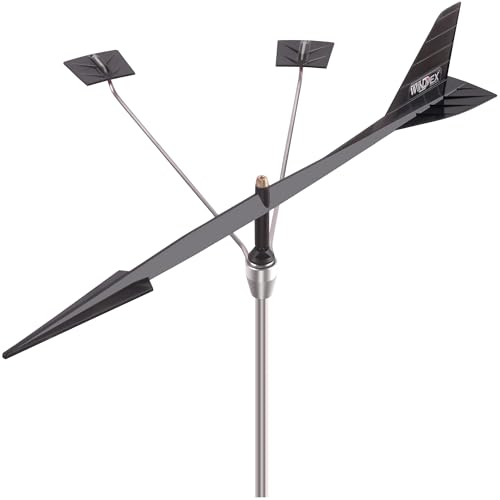
COMPELETE PACKAGE: Contents include sailboat wind vane unit, supporting rod, index arms,and mast socket.

Pro Anemometer: Accurately measure wind speed, wind temperature(℃/℉), air Velocity Flow Volume CFM CMM. Allows you to record 600 sets of readings, with portable case and easy to carry with you
Adapting to Changing Wind Conditions
How can RC sailors effectively respond to the unpredictable dance of wind conditions? Mastering sail adjustment is vital. When steering into the wind, sheet sails in tightly to optimize power; ease them out when bearing away to catch every gust. Continuous trimming is essential, adapting to puffs and lulls to maintain speed and balance.
Steering strategies matter, too. Tacking and jibing aren’t just moves—they require simultaneous sail adjustments for smooth changes.
Utilize telltales for real-time feedback on airflow, ensuring the boat remains at a 35–40 degree angle to the apparent wind for maximum efficiency.
Frequently Asked Questions
How Do Wind Shifts Impact My Race Strategy?
Wind shifts considerably impact race strategy by necessitating tactical adjustments. Effective shift strategy involves anticipating shifts, leveraging favored tacks, and optimizing boat speed, thereby enhancing positioning and overall race efficiency against competitors.
What Tools Help Measure Wind Speed and Direction?
Various anemometer types are available to measure wind speed and direction accurately. Handheld devices and digital meters provide real-time data, enhancing sailing strategies by monitoring wind conditions and improving situational awareness on the water.
How Can I Improve My Wind Reading Skills?
To improve wind reading skills, one should practice sail trimming, observe wind direction, analyze weather patterns, and utilize forecasting techniques. Consistent observation and refinement of these skills enhance understanding and responsiveness to wind changes.
When Should I Change Rigs During a Race?
Rig change timing should occur when weather conditions display a clear and sustained shift in wind strength, ensuring competitors can adjust for ideal performance. Rapid adjustments may enhance speed and control under fluctuating race scenarios.
What Are Common Mistakes in Wind Management?
Common mistakes in wind management include misreading wind direction, resulting in poor sail trim, failing to adjust sails to shifting winds, and neglecting environmental cues, leading to tactical errors and diminished performance on the water.


