As an Amazon Associate, we earn from qualifying purchases. Some links on this site are affiliate links at no extra cost to you. Our recommendations are based on thorough research and editorial judgment.

Mark Rounding Tactics That Win Races

Mark rounding tactics that win races hinge on precision—think of it as the art of orchestrating every turn. Sailors utilize smooth rudder movements and timely sail adjustments to maintain speed, like skaters gliding through a curve. Key strategies include tactical positioning, defensive inside lines, and exploiting wind shifts for competitive angles. Awareness of currents and visibility is essential. Each round can make or break a race—mastery here is critical. Explore how historical successes highlight these tactics, shaping sailing excellence.
Key Takeaways
- Implement smooth, gradual turns during mark rounding to maintain speed and optimize momentum.
- Position strategically by taking the inside line to limit competitors’ options and gain advantageous paths.
- Adjust sail controls appropriately to prevent stalling, ensuring maximum speed through turns.
- Stay aware of wind shifts and current effects to enhance tactical decision-making while rounding marks.
- Master relevant racing rules to navigate effectively and avoid penalties, maximizing strategic advantages.
Importance of Precision in Mark Rounding
Mark rounding is a significant moment in sailing, where precision can mean the difference between leading the pack or trailing behind. Understanding the mark importance is essential, as it dictates a sailor’s strategy for success. Rounding precision plays an important role in maintaining momentum; a smooth, gradual turn can prevent unnecessary slowdown. For instance:
- Approaching marks wide allows for better angles, while precise turns keep speed.
- In congested areas, maintaining superior velocity guarantees an advantage over competitors.
- Steering slightly above the layline at weather marks enhances tactical positioning.
Ultimately, a sailor’s finesse—coupled with solid strategy—transforms mark roundings from mere maneuvers into opportunities for winning. Even the slightest miscalculation can cost valuable seconds—tension hangs in the air on every rounding! Furthermore, the use of streamlined multi-hull designs in RC speed boats exemplifies how precision in design can enhance overall performance during competitive events.
Speed Management Techniques

In the domain of competitive sailing, speed management is the secret sauce that can elevate an average round into a breathtaking display of skill. Key techniques include:
- Smooth Rudder Use: Gradual, smooth turns minimize drag—think of the rudder as a brake that slows the boat down if used excessively.
- Sail Adjustments for Speed Conservation: Before rounding, optimize your sail controls. Easing the mainsheet smoothly is essential to avoid stalling.
- Crew Coordination: Synchronizing crew movement and sail trim enhances speed during turns—like a well-rehearsed dance at sea.
These strategies transform energy into speed, ensuring that every rounding is efficient and thrilling, keeping competitors guessing and audiences captivated. Mastering these techniques is critical for gaining that coveted edge in racing. Additionally, understanding how to operate a model yacht with dual motors for racing stability can significantly enhance your performance on the water.
Recommended Products

Wooden model boat BLUENOSE II FULLY ASSEMBLED fully assembled speedboat replica scaled modelfor decoration


Built plank-on-frame hull and cotton hand stitched sails rigging.
Tactical Positioning Strategies

Tactical positioning strategies in competitive sailing are like a chess game played on water—every move counts, and foresight is essential. Sailors must employ tactical cornering techniques that dictate their approach to turns. Here are key considerations:
- Defensive Inside Line: Taking the inside line keeps opponents at bay, as they navigate longer paths.
- Mid-Track Positioning: This surprises competitors, creating unexpected tactical advantages.
- Optimal Racing Lines: Running tangents through curves minimizes distance and boosts speed. Additionally, understanding the sailing environment characteristics is crucial for effective maneuvers.
The Art of Covering Opponents
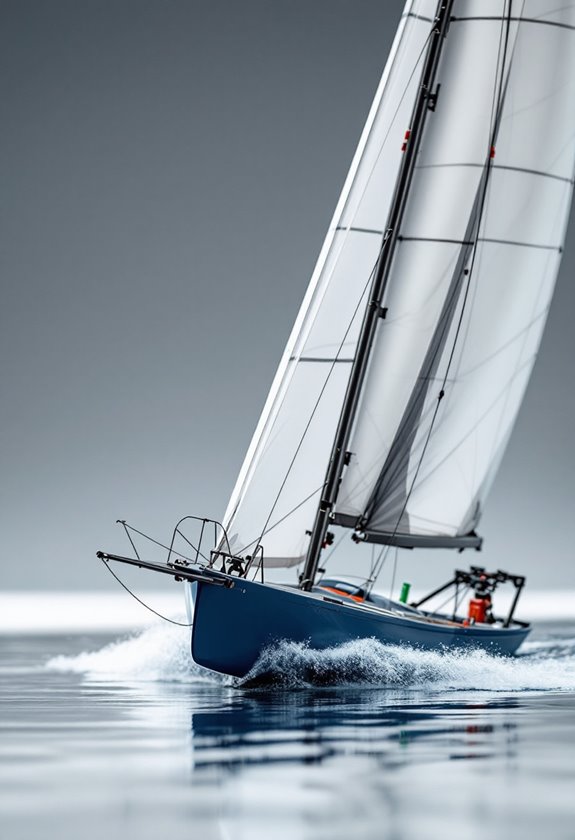
Covering opponents in competitive sailing requires more than just strategic maneuvering; it’s an art form that demands quick thinking and a keen understanding of the environment.
Defensive Tactics
Effective covering strategies involve positioning between opponents and the next mark, blocking their ideal paths while staying close ahead.
- Tight Cover: Stay windward to disrupt their speed.
- Control Air: Create “dirty air”—a sneaky tactic to slow them down.
- Loose Cover: Maintain defensive stance without aggressive dueling, striking a balance with race pace.
While frustration may provoke errors in rivals, covering should be executed with finesse. Anticipate your opponent’s moves and adjust accordingly. Remember, it’s about control—crafting a strategic chess match on water, where every inch counts and every decision matters. In the realm of racing, employing techniques from waterproof designs ensures that your vessel remains resilient and effective against environmental challenges.
Leveraging Inside Positioning

Securing inside positioning during a race is akin to claiming the prime real estate on a bustling city block—it’s all about location, location, location. Inside lane dynamics offer significant tactical advantages that can determine the outcome.
- Minimized Distance: Taking the inside path around turns shortens the racing distance, saving energy.
- Controlling Pace: Jockeys in inside positions can dictate tempo—forcing competitors to react rather than setting the pace.
- Momentum Preservation: Holding inside lanes means avoiding wide arcs that slow momentum, vital for those final sprints.
However, the effectiveness can vary by track type—dirt sprints often favor inside speedsters. Ultimately, understanding when to maintain and leverage that inside position can be the difference between a victory celebration and a missed opportunity. Additionally, the choice of high-speed capabilities is critical in making the most of the inside positioning advantages.
Recommended Products

Impact Resistant Polycarbonate Hull

World's Top Choice for Speed: Renowned as the most popular inline speed skating boot globally, perfect for all skating levels. If you're seeking a fitness or recreational boot, consider the Bont Semi Race III
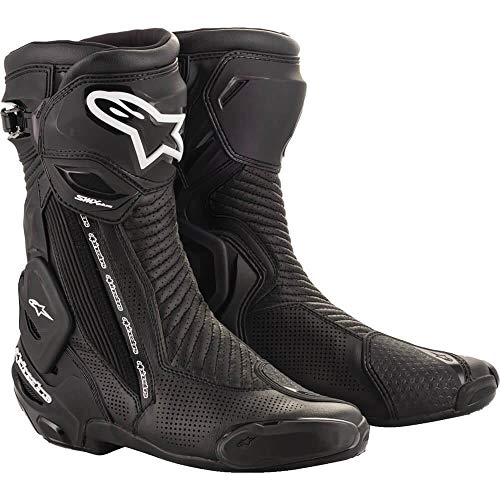
Now, fifty years later, Alpinestars is synonymous with quality, protection, technology and style
Psychological Factors at Marks
Racing drivers frequently find themselves grappling with intense psychological factors that can greatly influence their performance on the track. To be successful, they must master emotional control—especially at critical marks. When stress spikes from high-speed maneuvers, fear can cripple decision-making. Therefore, techniques like controlled breathing and positive affirmations become crucial.
- Mental Resilience: This refers to a driver’s ability to bounce back from setbacks, like losing a position.
- Focus Maintenance: Ignoring distractions, including track noise and competitor actions, is essential to avoid cognitive overload. Additionally, understanding the importance of battery life can help drivers strategize their approach during races, ensuring they maintain optimal performance throughout.
Rules Knowledge for Competitive Advantage
Understanding the intricate rules governing mark rounding is essential for competitive sailors who aim to outmaneuver their opponents effectively. Mastery of Rule 18, which details “Mark Room,” enables sailors to navigate tight spaces with confidence. This knowledge helps avoid costly penalties that can derail a race.
- Rule Interpretation: Grasping when to yield space is vital, especially in high-pressure situations.
- Penalty Awareness: A sailor must comprehend that a penalty can lead to further consequences if a significant advantage is gained afterward.
Anticipating Competitors’ Moves
In the high-stakes world of competitive sailing, a sailor’s ability to foresee competitors’ moves can often spell the difference between victory and defeat. Understanding competitor psychology enables sailors to predict their actions—a skill essential for tactical advantage.
- Read Patterns: Identify repeated overtaking attempts to manipulate competitors’ defenses.
- Observe Behaviors: Look for slow corners indicating weakness, revealing prime attack moments.
- Maintain Unpredictability: Shift overtaking strategies to keep rivals guessing.
Timing is imperative; an unexpected move can leave competitors scrambling. Effective strategists practice dynamic adjustments, ensuring flexibility when opponents react. By grasping move prediction, sailors not only navigate the waters skillfully but also outmaneuver their competition, creating enviable opportunities to clinch that coveted win.
Recommended Products

Enhanced Grip: Our sailing gloves include synthetic leather palm pads that provide tough protection while ensuring comfort. The textured inner surface offers better grip, wear resistance, and durability.

What part of don't you understand? Funny saying with the crew overboard exercise for sailors, skippers and captains on their sailboat, dinghy, sailing yacht. Jibe Edition

Soft Holster Belt Loops: Looking for a soft belt loops option that is a bit more secure than a standard belt clip? Look no further than our pull-the-dot IWB holster clips. Soft loops for the Kydex sheath kit are a replacement for the standard belt clip on all of our IWB holsters.
Environmental Influences on Rounding Tactics
Environmental factors play a pivotal role in shaping rounding tactics during competitive sailing. Key influences include:
- Current Effects: Currents can push boats off their ideal path, demanding early corrective maneuvers. Strong tidal flows create zones of speed or drag, affecting how quickly a boat rounds a mark.
- Visibility Challenges: Reduced visibility—thanks to fog or low light—adds complexity when judging distance and competitor positioning. Clear skies can provide a tactical advantage, while shadows might mislead sailors about distances.
Wind variability, wave conditions, and even temperature fluctuate throughout a race, altering tactics on the fly. Savvy tacticians must stay alert to these environmental cues, adapting their approach to maximize speed and control as they round critical marks.
Adapting to Course Layouts
How does the layout of a sailing course influence a sailor’s strategy during a race? Course analysis is critical—understanding the skewed axis can alter tack approach dramatically. For instance:
- Longer Tacks First: Starting with the longer tack minimizes layline risks, preserving tactical options.
- Middle Line Start: A less congested option grants greater tactical flexibility as sailors adapt to shifting winds.
Additionally, tactical adjustments at gates can dictate downwind leg success. Leading boats will often tactically position opponents, while those trailing may choose alternate gate strategies for gain. The choice between port and starboard rounding at windward marks can either cement dominance or be a gamble. Therefore, careful analysis and adaptability to course layouts define the balance between risk and reward, emphasizing skillful execution throughout the race.
Mastering Different Wind Conditions
Mastering different wind conditions is essential for any competitive sailor, as each breeze presents its own strategic intricacies. Understanding wind shifts can profoundly affect positioning during mark roundings. For instance, when boats first start to head upwind, those adept at reading shifts can gain an edge, often sailing lower than the fleet to enhance speed.
Key strategies include:
- Clear Air: Maintain a clear line to reduce interference from competitors.
- Leverage Current Effects: Recognize how currents can impact wind flow, affecting your course.
- Tack Timing: Knowing when to shift tacks can make or break a race, allowing sailors to exploit advantageous wind conditions.
Ultimately, keen observation and adaptability are pivotal for mastering the nuances of varying wind conditions.
Historical Success Stories of Mark Rounding
The art of mark rounding has a storied history, with many sailors achieving remarkable success through innovative techniques and strategies. Historical successes, such as Andrew Collenette’s impeccable leeward mark rounding during the 1988 Optimist Selection Trials, illustrate the significance of flawless acceleration and smooth sail trim—essential elements for maintaining speed.
Key tactics include:
- Seamless Sail Positioning: Clean, efficient roundings keep boats competitive.
- Adaptability in Challenging Conditions: Observations from the 2022 Laser Frostbite Series demonstrate that retaining control during strong gusts guarantees position.
- Strategic Entry Angles: Tight-to-wide entries preserve speed, while mastering rules enhances tactical outcomes.
These examples underscore how careful execution of mark roundings can lead to memorable triumphs on the water—truly, a story of both skill and strategy.
Developing Consistent Mark Rounding Excellence
Key tactics include:
- Strategic Control: Relaxing the vang just enough aids smooth turning, reducing sail twist without losing power.
- Overlap Management: Gain or break overlaps before the two-boatlength zone; a slight slowdown can force competitors into bad air.
- Tactical Positioning: Make wide swings around leeward marks for advantageous clearances.
Ultimately, mastering these details enables sailors to maintain ideal rounding flow, enhancing their competitive edge. Sailors should view each round as a dance—flowing seamlessly yet strategically, creating opportunities to surge ahead.
Frequently Asked Questions
What Equipment Modifications Enhance Mark Rounding Performance?
Strategically crafted sail modifications combined with optimized weight distribution play essential roles in enhancing mark rounding performance. These modifications improve stability and speed, ensuring seamless changes during critical maneuvers while maintaining boat balance and control.
How Does Crew Communication Affect Mark Rounding Success?
Crew communication greatly influences mark rounding success through defined crew roles and signal clarity. Effective dialogue guarantees timely maneuvers, ideal sail adjustments, and strategic positioning, enhancing overall boat speed and minimizing errors during critical racing moments.
What Common Mistakes Do Beginners Make During Mark Rounding?
Like a rookie knight charging into battle, beginners often misjudge tacking angles and maintain excessive distance, resulting in decreased boat speed and inefficient rounding maneuvers. Such errors frequently hinder performance and compromise their tactical advantage during races.
How Can Weather Predictions Influence Mark Rounding Decisions?
Weather predictions greatly influence mark rounding decisions by anticipating wind shifts and patterns. Sailors adjust their positioning, speed, and maneuvers to optimize their approach, ensuring maximum speed and control, adapting tactics to projected environmental changes.
What Drills Improve Mark Rounding Skills for Racing Teams?
Like clockwork precision, focused drill types enhance mark rounding skills for racing teams. Specific roles within the team, such as helmsman and crew, practice synchronized maneuvers, timing drills, and strategic positioning to maximize racing efficiency.


