As an Amazon Associate, we earn from qualifying purchases. Some links on this site are affiliate links at no extra cost to you. Our recommendations are based on thorough research and editorial judgment.

How To Prevent Tangles With Fishing Line

To prevent tangles with fishing line, anglers should start with proper spooling techniques—ensure the line unwinds counterclockwise and apply consistent tension. Avoid overfilling spools to dodge wind knots, keeping the line just below the spool lip. High-quality ball-bearing swivels cut down on twists, while regular reel maintenance keeps gear smooth. When casting, stay mindful of rod angles—aim for 10:30 and 2:30. These tips set the stage for a smoother fishing experience; continue exploring to elevate your skills.
Key Takeaways
- Ensure proper spooling techniques by maintaining consistent tension and checking for line twists every 15 cranks.
- Avoid overfilling spools; aim for a slight underfill just below the spool lip to prevent tangles.
- Use high-quality ball-bearing swivels and appropriate lures to manage line twist and prevent unwanted rotation.
- Maintain regular reel maintenance by greasing gears and oiling bearings to enhance functionality and reduce line tangles.
- Tie secure knots like the Arbor knot and apply electrical tape over knots to reduce line slippage during casts.
Understanding Proper Spooling Techniques
You may be interested


Proper spooling techniques serve as the foundation of successful fishing line management—after all, a well-spooled line can be the difference between a perfect cast and an absolute catastrophe.
To maximize effectiveness, the spool orientation is vital: position it so the line unwinds counterclockwise. Any twists? Simply flip the spool! Maintaining awareness during winding is key—check for twists every 15 cranks. Secure the line with an Arbor knot for knot security, wrapping it around the spool two to three times before tightening. This guarantees that the line grips firmly, preventing pesky slippage. Remember, maintaining consistent tension between your fingers as you spool helps avoid tangles, enabling you to achieve smooth casts. Additionally, consider using a well-designed RC fishing boat with advanced GPS features for precise bait placement that complements your well-managed line. These small details can transform your fishing experience, allowing for better performance on the water.
Recommended Products

Key Features – Unique patent pending design - Spool spinning reels and casting reels without fishing line twist – compact design for easy storage and portability – 1/4lb spool capacity – Soft touch clamping points protect rod blanks – adjustable line spooling tension bands ensure that line is spooled tightly on the reel - works with monofilament, fluorocarbon, and braided fishing line.
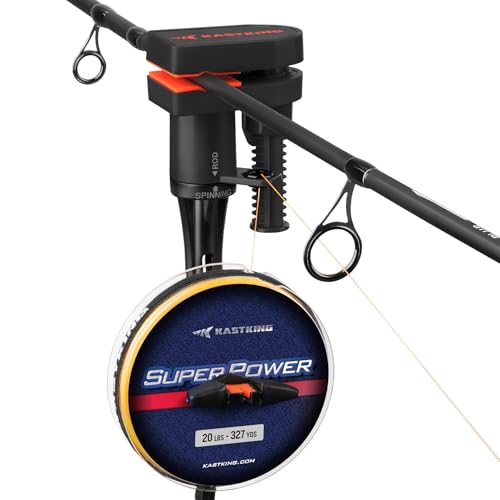
SPOOLS SPINNING & BAITCASTING REELS WITH NO LINE TWIST – KastKing TrueWind fishing line spooler routes fishing line from the filler spool to your reel in the correct direction for spinning reels and baitcasting reels, helping reduce line twist, wind knots, loops, and uneven line lay when loading braid, monofilament, or fluorocarbon.

One-Person Fishing Line Spooling:Piscifun Speed E fishing line spooler helps you respool fishing reels by yourself without asking another person to hold the supply spool. It is designed for quick line changes at home, on the boat, at the dock, or on the bank
Avoiding Overfilled Spools and Line Memory

Successful fishing line management extends beyond mastering spooling techniques; it also involves carefully avoiding common pitfalls such as overfilled spools and the dreaded line memory phenomenon.
Overfilled Spools
- Wind knots and tangles are constant threats.
- Excess line adds weight, affecting casting performance and leading to potential jams.
Ideal Spooling Practices
- Aim for a slight underfill, allowing line to rest just below the spool lip.
- Regular line inspection helps catch overfilling and maintains ideal conditions.
Line Memory Matters
- Use slow, controlled hand spooling to reduce friction and minimize line memory issues.
- Don’t spool too tightly—this can turn your line into a tangled mess! Additionally, implementing high bait capacity fishing methods can help manage bait and line more effectively.
Taking these precautions will keep your fishing experience smooth and enjoyable, even on tough days.
Managing Line Twist and Directionality

When fishing enthusiasts discover that their line is twisted—much like a tangled ball of yarn after an enthusiastic cat has played with it—they often wonder what went awry. Managing line twist and ensuring correct line orientation are essential in preventing this frustrating issue.
- Lure Selection: Opt for lures that don’t spin or roll, as these create unwanted twists.
- Swivels: Incorporate a high-quality ball-bearing swivel to prevent line rotation.
- Rigging: Properly rig soft plastics in a straight position to avoid rolling during retrieval.
The direction in which the line feeds off the spool also matters—spool it with consistent tension, as loose coils can exacerbate twist. Additionally, using a dual battery system can help extend your fishing sessions, allowing for better line management and smooth retrieval. Keeping these guidelines in mind will help maintain a smooth fishing experience.
Quick Fixes for Existing Line Twist

Tackling line twist can feel like wrestling a spaghetti monster—frustrating and messy, but not impossible. Two effective methods can help untangle your fishing line.
Towing Method
- Detach all terminal tackle.
- Allow the line to trail behind a moving boat or strong current.
- The water helps to gradually untwist the line.
Hang and Spin Technique
- Tie the line to a stationary point, like a tree.
- Open the reel bail and walk backward, letting the line unwind.
- The terminal tackle’s weight creates tension, helping to release twists.
Both methods efficiently resolve line twist dilemmas, turning a potential disaster into a manageable task—just like turning that spaghetti mess into a perfectly twirled plate of pasta! Additionally, understanding the battery life and capacity of your fishing equipment can also help in preventing tangles, as a well-maintained line is less prone to twisting.
Line Handling Tips During Fishing

Mastering line handling during fishing not only enhances the experience but also boosts success rates on the water. To prevent tangles, maintaining consistent line tension is critical. Anglers should:
- Cast Smoothly: Avoid sudden jerks; this minimizes the risk of twists.
- Rod Positioning: Keep the rod tip slightly downward to curb line whipping.
- Slack Management: Drop the rod tip near the reel spool to alleviate tight twists.
- Retrieval Pace: Always retrieve line steadily—bouncing motions invite tangles.
Moreover, stretch the line during fishing trips to keep it supple. Intentionally pause between casts to let the line straighten, as a straight line is less prone to snarls. With these techniques, anglers can enjoy a smoother fishing experience, transforming challenges into triumphs. Additionally, using boats with advanced navigation systems can help position bait effectively, further reducing the risk of tangles.
Equipment and Line Selection Considerations
Selecting the right equipment and fishing line can greatly impact an angler’s success, guaranteeing that the journey on the water remains both enjoyable and productive. When choosing line types like fluorocarbon or quality braided lines, anglers should consider properties such as low memory to minimize tangling.
Key Considerations:
- Diameter Matching: Confirm the line’s diameter aligns with the spool specifications to prevent slack or overload.
- Proper Spooling: Fill the spool correctly, leaving about an eighth-inch gap for effective line management.
- Environmental Factors: Consider water type and target species for ideal line strength. Additionally, utilizing high bait capacity can enhance your overall fishing efficiency.
With proper selections—paired with careful techniques—anglers can greatly reduce line tangles, allowing for a smooth-fishing experience, like gliding across calm waters on a sunny day.
Recommended Products

Advanced Polymer Coating Technology: Innovative polymer coating bonds tightly with the nylon molecules to enhance abrasion resistance and increase knot strength. This specially formulated coating allows the line to pass smoothly through the rod guides.

Strong knot strength - dynamically incorporated strands in KastKing Superpower braided lines allow you to easily tie a more solid knot; you can even tie an improved clinch knot.
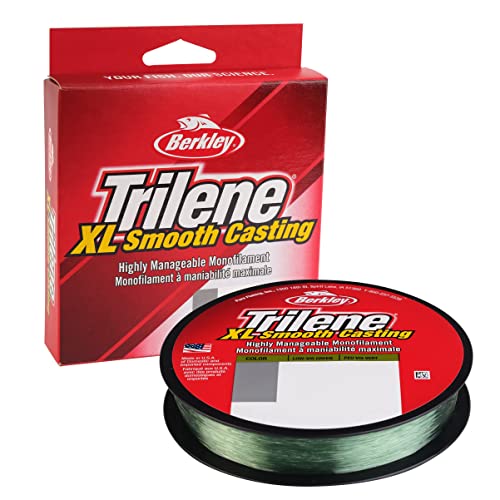
BERKLEY TRILENE XL: Don't let fish off the hook. Stronger and smoother than ever before, this versatile clear fishing line offers exceptional performance with a wide variety of baits and techniques.
Techniques to Reduce Line Slippage
Reducing line slippage is essential for every angler who dreams of snagging the big catch rather than watching their line spiral into a tangle. One effective method is using monofilament backing; spooling a good 100 yards of mono onto the reel provides a gripping surface for the braid.
Here are some techniques:
- Braid Knots: Tie reliable ones, like the arbor knot, ensuring they’re cinched tight.
- Electrical Tape: Apply a 1-inch piece over the knot to enhance grip and prevent slippage under tension.
- Tension Maintenance: Keep steady pressure on the line while spooling—loose line spells disaster.
Mastering these techniques can markedly improve an angler’s experience, leading to more enjoyable fishing trips and fewer tangles.
Recommended Products

Stylish & Compact Design: Modern fishing line spooler with sleek appearance and minimalist design that looks great on any fishing setup. Compact and lightweight, it easily fits into your tackle bag, making it convenient for fishing trips at home, lake, or shore

BERKLEY PORTABLE LINE SPOOLER STATION: The Berkley Portable Line Spooling Station makes it quick and easy to spool line wherever you go, saving you valuable time and effort.

Enhanced Conduit Navigation: The Southwire Fish Tape Leader offers rust resistant fish tape performance with flexible leader fish tape construction for tight bends and long pulls
Maintaining Reel Components for Smooth Operation
Keeping fishing reels in top shape is essential for guaranteeing a smooth and successful outing on the water. Regular reel maintenance, focused on cleaning and lubrication techniques, can drastically enhance performance.
- Main Shaft & Seals: Fully extend the main shaft to clean it, applying grease below the spool hub to minimize wear.
- Handle: Unscrew the handle, oil bearings, and lubricate joints for smooth rotation.
- Spool & Shaft: Inspect for debris and oil the shaft to guarantee a trouble-free line release.
- Gear & Bearings: Lightly grease gears and carefully oil bearings to maintain internal fluidity.
With careful maintenance, anglers can preserve their reels, prevent tangles, and enjoy a more efficient fishing experience.
Recommended Products

【Lasting Lubrication for Fishing Reels】- This is a necessary fishing accessories in the angler box for you. With the feature of wear-corrosion, reduces friction, and high stability, it deal for freshwater and saltwater fishing gear maintenance. Ailiaili fishing reel care kit, a practical choice for anglers who want dependable reel performance with minimal effort.

Compatible with Freshwater & Saltwater Reels - CLP formula is safe on all reel materials including aluminum bodies, stainless bearings, brass gears, and polymer side plates. Saltwater-safe and corrosion-resistant.
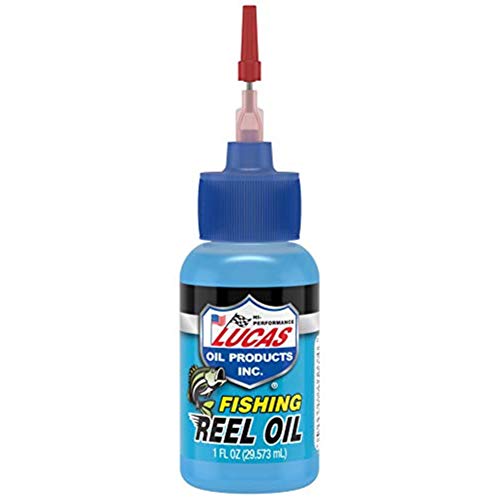
Lubricates and penetrates with lasting protection
Utilizing Line Conditioners and Lubricants
After verifying that fishing reels are in prime condition, attention should turn to line maintenance—specifically, the use of line conditioners and lubricants. These products offer substantial line conditioning benefits, such as reducing friction and enhancing glide through guides, dramatically cutting down the risk of tangles.
Types of Conditioners:
- Silicone sprays: Waterproof and ideal for extending line life.
- Monofilament conditioners: Restore flexibility, reducing coil memory.
Lubricant Application:
- Apply evenly, avoiding excess—just a light coat suffices.
- Condition while the line is spooled for maximum effectiveness.
Regular use, especially post-exposure to water, verifies lines remain pliable and free of unwanted memory—making casting smoother and minimizing knots for an enjoyable fishing experience.
Recommended Products
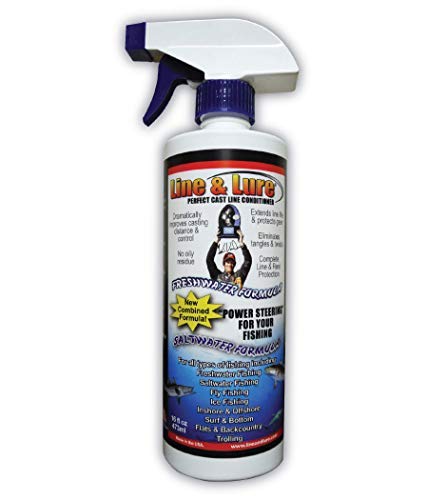
[IMPROVES CASTING] - Increases Casting distance by 20% GUARANTEED! Reduces Line stiffness and makes 12lb Fluorocarbon Fishing Line feel and act like 10lb fishing line. KVD Line Conditioner works with all types of fishing line. Braided, mono, and fluorocarbon fishing line.
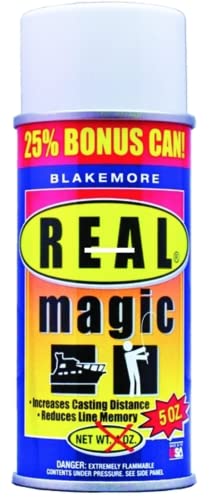
Country Of Origin : United States

Blakemore 86 Reel Magic
Best Practices for Casting Without Tangling
Casting without tangling can feel like the ultimate fishing challenge, particularly for novice anglers enthusiastic to snag that big catch. To enhance success, mastering rod angles and casting distances is essential.
- Rod Angles: For weighted rigs, cast at forward angles around 10:30 and back at 2:30 on an imaginary clock. This technique helps prevent tight loops that lead to tangles.
- Casting Distances: Keep casts moderate, especially with multi-fly setups, to maintain line control. Avoid excessive false casts—less is more!
Additionally, let the rod load naturally while fishing. Smooth, steady strokes foster a more manageable line, reducing slack. By following these practices, anglers can cast with greater confidence, decreasing the frustration of tangled lines and focusing on their next big catch.
Frequently Asked Questions
What Line Type Is Best for Reducing Tangles While Fishing?
Monofilament advantages make it preferable for reducing tangles while fishing. Its stretch and lower memory help absorb slack, whereas braided line tends to tangle more easily due to its lack of elasticity and higher propensity for twists.
How Often Should I Replace My Fishing Line for Best Performance?
For ideal performance, anglers should adhere to recommended replacement frequencies based on line type, with monofilament and fluorocarbon needing annual changes, while braided lines can last several seasons, depending on their condition and lifespan factors.
Can Weather Conditions Affect Fishing Line Tangling?
Weather conditions greatly impact fishing line tangling. Wind effects can create unnecessary loops during casting, while humidity impact alters line slickness, increasing friction and contributing to tangles, ultimately complicating the angler’s experience on the water.
What Should I Do if I Notice a Limp Line While Fishing?
Upon noticing a limp line, one should implement line maintenance tips such as re-spooling under tension and inspecting for damage. Additionally, adjusting fishing technique by ensuring controlled casts can greatly reduce line limpness and improve performance.
How Can I Store My Fishing Line to Prevent Tangles?
Like a concertmaster tuning strings, proper spooling during line storage prevents tangles. Organizing spools in a cool, dry place while ensuring space between them allows for easy access and maintains the integrity of the fishing line.


