As an Amazon Associate, we earn from qualifying purchases. Some links on this site are affiliate links at no extra cost to you. Our recommendations are based on thorough research and editorial judgment.

Local RC Sailing Clubs: How to Join

Joining a local RC sailing club can be an exciting venture. Membership fees range from $15 to $129, with youth and family options available. Clubs typically offer various memberships—Full for racers, Associate for beginners, and family plans for a broad sailing experience. Members must serve on the race committee at least two days a season, ensuring everyone contributes. Plus, many clubs provide trial sessions with loaner boats! Stay tuned to discover more about training programs and events.
Key Takeaways
- Research local RC sailing clubs to find membership options that fit your sailing experience and interests.
- Complete the membership application and pay the applicable dues, which can range from $15 to $129.
- Participate in trial sailing sessions offered by clubs to experience sailing and familiarize yourself with the community.
- Fulfill service obligations by volunteering on the race committee for at least two days if you’re a Full or Associate member.
- Engage in training programs and events to enhance your skills and connect with other club members.
Membership Fees and Payment Options
You may be interested



Membership in local RC sailing clubs offers enthusiasts a chance not just to share their passion but also to connect with like-minded individuals. Fees vary widely based on club size and benefits, with annual costs typically ranging from $15 to $129. Larger organizations might charge between $39 for youth and $129 for families, while many local clubs maintain flat rates from $15 to $20.
Discounted rates are often available for students, service members, and first responders, making it easier for more individuals to join. Payment procedures are increasingly convenient, featuring online portals, traditional checks, and payments at club events. To finalize membership, applications may need to accompany payments, ensuring a smooth process for all involved. Additionally, joining a club can provide access to exclusive events showcasing safety features that enhance the RC boating experience.
Types of Membership and Eligibility Criteria

Within the sphere of local RC sailing clubs, various types of memberships cater to different groups, enhancing the collective experience and ensuring no one feels left out. Common categories include:
- Full Membership: For experienced sailors actively participating in races.
- Family Membership: Covers two adults and multiple youth members, with benefits for youth eligibility up to age 18.
- Associate Membership: Tailored for those starting their sailing journey, allowing involvement without racing.
- Sustaining and Commodore’s Circle: Higher tiers offering additional privileges for generous supporters.
Eligibility criteria typically require an application, dues, and, depending on the category, a demonstration of sailing experience or family status declaration. These memberships provide unique opportunities for connection, skill development, and community engagement throughout the sailing season. Additionally, engaging in a club can foster friendships while participating in racing events similar to those enjoyed in multiplayer capabilities of RC sailing activities.
Race Committee Participation Requirements

To guarantee a successful racing season, active participation in the race committee is important for all eligible members. Each member is required to serve a minimum of two days on the race committee during the main racing series to meet their service obligations. This applies to various membership types, including Full, Associate, and Student members.
Members play significant race committee roles, such as the Principal Race Officer and Timer, each crucial for smooth operations. They must sign up for duties before the racing season begins, ideally in early spring. Non-racing members are encouraged to join, providing a learning opportunity in race management. Fulfilling these obligations is essential, as failure to do so may lead to disqualification of race scores or other penalties. Additionally, participating members may find inspiration in Dumas RC boats, which combine craftsmanship and excitement for water adventures.
Recommended Products
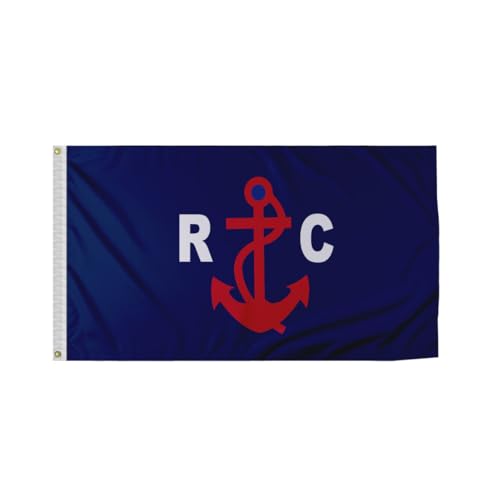
YACHT FLAG: Showcase your patriotism and maritime pride with this Race Committee yacht flag, a true symbol of American boating tradition MARINE GRADE 200D NYLON: Yacht club...
Trial Sailing and Training Programs

Trial sailing and training programs serve as inviting gateways for newcomers enthusiastic to immerse themselves in the world of RC sailing. Many local clubs offer open trial sessions, allowing novices to experience sailing without prior experience. Loaner boats are available, making it easy for newcomers to test the waters before committing financially. Scheduled primarily on weekends, these accessible sessions emphasize fun and learning rather than competition.
Informal mentorship opportunities abound, as experienced sailors coach newcomers on everything from vessel setup to basic racing techniques. Beginners will find structured training programs, organized in multi-week blocks during summer, focusing on essential skills like boat handling and water safety. With dedicated coaching, aspiring sailors can progress from novice to competitive levels, all while enjoying the camaraderie of the club. Participants will also learn about the importance of battery life duration, ensuring they maximize the performance and efficiency of their sailing experience.
Recommended Products

All product accessories are ready, and users can set sail after assembling them by themselves.

Product Dimensions: 6.9 x 4.9 x 1 inches ; 1 pounds

LEVEL UP YOUR HOBBY – Designed for the "Advanced Beginner", this is the perfect second project. Master the art of authentic rigging and sail-setting with a build that is challenging yet achievable for developing hobbyists.
Club Communication and Event Participation

Effective communication is the lifeblood of any successful RC sailing club, creating an essential link among members, participants, and event organizers. The incorporation of communication enhancements, such as VHF radios, guarantees clear and timely updates throughout events.
Key practices include:
- Concise Language: Using common sailing terms minimizes misunderstandings.
- Visual Signals: Hand gestures effectively complement verbal instructions, especially with wind interference.
Participants engage in thorough event preparation, reviewing sailing instructions and sharing experiences to foster teamwork. Additionally, a clear command structure, with skippers leading communication, helps streamline information flow. Emphasizing clarity—through repetition and agreement on terminology—cultivates a cooperative environment. Ultimately, effective communication fosters sportsmanship and enhances each sailor’s experience, making club events both educational and enjoyable. To enrich the experience further, clubs can encourage members to customize their RC sailing yachts to express individuality and enhance their sailing performance.
Recommended Products

1)Reliable, interference free 2.4GHz AFHDS 2A signal operation.

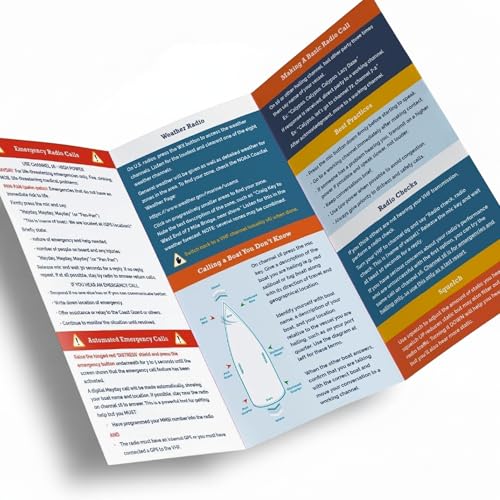
COVERS ALL FREQUENTLY NEEDED TOPICS: Spelling Alphabet, Channel Usage, Emergency Calls, Safety Calls, Hi/Low Power Choice, Best Practices for Clear Communication, Radio Checks, Weather Radio, and Squelch. A portable, handheld cheat sheet for all boats.
Frequently Asked Questions
What Types of Boats Are Allowed at Local RC Clubs?
What types of boats can enthusiasts sail at clubs? Various boat categories, including one-design and box rule classes, are welcomed. Adherence to class specifications guarantees fair racing while allowing for unique designs and models.
Is Insurance Required for Participating in Club Activities?
Participation in club activities typically requires insurance coverage to protect against potential liabilities. Members often need to sign liability waivers acknowledging their understanding of insurance policies before joining sailing events and races.
Can I Join a Club Without Prior Sailing Experience?
To get one’s feet wet, individuals can join a club without prior sailing experience. Many clubs offer beginner training, ensuring new members develop essential sailing skills through orientations, classes, and mentorship programs tailored for novices.
Are There Age Restrictions for Youth Members in Clubs?
Youth members typically face age restrictions, generally capping membership at 18. Youth programs offer benefits such as sailing access and events, while limiting responsibilities. Some clubs extend membership benefits for youth up to age 21.
What Are the Responsibilities of a Race Committee Member?
Race committee members shoulder colossal responsibilities, orchestrating each race’s symphony. They navigate race management duties, skillfully wielding duties like course selection, protest handling, and ensuring safety, ultimately crafting an exhilarating experience for competitors amidst the relentless embrace of the sea.