As an Amazon Associate, we earn from qualifying purchases. Some links on this site are affiliate links at no extra cost to you. Our recommendations are based on thorough research and editorial judgment.

How To Host A Scale RC Yacht Regatta

Hosting a scale RC yacht regatta is an exciting challenge. Start by understanding yacht classes—like sloop rigs or multihulls—then select a venue with steady winds. Craft a flexible race schedule, ideally under an hour per race, while ensuring safety for spectators. Establish rules aligned with organizations like APBA. Finally, promote the event through local clubs and social media. With these steps, the thrill of competition awaits—discover how to design a fair course next!
Key Takeaways
- Choose a venue with steady wind, proper infrastructure, and marked zones for safety and organization of different RC yacht classes.
- Develop a flexible race schedule starting in late morning, with races lasting under one hour to keep participants engaged.
- Establish clear rules and regulations aligned with recognized bodies, addressing propulsion types, right of way, and spectator safety.
- Collaborate with local and national RC sailing clubs to recruit participants and enhance community engagement prior to the event.
- Promote the regatta through flyers, social media, and local hobby shops, generating excitement with pre-race meetups and workshops.
Understanding Scale RC Yacht Classes and Categories
You may be interested
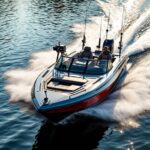


When diving into the world of scale RC yacht classes, enthusiasts quickly discover that size truly matters—specifically, scale size. The most common scales—1:12, 1:24, 1:36, and 1:48—each offer unique balances of performance and realism.
Key factors include:
- Scale Accuracy: Essential for realism, but sometimes it compromises control.
- Hull Materials & Rig Dimensions: Class rules define these to guarantee competitive fairness and performance.
- Sail Plans: Choices like sloop rigs dominate due to their efficiency, while multihulls bring speed and stability.
- Class Distinctions: The One Meter Class and Marblehead Class guarantee strict compliance to maintain level competition.
Additionally, incorporating features like LED lighting capabilities can enhance visibility during races, allowing for exciting competitions even in low-light conditions.
Ultimately, understanding these elements empowers skippers to optimize their models for thrilling races on the water.
Selecting the Right Venue for Your Regatta

Hosting an RC yacht regatta demands more than just precise models and skilled skippers; the right venue plays a pivotal role in guaranteeing a successful event.
Key Venue Features and Accessibility Considerations:
- Wind Conditions: Look for steady winds—these are essential for an engaging race.
- Infrastructure: Confirm launching areas have padded ramps to protect fragile boats, and consider separate spots for different models.
- Safety Protocols: Clearly mark restricted zones to maintain safety and organization; access routes for emergency teams are fundamental.
- Proximity of Services: Location matters! Keep scoring areas and competitors’ zones close to optimize performance. Additionally, ensure the venue can accommodate a variety of RC yachts, including saltwater-resistant models, to enhance the experience for all participants.
Choosing the right venue transforms a simple event into an unforgettable experience, blending excitement, safety, and functionality seamlessly.
Crafting an Effective Race Schedule

Crafting an effective race schedule is paramount for the smooth operation and enjoyment of an RC yacht regatta. A well-structured timetable enhances both race day timing and overall participant experience.
Key elements to contemplate include:
- Schedule Consistency: Start races around late morning, allowing adequate preparation time.
- Flexibility is Key: Allow the race committee to adjust schedules based on weather—after all, Mother Nature can be unpredictable!
- Manageable Race Limits: Keep races under an hour to avoid fatigue, with intervals for results processing.
- Course Design: Courses should align with wind direction, aiming for 0.5 to 0.75 nautical miles per leg. Moreover, considering the battery life of the RC boats ensures participants can enjoy extended play periods without interruptions.
Establishing Clear Rules and Regulations

Establishing clear rules and regulations stands as the backbone of a successful RC yacht regatta, guaranteeing that everyone is on the same page—from seasoned competitors to enthusiastic newcomers. A thorough rule framework is vital for effective rule enforcement, promoting fairness and camaraderie among participants.
Key aspects include:
- Standardization: Align with recognized bodies like APBA or ISAF.
- Propulsion Guidelines: Define permitted propulsion types for equitable competition.
- Safety Measures: Implement spectator precautions—keeping them at least 15 feet from operating boats—and make certain participants can react swiftly in emergencies.
In addition, clear definitions of right of way and penalties are essential. A transparent rule structure not only enhances race conduct but also fosters respect and accountability, guaranteeing an enjoyable experience for all involved. Moreover, ensuring participants understand effective waterproofing can prevent damage to their yachts and contribute to a smoother regatta.
Designing a Safe and Fair Race Course

Designing a safe and fair race course is essential to guaranteeing that every participant, from the most experienced yachtsman to the enthusiastic novice, can compete with confidence and enjoy the thrill of racing.
- Course Layout: The starting line should be perpendicular to the wind direction, creating fairness. Guaranteeing the line is 1.5 times the boat length multiplied by the number of boats prevents congestion.
- Wind Considerations: Proper mark placements allow for effective wind shifts, reducing tricky maneuvers.
- Safety Protocols: Incorporate offset marks and gates to aid in traffic patterns, promoting collision avoidance. Keeping track of battery life is also crucial for ensuring that boats remain operational throughout the race.
Monitoring these elements guarantees a competitive and enjoyable experience, keeping fleets safe from hazards and promoting fair racing for all involved—because who wants to be “that guy” in a tangle of boats?
Recommended Products

Preminum Material: RC roadblock is made of preminum quality plastic material, and with exquisite workmanship, which is sturdy, hard to damage, and long-lasting Wide...
Implementing Scoring and Results Management
Implementing scoring and results management is a pivotal aspect of hosting an RC yacht regatta, where every point can mean the difference between glory and disappointment. Organizers often employ scoring systems, like the Low Point Scoring system, which rewards better finishes with fewer points, guaranteeing fairness in competition. Discards—allowing racers to toss their worst scores—add an extra layer of strategy.
Heat management systems efficiently divide large fleets into competitive heats, promoting top performers and motivating others to improve. Software tools, such as ARYRM and MYA’s HMS, automate these processes, tackling everything from result tabulations to generating official score sheets. This approach enhances transparency and guarantees excitement, keeping eyes glued to the water as every yacht races towards the finish line. A successful regatta should also consider battery management to ensure optimal performance of all participating vessels throughout the competition.
Managing Participants and Spectators
For spectator safety, establish designated viewing zones at least 15 feet from operating boats. Barriers or ropes can effectively prevent accidental excursions into the water—safety first, after all! Providing amenities like seating, shaded areas, and accessible restrooms keeps everyone comfortable.
Appoint volunteer marshals to guide attendees and communicate safety rules, making the event not just enjoyable, but secure. After all, a successful regatta combines thrilling competition with an atmosphere where both participants and spectators feel safe and engaged.
Providing Equipment and Technical Support
Navigational tools, such as GPS and hand-held compasses, guarantee racers stay on course. Safety is paramount; personal flotation devices and first aid kits must be readily available.
Furthermore, technical training for support personnel is essential—they should master signaling devices, understand racing rules, and be proficient in operating rescue equipment. With proper preparation, participants can focus on racing, knowing that safety and support are prioritized and well-handled.
Promoting Your Regatta to Attract Participants
Community partnerships play a pivotal role as well. Collaborating with local and national RC sailing clubs guarantees the event reaches a broader audience. Additionally, inviting renowned RC sailors lends credibility, attracting enthusiasts enthusiastic to compete. Distributing posters in local hobby shops and promoting the regatta through newsletters can further enhance visibility. Finally, organizing pre-race meetups builds excitement, transforming casual interest into commitment. A well-promoted regatta can transform an ordinary day into an exhilarating community event!
Frequently Asked Questions
What Are the Typical Entry Fees for Participants?
Typical entry fees for participants reflect varied entry fee structures, often ranging from $5 to $90. Event types influence costs, while incentives like waived fees for members and fun days encourage greater participation and community engagement.
How Do I Handle Participant Registration and Hull Numbers?
To handle participant registration and hull identification, one must leverage registration software to streamline data collection, ensuring unique identifiers and efficient verification. This approach keeps everything above board while enhancing overall event organization and participant experience.
What Insurance Do I Need for Hosting the Event?
To host the event, adequate liability coverage is essential, including regatta and liquor liability insurance. Additionally, securing event cancellation protection will safeguard against financial losses due to unforeseen disruptions or weather-related issues.
How Can I Promote My Regatta Effectively?
To effectively promote the regatta, one must cast a wide net on social media, weaving engaging visuals and local partnerships into the fabric of community outreach, consequently anchoring interest and excitement among potential participants.
What Should I Do in Case of Bad Weather?
In case of bad weather, the race committee should implement safety protocols and contingency plans, including delays or cancellations, course modifications, and thorough assessments to guarantee participant safety. Clear communication is essential for informed decision-making.