As an Amazon Associate, we earn from qualifying purchases. Some links on this site are affiliate links at no extra cost to you. Our recommendations are based on thorough research and editorial judgment.


How to Dispose of Damaged LiPos Safely

Disposing of damaged LiPo batteries safely is essential for preventing hazards. First, wear protective gear: gloves, goggles, and lab coats. Disconnect the battery and place it in a non-combustible area. Discharge it carefully, aiming for 2V per cell—monitor voltage and temperature closely during this process. Finally, utilize a specialized recycling service, such as Redwood Materials. Improper disposal can harm the environment, so it’s vital to follow these guidelines. Discover how to identify damage and more vital safety protocols next!
Key Takeaways
- Disconnect the damaged LiPo battery from its power source immediately to prevent further hazards.
- Wear protective gear including gloves and goggles when handling the damaged battery.
- Place the battery in a non-combustible area for safe monitoring and assessment.
- Use a specialized recycling company, like Redwood Materials, for proper disposal of the battery.
- Check local regulations on battery disposal, as they vary by state and may require recycling programs.
Understanding the Risks of Damaged LiPo Batteries
When individuals operate with lithium polymer (LiPo) batteries, they often overlook the lurking dangers associated with damage—especially when they assume that a small dent or minor swelling is harmless. Such imperfections can greatly compromise the battery’s lifespan and safety.
- Physical impacts, punctures, and overcharging can lead to dangerous internal short circuits.
- Swelling is not just a cosmetic issue; it’s a red flag signaling potential thermal runaway—a condition where the battery might spontaneously ignite.
Practicing proper charging techniques, like avoiding unsuitable surfaces and maintaining the recommended temperature range, is critical. Ignoring these aspects can have catastrophic consequences, often likened to playing with fire—literally. Ultimately, damaged LiPo batteries pose serious risks that warrant immediate attention. Furthermore, understanding the importance of waterproof features in devices that use LiPo batteries is crucial for mitigating risks during operations in variable conditions.
Important Safety Gear for Handling Damaged Batteries

How can anyone be adequately prepared to handle damaged LiPo batteries? The answer lies in meticulous safety gear. Essential PPE requirements include nitrile or neoprene gloves—latex simply won’t cut it against potent electrolytes. Safety glasses or goggles are important, protecting those eyes from unexpected splashes. A lab coat or protective clothing minimizes skin contact, significant for avoiding chemical burns.
Furthermore, firefighting tools play an important role. Always keep a dry chemical fire extinguisher handy; it’s your first defense against thermal runaway. A fire blanket can snuff out small fires quickly, preventing chaos. Storage areas should boast nonflammable surfaces like concrete—a little prevention goes a long way in ensuring safety when dealing with these volatile batteries. Additionally, ensuring compatibility with specific battery types can enhances safety during handling.
Recommended Products

Medical-Grade Nitrile Gloves: These pink nitrile gloves provide medical-grade protection to support safe, confident use. Ideal for exams, these powder-free, latex-free disposable pink gloves help reduce the risk of irritation from latex proteins

LATEX FREE & POWDER FREE: SafeHealth is a brand managed by PM Gloves, a company dedicated to disposable gloves manufacturing for more than 40 years. Our gloves are the safest choice for those who have allergic reactions or sensitive skin to natural rubber latex and donning powder.

EXCELLENT BARRIER PROTECTION: SAFESKIN Nitrile Disposable Gloves are the professional-grade solution for medical, culinary, and cleaning applications. Our premium nitrile formula delivers exceptional barrier protection without natural rubber latex, making these gloves safe for users with latex allergies and sensitivities.
Identifying Damage in LiPo Batteries
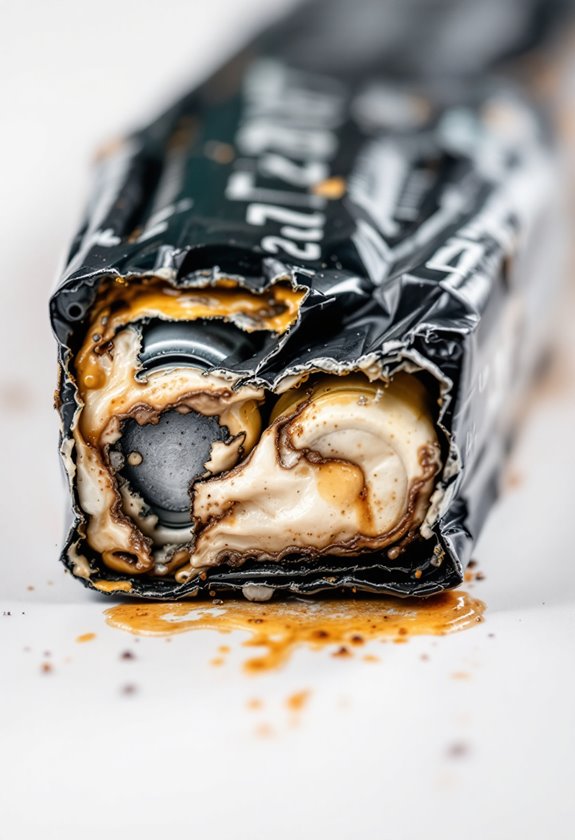
- Swollen cells indicating gas buildup.
- Tears or holes in the casing suggesting physical damage.
- Surface burns indicating overheating.
For a deeper assessment, performance testing is essential. If a battery exhibits:
- A significant drop in capacity,
- Increased internal resistance leading to overheating, or
- Frequent cutoffs during use,
these may signal internal issues. Even subtle deformities, like dents, can spell trouble. To summarize, keeping a close eye on batteries, both visually and during use, can not only save devices but also prevent hazardous situations. A well-informed user is the best line of defense against battery disasters! Additionally, being aware of the operation capabilities of RC boats can help users understand safe charging practices for LiPo batteries.
Steps to Take After a Battery Impact
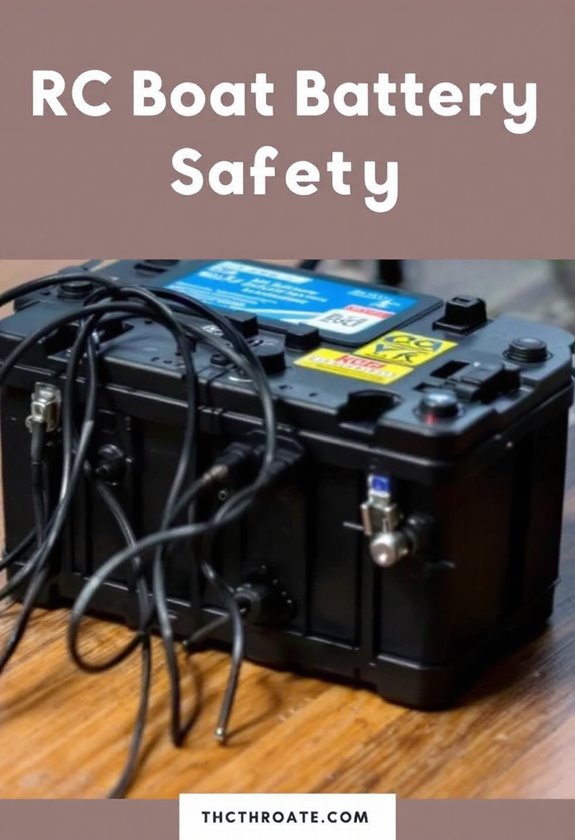
A single misstep with a lithium polymer (LiPo) battery can lead to dramatic consequences, making it essential to act swiftly and safely post-impact. Immediate actions are imperative. If the battery remains cool and shows no signs of leakage or smoke, the next step is to disconnect it promptly to avert electrical hazards.
Preventive Measures:
- Wear gloves, safety goggles, and lab coats—think of them as your superhero gear!
- Carefully extract the battery from the device to prevent short circuits.
Place the battery in a non-combustible area, monitoring it for any delayed reactions, such as swelling. Remember—a seemingly minor impact can still necessitate thorough battery assessments to guarantee safety and mitigate fire risks. Additionally, consider the importance of performance and battery life when handling and disposing of the battery to ensure precautions are taken during the process.
Proper Discharge Procedures Before Disposal

After confirming the battery is cool and safely isolated post-impact, attention turns to the proper discharge procedures before disposal.
Recommended Products

8050mAh 14.8V 4S LiPO battery replacement for YUNEEC Typhoon H RC drone

Fireproof & Explosion-proof Protection: The Guardme AN9 isolation box ensures ultimate safety for your lithium batteries during charging with its advanced fireproof and explosion-proof materials.

One key smart discharging, born for RC users. Support 2-8s, 6-35V discharging with maximum 80W discharging capacity.
Preparation
- Work in a ventilated, fire-safe area, equipped with a LiPo-compatible charger or discharger.
- Always check wiring and polarity!
Discharge Setup
- Set the discharge current to 0.5C or lower. A cautious approach is key.
- Start with a voltage cutoff of 3.3–3.5 V/cell, aiming for 2 V/cell ultimately.
Safe Discharge
- Securely connect the battery and initiate a slow discharge.
- Continuously monitor voltage and temperature—no one likes surprises! Additionally, use a battery discharging method that safely reduces risk during the process.
Handling damaged batteries requires extra caution; use remote discharge setups when needed. Remember: proper discharge methods are essential to guarantee safety before disposal, and that russet channeling caffeine can’t substitute for good preparation!
Sealing and Storing Batteries for Transport
Sealing and storing damaged lithium polymer (LiPo) batteries for transport requires meticulous attention to detail, ensuring both safety and compliance. Proper battery containment is essential to prevent potential hazards.
- Use UN-certified packaging: A plywood or fiberboard box designed for lithium batteries is vital.
- Insulate terminals: Cover terminals with non-conductive materials like shrink wrap to guard against short circuits.
- Secure seals: Tamper-evident tape keeps packages closed tightly—no rattling allowed!
- Label appropriately: Hazard and type labels should comply with regulatory packaging standards.
- Environmental awareness: Whenever possible, choose biodegradable packing materials to keep Mother Nature happy.
Additionally, keep in mind that high internal resistance in LiPo batteries can improve efficiency, which is significant during the handling and transport process.
With these steps, safe transport of damaged LiPos not only protects handlers but also minimizes risk potential during transit.
Recommended Products

Space-Saving Powerhouse: 1/3 the size of standard 12V 300Ah batteries (32% smaller footprint!) but with 20AH HIGHER capacity. Ideal for RVs, campers, and marine vessels where every inch matters – fits seamlessly into tight battery compartments without sacrificing energy storage.

【4000W Dual Motor, Faster & Powerful】 TESWAY X9 electric bike for adults use dual brushless geared motor, geared motors can provide higher torque for the ebike. Speed can reach up to 43 MPH, 0-35MPH about 10S. Delivers 240NM torque, climbs 40° slopes, 400LBS max load. Easily handle all terrains like mountain roads, sand and snow, letting you enjoy the ride to the fullest.

[Feature]: Legion 5i (16″ Intel) Gaming Laptop with 14th Gen Intel Core i9 processors push your gameplay beyond performance, giving you the power to do it all. | 165Hz | Backlit 4-Zone RGB Keyboard | Wi-Fi 6E AX211 | Integrated 1080p Webcam with E-Privacy Shutter | Stay cool, play hard: Legion ColdFront 5.0
Safe Transport Practices for Damaged LiPo Batteries
Transporting damaged lithium polymer (LiPo) batteries requires a careful and methodical approach, much like traversing a minefield where one misstep can lead to chaos. To guarantee safety during transport, it’s essential to adhere to specific practices:
- Cushioning Materials: Use protective padding to shield the batteries from impacts.
- Transport Methods: Road, sea, or rail are often the safest options for damaged LiPos.
- Terminal Isolation: Tape battery terminals to prevent short circuits.
- Hazard Labels: Clearly mark packages with Class 9 labels and damaged status indicators.
- State of Charge: Ideally, batteries should be under 30% charge before shipment.
It’s vital that handlers are trained and ready for potential emergencies, safeguarding everyone’s safety and compliance.
Recommended Products

GPS Precision & Beginner-Friendly Controls The E2 is equipped with advanced GPS positioning that allows hands-free hovering, altitude hold, and fixed-point stability

Compatibility: Our INNVO Drone Case is designed for DJI Mini 5 Pro, DJI Lito 1, Lito X1 Fly More Combo, The pre-cut foam fits the drone, remote (RC2 / RC-N3), charging hub, and up to 6 batteries, A mesh pocket for accessories

LOCK IT UP -- The only NEW 30 Cal Ammo box with welded lock kit on the market today. The high quality, powder coated matte finish is duable and resistant to the elements. In addition, the locking kit is welded on for additional security. Please note: all military cans, even NEW ones, will have some minor imperfections such as scratches or uneven painting.
Certified Recycling and Disposal Locations
Disposing of damaged lithium polymer (LiPo) batteries requires more than just tossing them in the trash; it demands a responsible approach to recycling and safety. Fortunately, several certified recycling programs offer accessible locations for safe disposal of these hazardous materials.
Certified Retail Drop-off Points:
- Major retailers like The Home Depot, Lowe’s, and Staples provide free drop-off options.
- These stores maintain secure bins to prevent fire hazards and leakage.
Specialized Recycling Companies:
- Firms like Redwood Materials accept batteries directly, ensuring proper processing.
- They have over 100 collection points nationwide, enhancing convenience.
Environmental Responsibility:
Utilizing certified facilities not only safeguards the environment but also promotes resource recovery—ensuring valuable materials aren’t wasted. Choose wisely and dispose of LiPos safely!
Recommended Products

【Zeee 2S 7200mAh Lipos Specification】- Battery Voltage: 7.4V; Configuration: 2S1P; Capacity: 7200mAh; Discharge: 120C; Connector type: EC5 Connector.

【Zeee 2S 7200mAh Lipos Specification】- Battery Voltage: 7.4V; Configuration: 2S1P; Capacity: 7200mAh; Discharge: 120C; Connector type: XT60 Connector.

Parameter - Material: Lithium polymer, Voltage: 7.4V, Cell: 2S, Capacity: 8200mAh, Discharge: 120C, Charging plug: JST-XHR-3P, Discharging plug: Deans connector, Pack: Soft case.
Understanding Local Regulations for Battery Disposal
Maneuvering local regulations for lithium polymer (LiPo) battery disposal can feel like wandering through a maze with signs pointing in different directions—frustrating but necessary to avoid costly missteps. Each state has its own local ordinances; for instance, California strictly prohibits regular trash disposal, while states like Texas allow it under non-hazardous conditions.
- Understand Local Rules: Clearly identify whether your state mandates recycling programs or designated hazardous waste facilities—failure to comply can lead to fines.
- Commercial vs. Residential: Businesses face stricter regulations than individual users, often required to use certified recycling services.
With so much variability, knowing the rules will save trouble down the line and keep communities safe and eco-friendly.
Environmental Risks of Improper Battery Disposal
When individuals neglect proper disposal methods for damaged lithium polymer (LiPo) batteries, they inadvertently set off a cascade of environmental issues that can linger for generations. These batteries can leak hazardous chemicals like lithium, cobalt, and nickel into soil and water—threatening both ecological impacts and community health.
- Contamination: Leaked chemicals can degrade soil fertility, harming local flora and fauna.
- Water Risks: Contaminated water sources threaten aquatic ecosystems and drinking supplies.
Moreover, improper disposal increases the risk of landfill fires, releasing toxic emissions into the air. This cycle of contamination not only burdens ecosystems but endangers communities, illustrating the grave consequences of careless battery disposal. To protect future generations, awareness and responsible disposal practices are essential.
Emergency Response for Overheating or Burning Batteries
In the face of an overheating or burning lithium polymer (LiPo) battery, quick and informed responses can make the difference between a minor inconvenience and a major disaster. Battery safety is paramount; first, disconnect the battery from any power source to halt electricity flow. Then, calmly evacuate the area to avoid toxic fumes and smoke.
If flames emerge, aim for a halon extinguisher—water can also cool and interrupt thermal runaway. Remember, persistence is key; continue cooling for at least 15 minutes to prevent reignition. Always don personal protective equipment (PPE) when handling overheating batteries. Finally, contact emergency services for serious incidents, ensuring everyone maintains a safe distance while waiting for trained help. Stay vigilant, and remember: safety first!
Workplace Guidelines for Handling Damaged Batteries
Handling damaged lithium batteries in the workplace can feel like maneuvering through a high-stakes game of chess where one wrong move could lead to explosive consequences. To guarantee safety, companies must adopt robust battery maintenance protocols and disposal guidelines.
Essential Steps:
- Training: All personnel who engage with these batteries should receive thorough training on handling procedures.
- Storage: Batteries must be stored in cool, dry places, away from sunlight—vital for preventing overheating.
- Inspection: Regular checks for bulging or leaks are imperative; damaged batteries should be promptly removed from service.
- PPE: Appropriate personal protective equipment, like gloves and eye protection, is non-negotiable during handling.
Following these guidelines can turn potential hazards into manageable tasks, guaranteeing a safer workplace.
Best Practices for Consumer Battery Disposal
Effective battery disposal practices stand as an essential component to both personal safety and environmental stewardship. Ensuring proper handling can appreciably extend battery life and minimize hazards. Consumers should:
- Tape terminals with non-conductive tape to prevent short-circuits.
- Store batteries in separate, leakproof containers to mitigate damage risks.
- Avoid tossing batteries into trash—this can ignite flammable materials.
When exploring disposal options, check local regulations. Many areas prohibit throwing away lithium-ion or rechargeable batteries. Use designated recycling centers or retailer take-back programs. Not only do these options prevent hazard exposure, but they also support sustainability by recovering essential minerals. Always consult local authorities to align with disposal laws and make eco-friendly choices!
Frequently Asked Questions
Can I Throw Away Damaged Lipo Batteries in Regular Trash?
Throwing away damaged LiPo batteries in regular trash is unsafe. Proper recycling options should be pursued, emphasizing safe handling to mitigate fire hazards and comply with local hazardous waste regulations for responsible disposal.
What Are the Signs That a Lipo Battery Is Overheating?
Amidst the excitement, lipo battery symptoms reflect a brewing storm: excessive heat, puffing casings, and alarming odors. Overheating indicators transmit a dire message, warning of imminent danger in the electrifying dance of technology and chemistry.
How Long Can I Store Damaged Batteries Before Disposal?
Damaged batteries should not be stored for long to guarantee safety; immediate disposal is advised. Battery longevity is compromised in unsafe storage, increasing risks. Safe storage conditions must be observed until disposal procedures are enacted.
Are There Specific Disposal Rules for Larger Lithium Batteries?
Specific disposal rules for larger lithium batteries include compliance with federal lithium regulations. Businesses must follow universal waste management guidelines and utilize battery recycling facilities with appropriate RCRA hazardous waste permits for safe disposal.
What Should I Do if I Accidentally Puncture a Lipo Battery?
Like a candle flickering in the wind, a punctured LiPo battery demands immediate action. Evacuate, follow puncture precautions, and implement an emergency response. Contact professionals, avoiding further risk while ensuring personal safety against potential hazards.


