As an Amazon Associate, we earn from qualifying purchases. Some links on this site are affiliate links at no extra cost to you. Our recommendations are based on thorough research and editorial judgment.

Ethical And Legal Considerations For RC Fishing

Remote-control (RC) fishing involves complex legal and ethical considerations. Many states, such as California and Michigan, enforce laws requiring physical control of fishing methods, limiting the use of remote devices. This maintains fairness and protects aquatic ecosystems. Safety concerns, like battery risks and collisions, add to the complexities. Additionally, education initiatives help anglers understand regulations and promote responsible practices. Maneuvering these waters can seem intimidating—stay tuned for more insights on ensuring ethical fishing experiences!
Key Takeaways
- Ensure compliance with local regulations, as laws vary significantly across states regarding remote-controlled fishing technologies and methods.
- Prioritize direct human control over fishing lines and rods to align with regulations aimed at maintaining fairness and engagement in the sport.
- Consider the ecological impact of using RC devices, as some jurisdictions prohibit their use to protect vulnerable species and prevent overfishing.
- Be aware of safety concerns associated with RC devices, including battery hazards and the risks of collisions with people or wildlife during operation.
- Participate in community education and engagement programs to promote responsible fishing practices and strengthen awareness about legal and ethical standards.
Legal Restrictions on RC Fishing Devices
When considering the domain of remote-controlled (RC) fishing devices, understanding the legal restrictions is crucial, especially since these regulations can vary considerably from state to state. Anglers must recognize their responsibilities—failure to comply can lead to significant legal ramifications. Some key points include:
- California’s Ban: Remote fishing technologies that involve computers to control catch methods are outright illegal.
- Immediate Control Rules: The law generally requires anglers to maintain physical control over their fishing lines and rods.
- Boat Use Limitations: Many jurisdictions restrict RC boats from directly pulling fish, emphasizing human involvement in catching.
These rules aren’t just regulations; they guarantee the sport remains fair and engaging, preserving the thrill of the catch rather than handing it over to machines. Additionally, understanding the features of RC boats for adults can inform anglers about the technological advancements that should comply with local laws while enhancing their fishing experience.
Recommended Products

Impact Resistant Polycarbonate Hull

Traxxas 103076-4-GRN - Spartan 36in Self Righting Brushless Boat RTR, Green

Incredible styling and extreme 4S performance with 45+ MPH speeds
State Variability in Remote-Control Fishing Legislation

State variability in remote-control fishing legislation presents a fascinating patchwork of rules that can leave even the most seasoned anglers scratching their heads. Each state employs unique definitions, leading to significant regulatory challenges. For instance:
- Montana is debating stricter regulations due to concerns over RC boats reaching closed areas.
- California outright bans computer-assisted devices, prioritizing direct human control.
- Pennsylvania limits the use of remote devices, focusing on immediate control.
- Michigan emphasizes holding fishing gear physically, disallowing remote technologies.
These inconsistencies can cause confusion among enthusiasts, as the same device might be legal in one state but prohibited in another. Moreover, anglers must be aware of fishing regulations that may include restrictions on species or size limits when using RC boats. Anglers must navigate these murky waters carefully to avoid legal entanglements, ensuring that their passion for fishing remains within the bounds of each state’s defined regulations.
Recommended Products
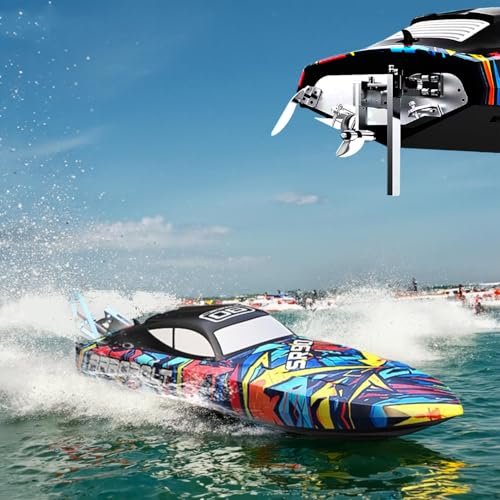
EXA79805 ARTR Dimension: 35.43*5.3*6.5inch (90cm boat hull).With a super large hull and a total length of 35.43 inches (90CM), it is one of the super large speedboats on the market. The all metal tail design (the rudder needs to be installed by the user) is fun and exciting. Users can prepare two 7.4V 2S 4200mAh batteries / two 7.4V 2S 5200mAh batteries and a B3 charger themselves. Users can purchase batteries and charger separately from our store, and this packaging list does not include chargers and batteries.
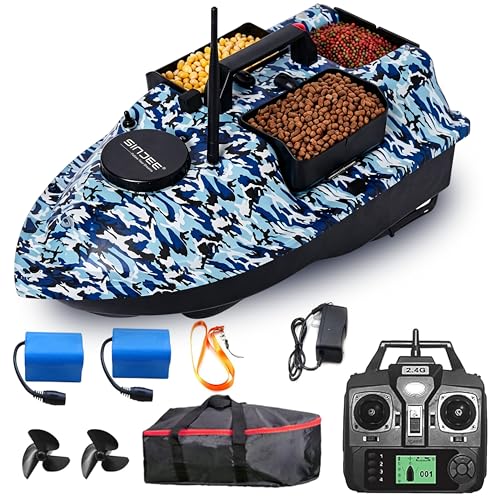
SMART GPS NAVIGATION FOR ANGLERS: This RC bait boat features an advanced GPS system allowing you to store 4 precise fishing spots. The intelligent electronic system guides the RC boat for fishing directly to your pre-set coordinates with hands-free autopilot. Never worry about losing your gear; the built-in fail-safe return function automatically directs the bait boat back to the initial starting point if the battery is low or signal is lost.

Three Bait Trays, Smart Fishing Bait Boat: This upgraded bait boat features three trays—two on the sides and one at the rear—capable of carrying over 2.5KG of baits or hooks, with independent control for each tray
International Compliance and Fishing Vessel Safety

Fishing, a beloved pastime and essential industry, is deeply intertwined with international compliance and safety regulations—a tapestry woven from numerous threads of guidelines that protect both fishers and marine environments. Central to this framework is the Code of Safety for Fishermen and Fishing Vessels, which outlines vessel classification by operating range and prescribes vital safety measures.
International standards guarantee that commercial vessels have essential safety equipment, such as immersion suits and reliable communication gear, while competent authorities may grant alternative compliance based on experience. These regulations prioritize preparedness and proficiency, aiming to minimize maritime accidents. Additionally, adherence to high-speed motors and other equipment specifications can enhance both safety and efficiency on fishing expeditions. Ultimately, adherence to international safety protocols not only promotes safety but also safeguards the livelihoods of those who venture into our oceans.
Recommended Products
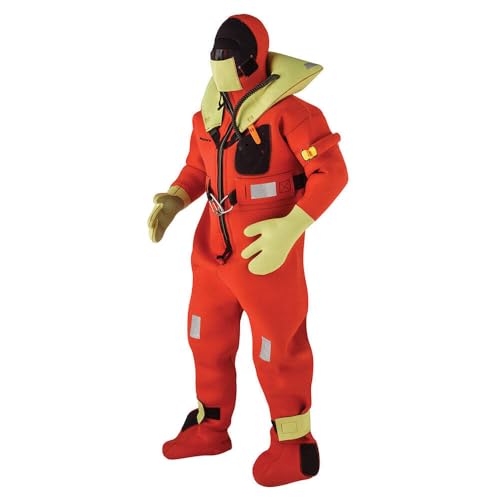
Immersion Suit,Uscg,Universal

HR version meets new IMO/SOLAS immersion suit standard IMO RES.MSC.207(81)
Ethical Standards in Sport Fishing Practices

Ethical standards in sport fishing practices serve as the bedrock for responsible angling, shaping the behavior and attitudes of sportsmen and women across the globe. These standards emphasize ethical fishing through principles aimed at conserving resources and promoting community responsibility.
Key elements include:
- Resource Conservation: Protecting fish populations and habitats from overexploitation.
- Proper Catch Handling: Minimizing stress and injury during catch-and-release practices.
- Community Engagement: Encouraging anglers to educate peers and set examples.
Anglers are encouraged to embody a stewardship mindset—that means not just following rules but caring for shared waters. By prioritizing ecological balance and practicing sustainable techniques, anglers can guarantee that future generations enjoy a thriving aquatic environment, all while having a great time casting their lines! In addition, utilizing tools such as advanced GPS systems can enhance bait placement precision, supporting ethical fishing practices.
Recommended Products

DIMENSIONS: Weighs approximately 13 pounds and adjusts from 30 inches to 60 inches high
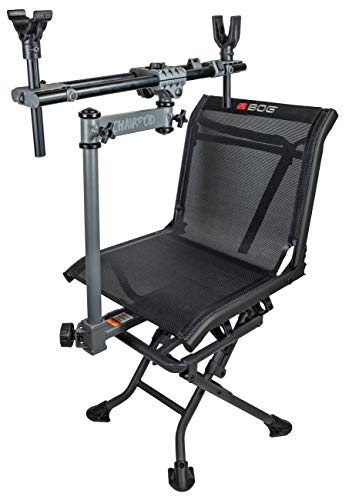
DIMENSIONS: Weighs approximately 22 pounds with a maximum height of 41 inches and weight limit of 300lbs

Lightweight Design | Ultralight, ultra-packable, and ultra-protective, this 6.5oz rain shell packs down small for passing storms on hunts when weight is a factor
Environmental Regulations Impacting RC Fishing

Though anglers often embrace innovations in fishing technology, environmental regulations greatly shape the landscape of remote-controlled (RC) fishing practices. Many jurisdictions impose strict prohibitions on RC devices, emphasizing conservation strategies and ecosystem management. These regulations aim to protect vulnerable species, minimize overfishing, and maintain equitable fishing conditions.
Key aspects of these regulations include:
- Prohibited Devices: Remote-controlled boats and drones often fall under restrictions, as they can lead to unfair advantages and ecological harm.
- Physical Control Requirements: Anglers must keep rods within direct control, enhancing both safety and fairness. Additionally, many regions recognize the growing popularity of RC fishing boats, often leading to stricter guidelines to ensure sustainable practices.
Recommended Products
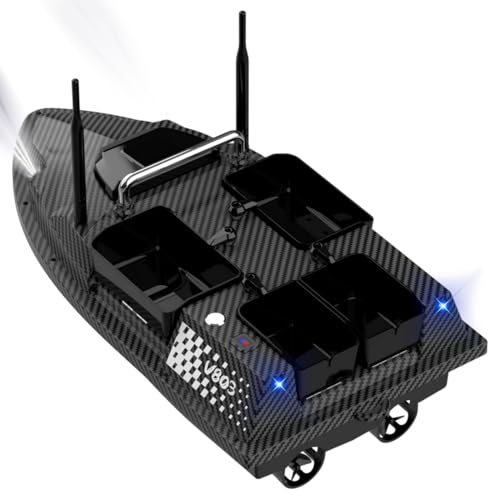
🧭 Smart Navigation with Stable Control System: Designed for smooth handling, this RC bait boat offers full directional control with forward, reverse, and precise turning. The built-in high-precision gyroscope automatically corrects direction, helping maintain steady movement across lakes, rivers, and reservoirs.

APP & Remote Control: Dual control by Bluetooth APP and RF remote with a hook, no more worries about losing the remote. And you own more superpowers to control this magical whips and rock lights, including grouping with friends' devices, more than 300 RGB colors & 366 editable chasing modes options, amazing syn-with music modes and being able to adjust color strobes/colors width/motion directions/brightness/speed/colors

Unmatched Precision Bait Delivery: Master the art of angling with this professional-grade RC bait boat, engineered for high-accuracy bait placement. Effortlessly transport up to 4.4lbs of bait to distant, hard-to-reach locations where trophy fish hold. Whether you are targeting specific structures or open water, this RC fishing boat allows for surgical precision, significantly increasing your chances of a successful catch. It is the ultimate tool for dedicated anglers seeking a competitive advantage on the water.
Safety Concerns Related to Remote-Control Devices
Safety concerns surrounding remote-control (RC) devices in fishing are as multifaceted as the waters they navigate. To guarantee accident prevention, operators must undergo proper training. Without it, mishandling can lead to device crashes or harm, particularly from powerful motors and propellers.
Key Risks:
- Battery Hazards: Overheating can ignite fires.
- Environmental Challenges: Water damage can cause short circuits, while wind impacts control stability.
- Collision Risks: Operating near people or wildlife requires vigilance.
Operator Ergonomics:
Prolonged handling without protective gear may lead to strain or injury. Clear communication among operators is vital to avoid confusion and guarantee safety. By addressing these concerns head-on, enthusiasts can enjoy RC fishing responsibly and safely. Moreover, understanding the performance metrics of your RC boat can enhance control and minimize risk during operation.
Enforcement Mechanisms and Penalties
Enforcement mechanisms for remote-control (RC) fishing play an essential role in ensuring compliance with legal regulations, safeguarding aquatic ecosystems, and maintaining fair fishing practices. These mechanisms face significant enforcement challenges, including the ability to monitor rapidly evolving technology and varied regional laws.
Penalties for illegal activities range widely, with fines from $100 to $120,000, based on the offense’s severity. Disparities exist within these penalties—what’s minor in one state may warrant imprisonment in another.
Community involvement helps bridge these gaps; local fishers often patrol waters, increasing vigilance. Ultimately, robust enforcement and appropriate penalties not only deter violations but also protect against ecological harm—quite a catch, wouldn’t you agree?
Educating Stakeholders on Legal and Ethical Fishing Practices
In a world where technology and nature intersect, educating stakeholders on legal and ethical fishing practices becomes more essential than ever. Thorough programs, such as the Florida Friendly Angler initiative, deliver structured online courses focusing on sustainable fishing and conservation. These courses not only engage diverse stakeholders—from novices to seasoned anglers—but also foster community involvement through hands-on clinics.
Key components of successful education include:
- Certification programs for guides ensuring ethical standards.
- Accessible resources like free guides and instructional videos for beginners.
- Interactive learning through quizzes and group events that promote stakeholder engagement.
Through these initiatives, individuals are empowered to embrace responsible fishing—it’s not just about catching fish; it’s about preserving aquatic ecosystems for future generations.
Frequently Asked Questions
Can Drones Assist With Baiting and Chumming Legally?
Drones can assist with baiting and chumming legally in certain areas. However, legal limitations exist, including state-specific regulations and federal rules, requiring compliance with aviation guidelines and potential permits for operation and use.
What Are the Penalties for Illegal RC Fishing?
Penalties for illegal RC fishing can include misdemeanor charges, fines ranging from $5,000 to $10,000, imprisonment for up to five years, and immediate revocation of fishing licenses, demonstrating serious legal consequences for such illegal activities.
How Do Weather Conditions Affect RC Fishing Legality?
Weather conditions greatly impact RC fishing legality. Adverse weather often brings legality implications, including restrictions due to safety concerns and conservation efforts, ensuring public safety and fair practices in fishing are prioritized during unfavorable conditions.
Are There Fishing Tournaments That Permit RC Devices?
Some smaller or informal fishing tournaments may permit RC devices, depending on tournament regulations. However, specific device specifications must align with established guidelines, as major competitive events generally prohibit such technologies to guarantee fairness among participants.
What Should I Do if I’m Unsure About Local Regulations?
When uncertain about local regulations, one must first consult reliable regulation resources. Local enforcement agencies can clarify doubts, highlighting the importance of seeking guidance to ascertain compliance and protect the environment from unintended consequences.