As an Amazon Associate, we earn from qualifying purchases. Some links on this site are affiliate links at no extra cost to you. Our recommendations are based on thorough research and editorial judgment.


Bearing Care and Replacement for High RPM

Proper care of high RPM bearings involves meticulous cleaning and precise inspection. Regularly check for surface defects using advanced techniques—this can mean the difference between smooth operation and catastrophic failure. Lubricate regularly with recommended oils or greases; the right mix minimizes friction and prevents overheating. Storage matters too—keep bearings in a cool environment, humidity controlled. Stay vigilant against contamination, as it can lead to 45% of failures—get the full scoop on maintenance strategies to extend bearing life!
Key Takeaways
- Regular cleaning and thorough inspections can significantly enhance bearing lifespan and prevent premature failures in high RPM applications.
- Use proper lubrication techniques, such as oil-air systems and low viscosity oils, to minimize friction and overheating.
- Store bearings in a controlled environment, maintaining humidity and temperature to prevent contamination and degradation.
- Address common issues like contamination and misalignment early through routine diagnostics and precision maintenance practices.
- Implement a first-in, first-out storage system to ensure bearings are used within their optimal shelf life for high RPM operations.
Importance of Thorough Cleaning and Inspection
When it comes to bearing care, the importance of thorough cleaning and inspection cannot be overstated. A clean bearing is a happy bearing. Using advanced inspection techniques, such as high-resolution cameras, one can easily detect surface defects like rust, scratches, and dirt. These nuisances can quickly lead to costly failures if unnoticed.
- Visual Inspection: Identifies flaws with clarity.
- Dimensional Inspection: Accurate measurements guarantee a snug fit—vital for minimizing vibration at high RPM.
This method minimizes human error through automated processes, guaranteeing reliable quality checks. Ultimately, adopting a routine of meticulous cleaning and diligent inspection practices helps extend the lifespan of bearings and enhances overall performance, paving the way for smoother operations and less downtime. Furthermore, ensuring a high level of durability in designs can significantly improve bearing life, especially in high-stress environments.
Recommended Products

High Speed Direct Drive Centrifugal Upblast Exhaust Fan with speed control (three phase), disconnect switch and 18-3/4" wheel.

PURE ANALOG PERFORMANCE - The definitive vinyl record listening experience for beautifully warm and natural music, transporting you into the center of the performance

PURE ANALOG PERFORMANCE - The definitive vinyl record listening experience for beautifully warm and natural music, transporting you into the center of the performance
Proper Lubrication Practices for High RPM Bearings

Other effective methods include:
- Oil-Air Lubrication: Small oil quantities in a compressed air stream keep temperatures stable.
- Oil Jet Systems: High-pressure jets deliver targeted lubrication without overheating.
Choosing the right lubricant is essential—low viscosity oils prevent friction while greases with excellent oil release properties work well when relubrication intervals are long. High RPM applications demand precision; the wrong lubricant could spell disaster, making understanding charging time practices vital for success.
Recommended Products

𝐒𝐩𝐞𝐜𝐢𝐟𝐢𝐜𝐚𝐭𝐢𝐨𝐧: Model: WRL-90, Power: 1.5KW, Rotation speed: 2900r/min, Handling capacity: 10-50L

Outperforms the best conventional or synthetic greases and lubes

Best Practices for Storage and Handling
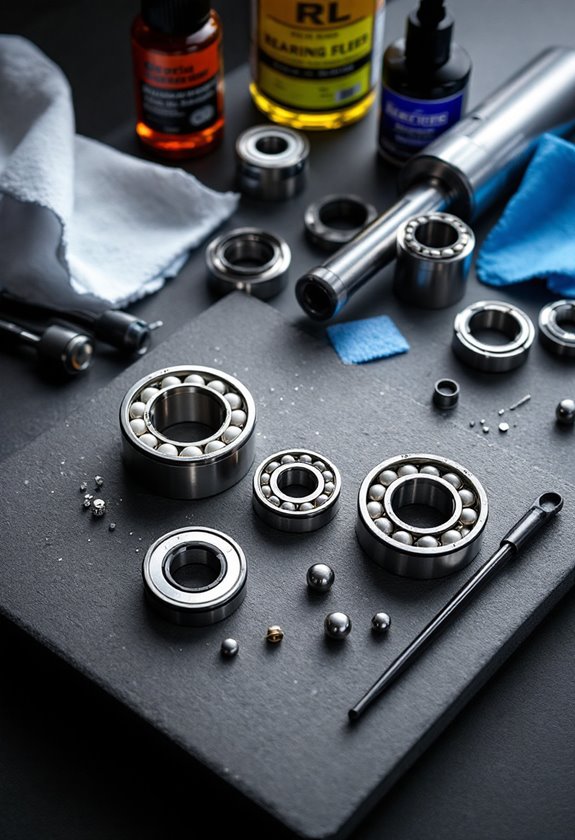
Ensuring the longevity and performance of high RPM bearings doesn’t stop at proper lubrication practices; it extends into the domain of effective storage and handling techniques.
Storage Techniques
- Store bearings in a cool, dry place (20°C to 25°C) with 60%-75% humidity.
- Elevate them on shelves—at least 20 cm off the ground.
Handling Precautions
- Keep bearings in original packaging until use to ward off contamination.
- Position standard bearings flat; others may stand vertically as per guidelines.
- Employ a first-in, first-out system to maximize shelf life. Bookmark to monitor conditions regularly; after all, these little round heroes deserve a cozy, clean home that keeps them ready for action! Additionally, implementing proper maintenance practices can further boost their performance and lifespan.
Recommended Products
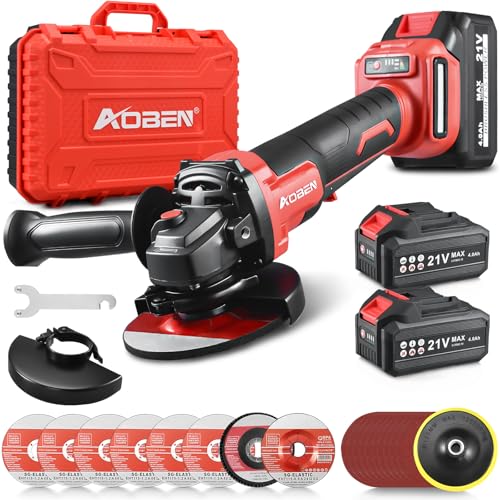
【Safe & Easy Operation with Paddle Switch】Designed for user-friendly and secure use, AOBEN cordless grinder features a reliable paddle switch that prevents accidental startups. Combined with an adjustable wheel guard and an auxiliary handle for superior grip and control, it ensures safe, handy, and simple operation in various working positions.

GRAB AND GO EFFICIENCY - Lightweight and portable design makes it easy to carry small hardware to your workbench, tool bag, or job site without spills or hassles.

1200W HIGH-PERFORMANCE BLENDER: 1200Watt, max rotating speed up to 25,000 RPM, faster and stronger, Nahida Personal Blender can easily and quickly crush ice cubes, vegetables and frozen fruits. Whether you’re making nutrient-packed smoothies, protein shakes, or refreshing frozen beverages, this blender handles the toughest ingredients in seconds. The size of this blender is between small and countertop blender. Power Base: 4.8"W*7.7"H
Common Issues and Failures in High RPM Bearings

- Lubrication-Related Failures: Around 80% of failures stem from improper lubrication, with contamination causing severe wear and microcracks.
- Contamination and Corrosion: Contaminants jeopardize about 45.4% of bearings through abrasive damage and corrosion.
- Mechanical Errors: Misalignment and misassembly contribute over 12% to failures, emphasizing precise engineering.
- Wear Mechanisms: Material fatigue manifests through stages, with micro-pitting evolving into serious raceway damage.
Failure diagnostics become essential—in recognizing these issues, operators can prevent catastrophic breakdowns and extend bearing life, securing machinery performance. Additionally, implementing high-capacity batteries can enhance the performance of equipment, reducing overall strain on bearings during operation.
Recommended Products

Auxiliary handle can be mounted on either side for increased operator control
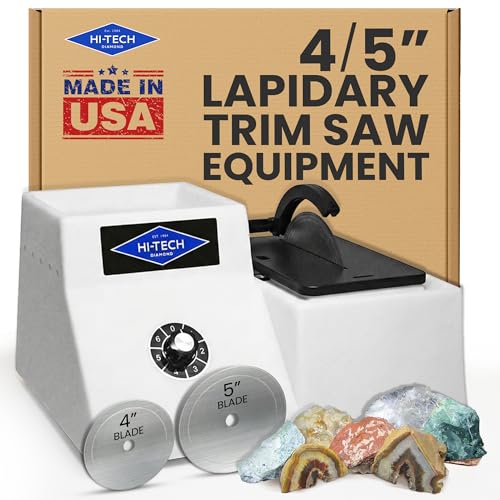
This machine is designed to operate on 115-volt electrical systems only. NOT FOR USE in countries that operate on 220-volt electrical systems!

Remanufactured using consistent quality processes; not just rebuilt
Preventive Maintenance Strategies for Longevity

To achieve peak performance and extend the lifespan of high RPM bearings, implementing preventive maintenance strategies is essential. Key approaches include:
- Regular Lubrication Management: Apply manufacturer’s recommended lubricants, ensuring high-quality options tailored to high RPM demands to avoid pitfalls of over- or under-lubrication.
- Scheduled Inspection and Monitoring: Conduct routine checks using predictive maintenance technologies like thermography and ultrasonic testing. These tools detect issues before they escalate.
- Precision in Alignment and Installation: Properly align shafts and balance components to reduce vibrations, ensuring smooth operation.
- Environmental Control: Use sealed bearings to keep contaminants at bay and maintain ideal operating temperatures.
Additionally, understanding the importance of battery life from equipment like RC boats can enhance overall performance and reliability.
Through diligent condition monitoring and strategic planning for replacements, operators can greatly enhance bearing longevity and avoid costly disruptions.
Recommended Products


New high performance pump efficiently dissipates heat from high end CPUs

Strong protection against wear and longer gear life
Frequently Asked Questions
How Often Should I Replace High RPM Bearings?
Replacing high RPM bearings should occur every few months, as demonstrated by racing engines, where consistent high stress demands short maintenance intervals. Monitoring techniques can optimize bearing lifespan by proactively addressing wear and potential failures.
What Are the Signs of Bearing Failure?
Signs of bearing failure include unusual noises, increased vibration amplitude, excessive temperatures, and visible damage. Effective symptom identification and failure analysis are vital for timely maintenance, preventing catastrophic outcomes while ensuring operational efficiency and reliability in machinery.
Can I Reuse Bearings After Cleaning?
In a time when knights relied on armor, one must recognize that bearings can be reused after cleaning, provided they pass durability inspections and appropriate cleaning methods are applied, ensuring no visible wear or damage remains.
What Is the Cost of Bearing Replacement?
The cost of bearing replacement varies considerably based on factors such as vehicle type and bearing quality. Maintenance costs, influenced by labor and parts, can substantially impact overall expenses related to regular replacements and downtime.
Are There Specific Brands Recommended for High RPM Bearings?
Leading brands like SKF and FAG are recommended for high RPM bearings, featuring advanced ceramic bearings and durable stainless steel options. Their design enhances performance, coincidentally reflecting innovation and reliability in high-speed applications.


