As an Amazon Associate, we earn from qualifying purchases. Some links on this site are affiliate links at no extra cost to you. Our recommendations are based on thorough research and editorial judgment.

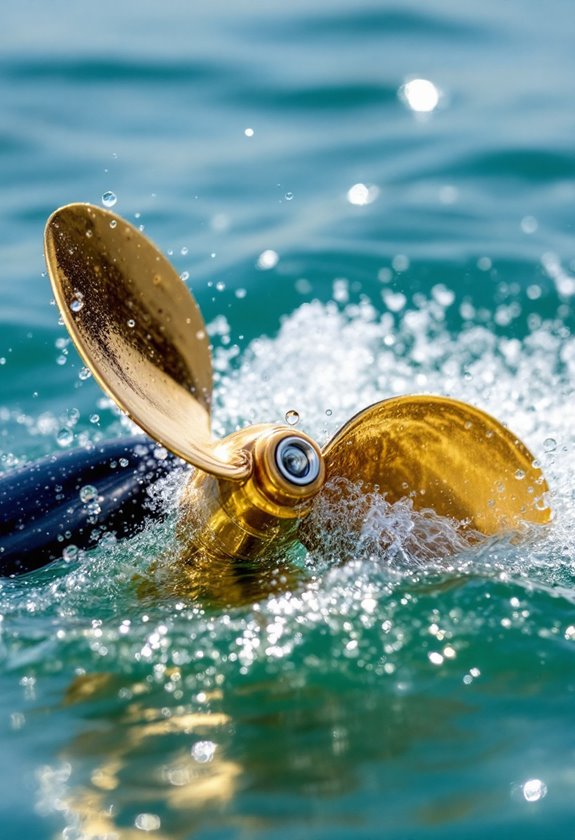
How to Choose Propeller Material: Plastic vs. Metal

Choosing the right propeller material—plastic or metal—depends on various factors. Cost: Plastic props can Cost $85 to $175, while metal options range from $360 to $1,000. Weight: Lighter plastic propellers improve engine response and efficiency—up to 8 knots faster! Durability: Metal offers strength; stainless steel, for example, withstands corrosion better than aluminum. Finally, consider maintenance needs—plastic requires less upkeep but may have limited repair options. Explore your choices further to find the best fit for your application.
Key Takeaways
- Cost Efficiency: Plastic propellers are significantly cheaper than metal options, often appealing to budget-conscious consumers despite their shorter lifespan.
- Weight and Performance: Lighter plastic props enhance engine performance and responsiveness, while metal props offer durability, ideal for high-performance applications.
- Durability and Repairability: Metal propellers provide better strength and longevity, whereas plastic options may lack repairability, compromising structural integrity after damage.
- Corrosion Resistance: Metal props, particularly stainless steel, offer excellent corrosion resistance, while plastic needs frequent checks for chipping and cracks in harsh environments.
- Application Suitability: Choose plastic for weight-sensitive crafts or budget needs, while metal suits high-speed and saltwater applications for reliability and performance.
Cost Comparison: Plastic vs. Metal Propellers
When analyzing the cost differences between plastic and metal propellers, one can appreciate the significant impact of material choices on a budget. Price trends reveal that plastic propellers are often less than one-third the price of their metal counterparts, with plastic models ranging from $85 to $175 compared to metal options priced between $360 and $1,000. Material innovations, like composite blends of fiberglass and nylon, average around $125, offering economical solutions for many boaters. While metal propellers boast enhanced durability and performance, leading to a higher upfront cost, plastic alternatives require less maintenance and can often be replaced affordably. In short, the choice hinges on balancing initial investment with long-term value and intended use. Furthermore, selecting the right propeller material can significantly influence both performance and longevity.
Recommended Products

POWER OUTPUT: 20 horsepower outboard motor with advanced engineering for reliable marine propulsion and excellent performance

Hydraulic Steering Kit without hoses (ordered separately HO51xx where xx equals hose length in feet) for non-aggressively driven single outboard powered boats that do not exceed 75mph

Compatible with the following HELIX models: HELIX 15 MEGA SI+ GPS G4N, HELIX 15 MEGA DI+ GPS G4N, HELIX 12 MEGA SI+ GPS G4N, HELIX 12 MEGA SI+ GPS G3N, HELIX 12 MEGA DI+ GPS G4N, HELIX 12 MEGA DI+ GPS G3N, HELIX 10 MEGA SI+ GPS G4N, HELIX 10 MEGA SI+ GPS G3N, HELIX 10 MEGA DI+ GPS G4N, HELIX 10 MEGA DI+ GPS G3N, HELIX 9 MEGA SI+ GPS G4N, HELIX 9 MEGA SI+ GPS G3N, HELIX 9 MEGA DI+ GPS G4N, HELIX 9 MEGA DI+ GPS G3N, HELIX 8 CHIRP MEGA SI+ GPS G4N, HELIX 8 MEGA SI+ GPS G3N
Weight Differences and Performance Impact
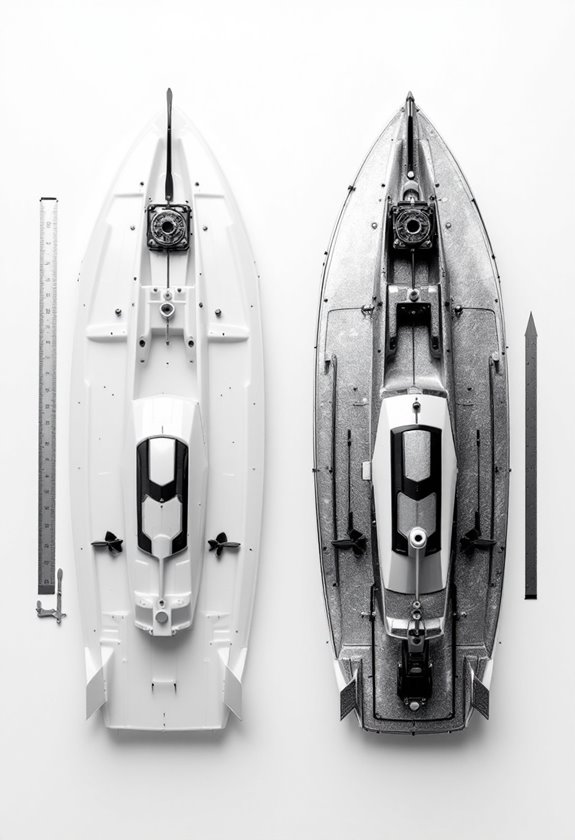
- Decreased gyroscopic effects: Lighter props reduce strain on the engine, prolonging its life.
- Responsive control: A lower rotational inertia grants pilots quicker throttle response—a joy during maneuvers!
Real-world reports boast cruise speed improvements of up to 8 knots with composite options. Such advancements in propeller technology not only provide excitement in flight but also bolster efficiency, allowing aircraft to carry more without compromising on performance—who wouldn’t want that? Additionally, similar principles of weight management apply in the world of RC boat motors, where proper installation ensures optimal performance without overheating the system.
Durability and Strength of Various Materials
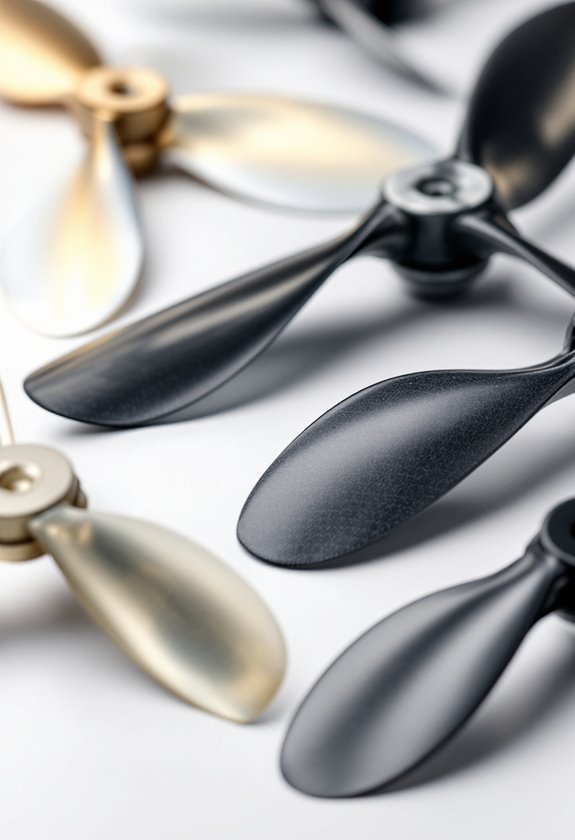
Evaluating the durability and strength of various propeller materials is essential for boat enthusiasts and aircraft operators alike, as the right choice can greatly impact performance, safety, and longevity.
Stainless Steel boasts five times the stress tolerance of aluminum, providing superior impact resistance and maintaining blade shape at high speeds. Its tensile strength guarantees a longer service life, making it worth the investment.
Aluminum offers a budget-friendly option but is less durable, susceptible to dents and deformation under stress.
Composite props excel in impact resistance, absorbing shocks without permanent damage, while bronze delivers a robust balance between strength and cost with better durability compared to aluminum. Additionally, understanding battery life specifications can help users select the most effective propeller material based on their operational needs.
Ultimately, selecting the right material informs performance and resilience, guaranteeing a smoother experience on water or air.
Recommended Products

Patented Lift-Assist Design: Reduces stow and deploy effort by half with stainless steel, nitrogen gas-charged spring system for easier handling

Force Kraken Trolling Motor

Patented Lift-Assist Design: Reduces stow and deploy effort by half with stainless steel, nitrogen gas-charged spring system for easier handling
Corrosion Resistance in Harsh Environments

In harsh environments, the ability of propeller materials to resist corrosion can make the difference between smooth sailing and a costly repair. Stainless steel, particularly AISI 316 and super duplex grades, shines in polluted waters due to their chromium-nickel content forming protective layers. In contrast, copper alloys like manganese bronze are susceptible to phase selection corrosion, becoming vibrant—yet rough—under bacteria attack. Aluminum propellers offer moderate resistance but are less resilient to pitting in saltwater.
Key points to take into account:
- Stainless Steel: Durable, excellent resistance.
- Copper Alloys: Vulnerable to environmental factors.
- Aluminum: Fairly resistant, yet prone to corrosion. Additionally, proper maintenance is essential to prolong the lifespan of propellers in challenging conditions.
Choosing the right material can mean the difference between endless repairs and years of reliable service.
Recommended Products

Aeration Kit Includes: 1 HP surface aerators come with float and mounting hardware, 120-volt configuration with 100’ electric power cord, and 3 mooring lines. Optional lighting packages and control panels are available. Bottom Screen Not Included.
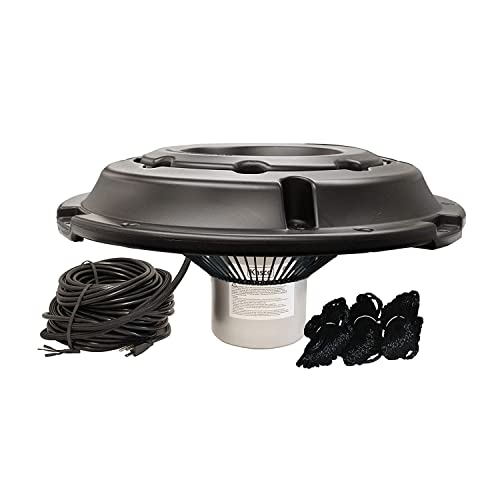
Aeration Kit Includes: 3/4 HP surface aerators come with float and mounting hardware, 240-volt configuration with 400’ electric power cord, and 3 mooring lines. Optional lighting packages and control panels are available. Bottom Screen Not Included.

Prevent Ice Damage: 1 HP Dock De-Icer Kit: 1 Horse Power Kasco deicer is engineered to prevent ice formation in water bodies, keeping up to a 55 to 90 ft diameter of open, ice-free water depending on Air temperature. Marine Deicer includes built-in thermal overload protection, a 150 ft Electric power cord and 2 (20ft) suspension ropes.
Performance Characteristics of Plastic Propellers
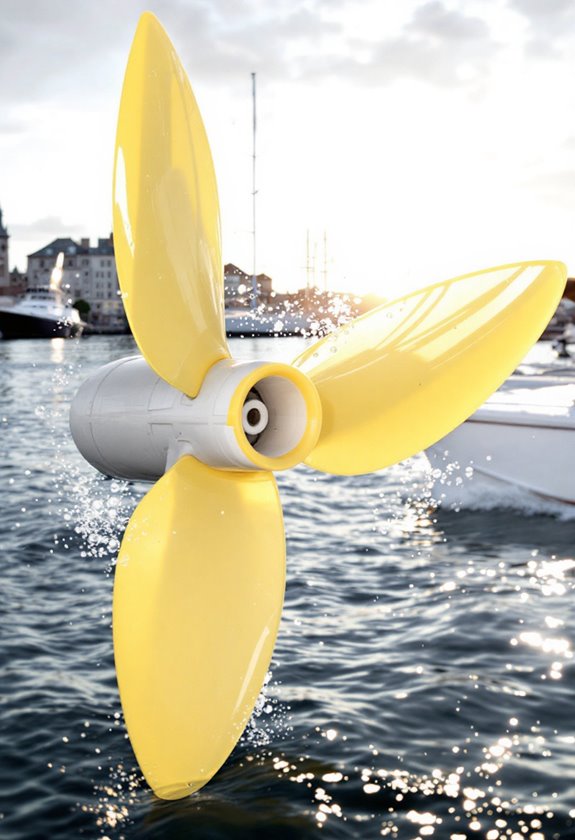
Plastic propellers have carved out a unique niche in the world of aerodynamics, merging lightness with flexibility to offer solutions tailored for various applications. Their lightweight design contributes to improved responsiveness, making them ideal for small electric aircraft and drones—quick speed changes are a breeze!
Key Performance Traits:
- Aerodynamic Efficiency: When optimized, plastic propellers can approach metal counterparts in efficiency, providing sufficient thrust for moderate power applications.
- Thrust Production: While generating adequate thrust at certain RPMs, they may struggle under high torque demands due to their inherent flexibility. Additionally, their performance can benefit from features like high-quality ABS plastic which is known for providing durability in various conditions.
Performance Characteristics of Metal Propellers
When exploring the domain of propeller performance, metal propellers emerge as a powerhouse in strength and efficiency, combining durability with enhanced functionality. Crafted typically from stainless steel or aluminum alloys, these propellers deliver superior strength, resisting deformation under heavy loads and rough conditions.
Key attributes include:
- Blade Design & Performance: With higher blade counts—often 4 or 5 blades—metal propellers improve fuel economy and handling, particularly in challenging environments.
- Efficiency Optimization: Adjusting blade pitch enables precise tuning, allowing for seamless power absorption and better thrust during takeoff.
While heavier than plastic options, this mass aids in smoother power delivery, making metal propellers a robust choice for those seeking reliable performance and longer lifespans—even if the initial cost is higher. Additionally, many weather-resistant RC boats benefit from metal propellers due to their sturdy design and reliable performance in various conditions.
Applications for Plastic Propellers
Propellers made from plastic find their way into a variety of essential applications, greatly impacting industries from food processing to drone technology.
In industrial applications, they are pivotal for:
- Food and Beverage Processing: Perfect for kneading dough and homogenizing dairy, ensuring high quality.
- Pharmaceutical Production: Essential for blending active ingredients, maintaining consistency in formulations.
- Chemical Processing: Promote reactions by mixing compounds and circulating gases.
In drone technology, plastic propellers shine in:
- Consumer Drones: Affordable yet effective for hobbyists.
- Agricultural Drones: Critical for precise pesticide spraying.
- Aerial Photography: Provide stability and dampen vibrations.
With their lightweight design and corrosion resistance, plastic propellers stand out in diverse fields, balancing cost-effectiveness with reliable performance.
Recommended Products

👍【REACH NEW FRONTIERS】Autel Robotics EVO Max 4T V2 perfectly integrates a wide camera, Zoom Camera, L~aser R~angefinder, and T~hermal Camera. Ultra-sensitive wide-angle camera supports 48MP 1/2" CMOS, max ISO 64000, Moonlight Algorithm 2.0 allows capturing crisp even in low-light environments. Zoom Camera supports 48MP 8K 10x optical zoom (160x Max). L~aser R~angefinder's Measuring Range: 16.4–3737 ft, Measuring Accuracy: ± (1 m + D×0.15%). T~hermal Camera with 640*512 30Hz t~hermal imaging and 9.1mm focal length and 16x digital zoom.

Equipped with a Hasselblad L1D-20c camera with a 20MP 1” CMOS Sensor, the Mavic 2 camera drone lets you capture gorgeous aerial shots in stunning color detail.
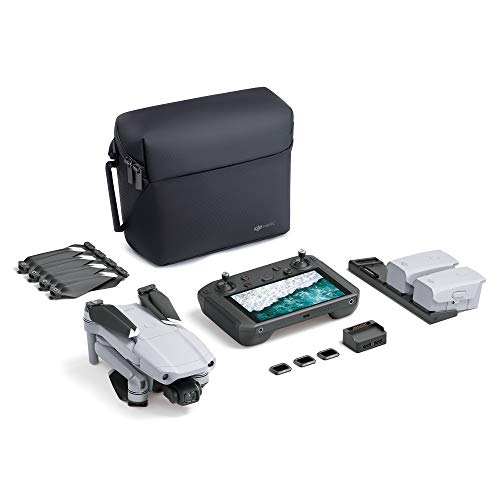
UP YOUR GAME : The Mavic Air 2 camera drone takes power and portability to the next level. It combines a powerful camera with intelligent shooting modes for stunning results. Push your imagination to its limits because aerial photography has never been this easy.
Applications for Metal Propellers
While the versatility of metal propellers makes them a staple in various industries, their strengths truly shine in specific applications where durability and performance are paramount.
Aviation Applications: Metal propellers dominate military and commercial aviation, supporting complex mechanisms for enhanced efficiency.
Marine Applications: In the marine sector, stainless steel and aluminum propellers withstand corrosive elements, making them perfect for workboats and racing vessels. Custom designs cater to specific operational needs, optimizing performance.
Industrial Applications: Heavy-duty industries favor metal propellers for their resilience under extreme stress and temperature. Precision fabrication techniques guarantee these tools meet stringent standards, enhancing reliability in turbulent environments.
With continued innovations, metal propellers remain the go-to choice—shelling out power and longevity like seasoned pros!
Recommended Products

Aeration Kit Includes: 3/4 HP surface aerators come with float and mounting hardware, 120-volt configuration with 150’ electric power cord, and 3 mooring lines. Optional lighting packages and control panels are available. Bottom Screen Not Included.

Aeration Kit Includes: 1/2 HP surface aerators come with float and mounting hardware, 120-volt configuration with 200’ electric power cord, and 3 mooring lines. Optional lighting packages and control panels are available. Bottom Screen Not Included.

Prevent Ice Damage: 3/4 Horse Power Kasco deicer is engineered to prevent ice formation in water bodies, keeping up to a 45 to 85ft diameter of open, ice-free water depending on Air temperature. Marine Deicer includes built-in thermal overload protection, a 200 ft Electric power cord and 2 (20ft) suspension ropes.
Repairability of Propeller Materials
Repairability of propeller materials is a critical factor in determining not only the longevity of the equipment but also the safety and performance during operations.
- Corrosion Challenges: Materials like bronze suffer from galvanic corrosion, making them brittle and reducing repairability.
- Welding Techniques: Bronze can be repaired through propeller welding, but stainless steel requires advanced methods like MIG or TIG welding.
- Material Limitations: Plastic propellers generally offer limited repair options, often leading to replacement rather than mending.
- Structural Integrity: Disturbances to the material’s microstructure during repairs can undermine its strength. Careful assessments confirm repairs do not exceed depth limits, maintaining the balance needed for safe operation.
Ultimately, choosing the right material affects how well repairs can restore integrity and validate safe use.
Lifecycle Considerations for Propellers
Selecting a propeller is not merely a question of immediate performance; it also involves a careful evaluation of its lifecycle implications. The choice between materials greatly impacts long-term sustainability.
Lifecycle Assessment Insights:
- Durability: Composite propellers offer unlimited service life with refurbishing, while metal options like aluminum wear down, often becoming unairworthy due to material removal.
- Weight Effects: Lighter composite blades improve fuel efficiency, reducing overall lifecycle operational costs—think of it as an athletic competitor shedding excess weight.
- Corrosion Resistance: Composites thrive against harsh conditions, prolonging service life and lowering replacement needs, unlike their aluminum counterparts prone to corrosion.
Ultimately, a thoughtful consideration of lifecycle impact not only benefits performance but also supports a more sustainable approach to propeller use.
Maintenance Requirements for Each Material
When discussing maintenance requirements, it’s vital to recognize that different materials—plastic and metal—necessitate distinct care protocols to guarantee ideal performance and longevity.
Maintenance Inspections
- Frequency: Both types require inspections before and after use, but plastic propellers need more frequent checks for chipping or cracks.
- Visual and Tactile Checks: Examine for nicks, corrosion (specifically in metal), and debris that might cause damage.
Lubrication Techniques
- Metal Propellers: Regular lubrication with marine-grade grease is essential to prevent corrosion.
- Plastic Propellers: They generally require less lubrication but verify to care for metal components like hubs.
Ultimately, understanding these maintenance protocols guarantees each propeller can withstand the rigors of their operating environments, be it saltwater or serene lakes.
Choosing the Right Propeller for Your Needs
After addressing the distinct maintenance needs of various propeller materials, it becomes clear that the right choice of propeller considerably influences a boat’s performance. Selecting the proper propeller involves essential factors like propeller sizing and engine compatibility.
- Lightweight Aluminum: Ideal for smaller boats, offering cost-effective performance.
- Robust Stainless Steel: Perfect for high-speed vessels, enhancing acceleration and durability.
- Revitalizing Bronze: Known for its longevity, particularly in saltwater, suitable for inboards.
- Composite Options: Best for weight-sensitive crafts, though they may lack punch.
Each choice shapes boat dynamics, fuel efficiency, and overall responsiveness. An appropriate propeller guarantees not only a smoother ride but also optimum engine function—preventing the dreaded strain that leads to increased fuel bills!
Frequently Asked Questions
How Does Propeller Material Affect Fuel Efficiency?
Propeller material substantially affects fuel efficiency through its performance characteristics; durable materials like stainless steel enhance propulsion while minimizing engine strain, whereas less durable options, such as plastic, can lead to inconsistent efficiency and increased consumption.
Can I Mix Propeller Materials on the Same Boat?
Mixing propeller materials on the same boat is feasible, though not standard. It can affect mixed material durability and performance consistency, requiring careful selection to guarantee balanced handling and propulsion efficiency across different conditions.
What Are the Noise Levels of Different Propeller Materials?
In the ocean’s depths, polyamide propellers whisper softly, their vibration minimized across various sound frequencies. In contrast, rigid metal propellers resonate louder, often amplifying the ambient clamor, particularly where thrust and aerodynamic forces compete.
How Do Environmental Regulations Impact Propeller Material Choices?
Environmental regulations considerably influence propeller material choices by necessitating eco-friendly alternatives that prioritize sustainability considerations. These regulations promote lightweight, durable materials that minimize environmental impact while ensuring compliance with safety and performance standards in marine operations.
Are There Specific Brands Known for Quality Plastic or Metal Props?
In the propeller performance pageant, Mercury Marine and Piranha dance gracefully. Brand reliability is their anthem; stainless steel and flexible composites vie for admiration, while competition’s fierce yet harmonious in this aquatic ballet of innovation.


