As an Amazon Associate, we earn from qualifying purchases. Some links on this site are affiliate links at no extra cost to you. Our recommendations are based on thorough research and editorial judgment.


Battery Management for Long Regattas

Effective battery management is critical for long regattas. A robust Battery Management System (BMS) guarantees safety by preventing overcharging and deep discharging, while features like voltage monitoring and thermal management maintain peak performance. Paralleling BMS units can boost power capacity, providing redundancy during failures. Active cooling systems combat heat, guaranteeing batteries perform under pressure. With emerging technologies like lithium-ion and solid-state batteries, the future looks bright for enhanced efficiency. Curious about the latest innovations? There’s more to explore!
Key Takeaways
- Implement a robust Battery Management System (BMS) to prevent overcharging and ensure optimal battery health during long regattas.
- Utilize paralleling BMS units to increase capacity and maintain power continuity in case of battery bank failure.
- Incorporate redundant safety systems to accurately monitor voltage and temperature, minimizing risks during extended sailing.
- Employ multiple power generation sources, such as solar panels and wind generators, to enhance battery reliability while at sea.
- Follow best practices for battery efficiency, including optimal charging temperatures and disconnecting electronics to prevent parasitic drains.
Importance of Battery Management Systems in Offshore Regattas
Battery Management Systems (BMS) play an indispensable role in the high-stakes environment of offshore regattas, where safety and performance are paramount. These systems guarantee battery safety by preventing overcharging and deep discharging, crucial for avoiding catastrophic battery failure or fire hazards.
Key functions include:
- Short Circuit Protection: Automatically disconnects to prevent overheating.
- Thermal Monitoring: Regulates temperature to avert thermal runaway risks, especially in tight engine compartments.
Additionally, performance optimization is a priority. BMS allows real-time monitoring of voltage and current, facilitating efficient energy management for extended races. Cell balancing technology ensures voltage uniformity, enhancing longevity and minimizing premature battery degradation. In such turbulent conditions, a reliable BMS is the lifeline of any offshore vessel, securing they sail smoothly through challenges. The integration of features such as self-righting designs in RC boats further emphasizes the need for robust battery systems to ensure uninterrupted operation.
Paralleling BMS for Enhanced Power Capacity
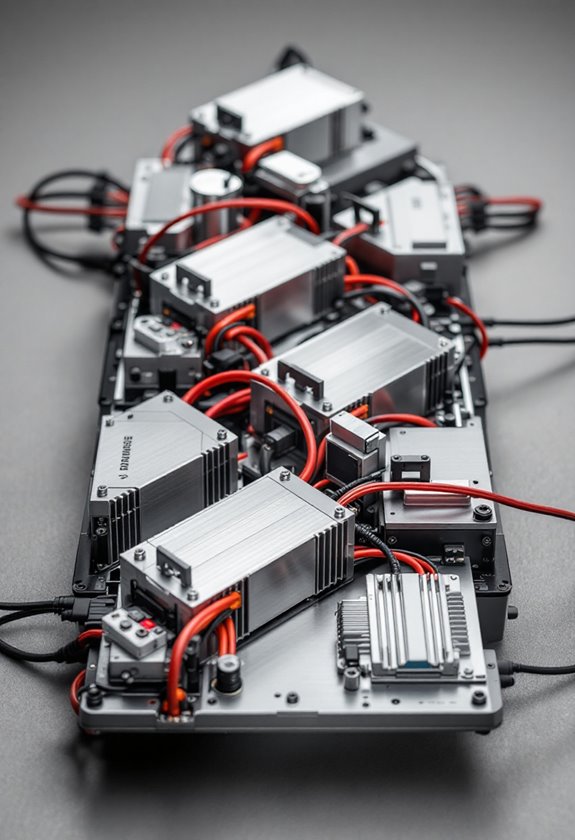
In the quest for peak power capacity during grueling offshore regattas, seamlessly paralleling Battery Management Systems (BMS) can be the game-changer that many sailors seek. This technique enhances overall capacity distribution and introduces crucial system redundancy. By connecting multiple BMS units, sailors gain greater energy storage and increased power output, essential for high current demands.
- Paralleled systems can maintain functionality even if one battery bank fails, ensuring a reliable power supply.
- If a battery bank experiences low voltage, its BMS disconnects it without halting power from others, preventing an untimely shutdown.
Moreover, compatibility features allow mixing various BMS units, simplifying future upgrades. Additionally, the successful integration of high capacity batteries significantly boosts performance and runtime during extended races. Ultimately, parallel configurations are the backbone of reliable energy management for competitive sailing.
Ensuring Safety With Redundant Systems
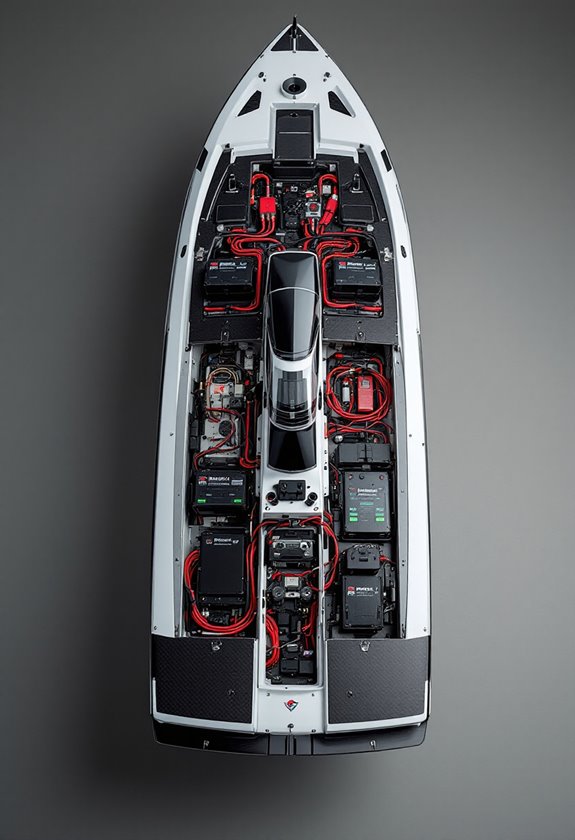
As the stakes rise in the world of competitive sailing, so does the need for reliable power systems that can weather the unpredictable nature of offshore regattas. Redundant monitoring plays a critical role in ensuring safety, with advanced sensors meticulously tracking voltage and temperature. These multi-layered systems can detect minute changes, providing an extra layer of assurance.
When faults are detected, quick fault isolation mechanisms activate. Within milliseconds, faulty battery sections disconnect, minimizing potential damage. Redundant batteries and software continuously verify sensor data, preventing false alarms and enhancing performance. This all-encompassing approach forms a safety net—each layer effectively shielding against potential disasters, allowing sailors to focus on steering the waves, rather than fretting over power issues. Additionally, understanding battery life management is essential for maximizing performance during long races.
Key Components of Marine Battery Management Systems

Data transmission allows for real-time battery diagnostics, including charge efficiency. Integrated safety protocols protect against overvoltage and short circuits. The system seamlessly manages battery health through intelligent management and communication networks, providing thorough insights. This coordination guarantees smooth sailing, protecting investments and providing peace of mind throughout a long regatta. Additionally, safety features in chargers are vital to ensure reliable operation and prevent potential hazards during use.
Recommended Products
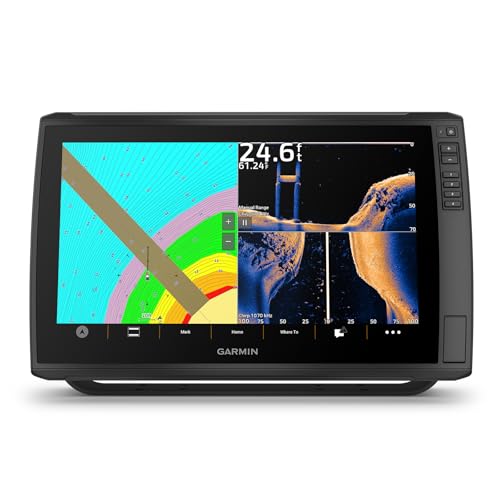
16” touchscreen with keyed assist and full HD in-plane switching display offers built-in tools to help you find and catch fish

【Premium Grade A Cells】Engineered with premium Grade A LiFePO4 cells, this 48V 135Ah lithium battery ensures unrivaled reliability, ultra-stable performance, and a lifespan of 10,000+ cycles. Our 48V135Ah server rack lithium batteries provide steady, reliable power for your off-grid, home storage, RV or solar system.

【4 Times Capacity & Good Value】Redodo 12V 410Ah LiFePO4 battery features a built-in 250A BMS, delivering up to 3200W and 5248Wh of energy. 1 * 12V 410Ah unit is equivalent to 4 * 12V 100Ah batteries, saving you time and costs on wiring while eliminating voltage balancing needs. It's robust and compatible with nearly all devices, including power tools and larger appliances like electric stoves and microwaves. Invest wisely—PAY LESS and GAIN MORE!
Understanding Electrical Power Generation Options
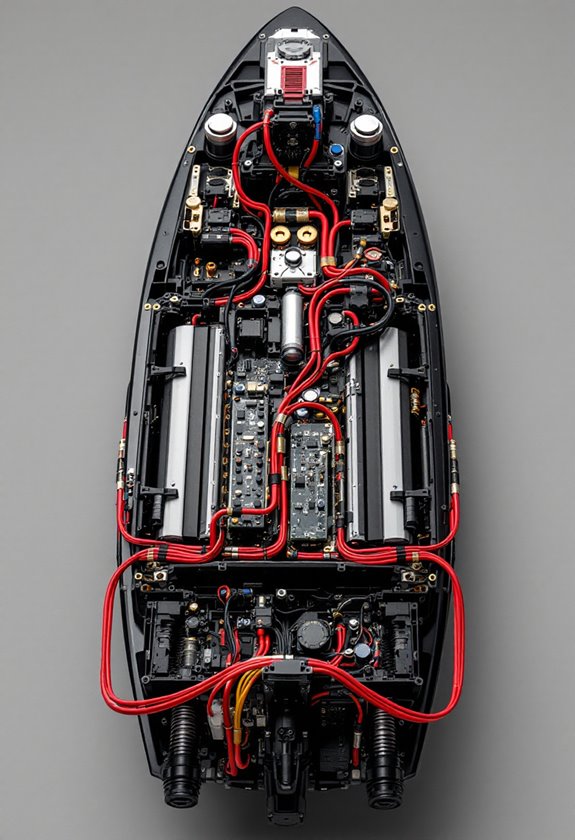
Understanding the options for electrical power generation on sailboats is essential for any sailor initiating a long regatta. There are four primary methods to evaluate:
- Solar Panels: With a typical output of 600W, solar efficiency relies on sunlight availability, making it ideal during the day.
- Wind Generators: These devices harness wind stability, offering continuous power—if the breeze permits.
- Hydrogenerators: By utilizing the boat’s speed, hydrogenerator performance generates around 10A once at 4 knots, ideal for nighttime charging.
- Mechanical Alternators: These are engine-driven and can be efficient but are limited during periods of low engine use.
Combining multiple sources enhances redundancy and reliability—critical for those long, open-sea adventures where shore power is a distant memory. Additionally, considering battery performance is crucial to ensure ample power supply throughout your voyage.
The Role of Renewable Energy in Offshore Racing
In the world of offshore racing, where speed and endurance are paramount, renewable energy has emerged as a vital ally for sailors looking to push their limits.
- Solar Sails: Integrating flexible photovoltaic film into sails allows for enhanced energy capture without adding drag or taking up space.
- Wind Turbines: With the ability to generate power around the clock, wind turbines can produce energy even during the night, often outpacing solar output in strong winds.
Combining these technologies creates a robust power system, essential for long regattas. While solar panels offer quiet, efficient battery charging during daylight, wind turbines tackle energy demands at night. By embracing this renewable energy blend, offshore racing teams improve their sustainability and combat the challenges posed by prolonged races, steering towards a greener future. Additionally, high-performance models often feature advanced technologies that enhance efficiency in power usage, which is crucial when racing for extended periods.
Advanced Requirements for Lithium Battery BMS
Steering through the complexities of lithium battery management systems (BMS) is essential for maximizing performance during regattas, where efficiency and reliability can be the difference between victory and defeat. Advanced diagnostics play a pivotal role in ensuring the safety and performance of battery systems. Features like overcharge protection, which keeps cells from exceeding 4.2–4.3V, and over-discharge limits at ~2.5V prevent costly damage. Additionally, smart charging capabilities adapt to environmental conditions, like low-temperature cutoff to avoid lithium plating. With real-time temperature monitoring, the BMS can even preemptively heat batteries when necessary. This intelligent integration of monitoring, protection, and active management enhances battery longevity, ensuring sailors maintain a competitive edge on the water by maximizing power efficiency and safety.
Recommended Products

★【Powerful】SUNGOLDPOWER UL1973 & UL9540A 51.2V 200AH LFP Battery is compact and well-designed, offering over 8000 deep cycles. It can connect up to 32 units in parallel, providing a total capacity of 328kWh. This versatility makes it ideal for both residential and commercial applications, as well as other energy storage systems. The Wall mounted accessories and WIFI module are Optonal, need to pay extra! And please note that the WIFI module doesn't work with the battery that you bought before August 2025!
★【Powerful】SUNGOLDPOWER 51.2V 200AH LFP Battery is compact and well-designed, offering over 8000 deep cycles. It can connect up to 32 units in parallel, providing a total capacity of 328kWh. This versatility makes it ideal for both residential and commercial applications, as well as other energy storage systems. The Wall mounted accessories and WIFI module are Optonal, need to pay extra! And please note that the WIFI module doesn't work with the battery that you bought before August 2025!

【24 hours Customer Service】Cloudenergy provides technical support and online customer service with fast feedback within 24 hours. If you have any product-related issues or questions, please get in touch with us directly, Cloudenergy support team is always here for you.
Marine-Specific Design Considerations for BMS
The design of Battery Management Systems (BMS) tailored for marine environments introduces a unique set of challenges and requirements that go well beyond standard applications. Key considerations include:
- Marine Corrosion Resistance: Enclosures must be built to withstand salt spray and humidity, guaranteeing longevity and reliability.
- Mechanical Robustness: BMS must endure strong vibrations and shocks, common due to turbulent waters.
- Voltage Transients Protection: Systems require safeguards against voltage spikes from heavy electrical loads, preventing damage.
- Rigorous Compliance: Adhering to marine classification society standards is critical for safety and operational integrity.
Such considerations guarantee that marine BMS not only perform under demanding conditions but also adapt to the unpredictable maritime environment—keeping every journey safe and efficient.
Recommended Products

【Safe with 200A BMS】Built-in 200A Battery Management System (BMS), ensures safety by offering multiple protective functions. It safeguards against overcharging, over-discharging, overcurrent, short circuits, and high temperatures. This BMS not only protects the battery from damage but also disconnects it from the system if necessary, ensuring both the battery and your overall system remain secure and reliable.

Patented Lift-Assist Design: Reduces stow and deploy effort by half with stainless steel, nitrogen gas-charged spring system for easier handling

One-Touch Deploy & Stow Lever: Fall-away ramps easily slide your motor into the water
Best Practices for Battery Efficiency
Battery efficiency plays an essential role in guaranteeing ideal performance and longevity for marine applications. To enhance battery efficiency, several best practices can be implemented:
- Charging Temperature: Always charge batteries within the 10°C to 35°C range—it prevents efficiency loss and avoids premature charger shutdown.
- Avoid Fast Charging: Rapid charging may generate excessive heat that stresses battery cells.
- Rest Before Charging: Allow batteries to settle after use for even voltage distribution.
- Disconnect Electronics: Prevent parasitic drains while charging by detaching onboard devices.
- Regular Maintenance: Clean terminals regularly to promote peak conductivity and prevent corrosion.
Monitoring and Balancing Battery Cells
As the importance of battery efficiency becomes increasingly clear, attention naturally shifts to the twin pillars of monitoring and balancing battery cells. Effective cell monitoring utilizes real-time voltage tracking to flag imbalances early—think of it as a constant health check for your batteries. Shunt-based monitors enhance accuracy by precisely measuring current flow, while Bluetooth-enabled options allow for convenient remote data access.
Balancing techniques come into play to maintain uniform cell voltage. Passive balancing bleeds excess charge as heat, whereas active balancing redistributes energy, extending battery life. Without proper balancing, cells risk damage, capacity loss, and the dreaded thermal runaway. Implementing these strategies guarantees sailors remain powered up throughout those critical regatta moments—after all, every race can hinge on reliable battery performance.
Recommended Products

【Smart Self-Heating】Designed for cold weather reliability. The built-in heater pad activates when the temperature drops below 32°F (0°C) and a charging source is connected. It draws power directly from the charger (not the battery cells) to warm the unit to 41°F (5°C) before enabling full charging. This allows safe charging down to 4°F (-15°C) without damaging the cells

【APP monitoring】Our lithium battery has listened to the suggestions of many users, so we have developed a special battery with communication function so that you can easily monitor the status of your battery in real time. This includes current, voltage, temperature, cycle, etc. Just download our APP to the phone according to the instructions.

★Grade A+ lifepo4 batteries★- 4/8/12/16 Pcs for each pack, high quality Lifepo4 3.2V battery cells with original CATL QR code.
Addressing Thermal Management in Marine Environments
Addressing thermal management in marine environments is essential for ensuring battery system reliability and performance. Effective cooling strategies play a pivotal role in preserving thermal efficiency. Advanced liquid cooling technologies can maintain battery temperatures within ±0.5°C, maximizing operational safety. Here are key considerations:
- Cooling Capacities: Ranging from 5kW to 10kW, tailored to vessel needs.
- Dynamic Conditions: Systems withstand saltwater, humidity, and vibration—true maritime warriors!
- Temperature Regulation: Active cooling systems are vital during extreme heat, while passive methods shine in milder climates, slashing energy consumption by up to 50%.
- Safety First: By keeping temperatures below 215°C, the risk of thermal runaway is greatly reduced.
With these innovations, marine batteries not only perform better but also contribute to eco-friendly propulsion.
Recommended Products

450W PEAK POWER WITH 10 MARINE-GRADE SPEAKERS: Class D integrated amplifier driving end-loaded woofers and front-firing tweeters. Auto-pair Bluetooth, AUX input and output, USB port for thumb drive playback, mobile charging, and compatibility with the optional BPB-DBC-G2 Wireless Dashboard Controller for in-vehicle control.
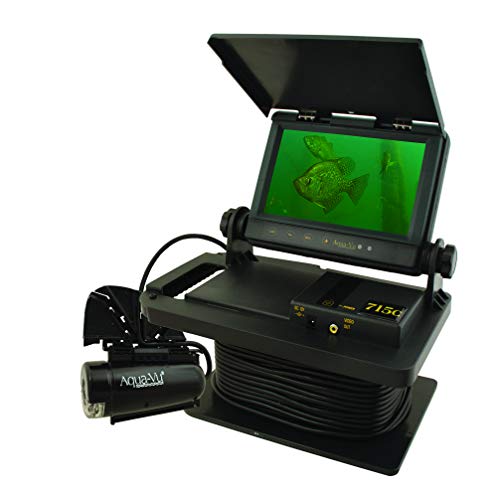
IP67 Waterproof 7-inch full color high resolution LCD with RCA video out
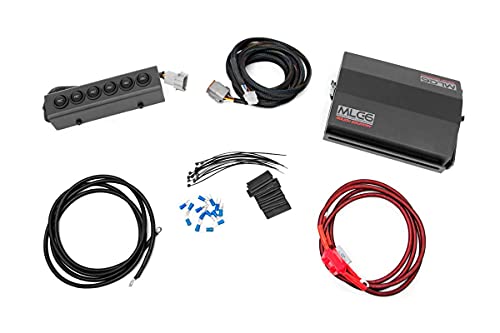
Seamless Lighting & Accessory Control: Manage up to six LED lights or accessories with Rough Country’s MLC-6 controller, providing quick access and control on the road or trail.
Prioritizing Reliability in Demanding Conditions
In the unpredictable world of regattas, the reliability of power systems often determines the difference between victory and defeat. Teams must prioritize battery chemistry and maintenance protocols to navigate demanding marine conditions successfully.
- Lead-acid batteries offer forgiveness during charging mishaps, perfect for rough seas—but they demand regular charging to avoid sulfation.
- Lithium variants, like LiFePO4, boast impressive longevity, delivering over 2000 cycles—but they need robust management systems to prevent operational failures.
Routine inspections, tight connections, and corrosion prevention are essential, especially in saltwater environments. Utilizing a mix of backup power solutions and renewable sources guarantees you’re never left stranded, making the difference between sailing smoothly and sinking into chaos. As they say, “A sailor’s best friend is a fully charged battery!”
Future Trends in Marine Battery Technology
While the marine industry races toward a greener future, innovations in battery technology are charting the course for more efficient and sustainable voyages. The burgeoning marine battery market, projected to grow from USD 1.25 billion in 2026 to USD 2.66 billion by 2034, reflects the shift towards sustainable practices.
Central to this transformation is advancements in battery chemistry. The emergence of lithium-ion batteries—boasting higher energy density and longer lifespans than traditional lead-acid types—positions them as a favorite among shipbuilders. Additionally, solid-state batteries promise enhanced safety and reduced charging times.
Integrating renewable energy sources and smart battery management systems guarantees ideal performance, all while supporting maritime decarbonization efforts. The future of marine technology is not just bright; it’s electric.
Frequently Asked Questions
How Do I Choose the Right BMS for My Yacht?
To choose the right BMS for a yacht, assess battery chemistry compatibility and evaluate specific power requirements. Prioritize features like thermal management, monitoring capabilities, and integration with existing systems to guarantee peak performance and safety.
What Is the Lifespan of Marine Lithium Batteries?
Marine lithium batteries typically offer longevity of 8–10 years, with potential cycles reaching up to 5,000. Proper lithium battery maintenance, including appropriate charging and temperature control, greatly enhances lifespan and overall performance in marine environments.
Can I Install a BMS Myself?
Like maneuvering uncharted waters, DIY Battery Management System (BMS) installation presents both opportunities and risks. One can succeed with adequate skills and tools, but errors may cause hazards, making professional help highly advisable for complex setups.
How Do Saltwater Conditions Affect Battery Performance?
Saltwater conditions adversely affect battery performance through saltwater corrosion, compromising structural integrity and efficiency. Regular battery maintenance, including inspections and corrosion-resistant enclosures, is essential to mitigate damage and prolong battery lifespan in marine environments.
What Happens if My BMS Fails During a Race?
Amidst the relentless race, BMS failure casts a shadow, jeopardizing battery protection. The consequences unfold: power loss and safety hazards loom. Emergency protocols become essential, guiding crews through the tempest of unforeseen challenges and critical decisions.


