As an Amazon Associate, we earn from qualifying purchases. Some links on this site are affiliate links at no extra cost to you. Our recommendations are based on thorough research and editorial judgment.
Insurance and Liability for RC Boat Events

Insurance and liability for RC boat events are vital for guaranteeing participant safety. Coverage types include collision and bodily injury liability, protecting against accidents and medical expenses. While most states don’t require insurance for personal RC boats, marinas might. Organizers must assess risks, enforce safety protocols, and verify certified officials are present to minimize claims. Communication with insurers is key to clarify coverage limits and potential exclusions. Discover more about essential guidelines for a smooth event.
Key Takeaways
- Most states do not require insurance for RC boats, but motorized vessels may have different regulations and marina requirements.
- Governing organizations like the American Canoe Association offer general liability coverage for sanctioned events and specific needs for off-water activities.
- Event organizers must assess risks to identify necessary liability protections, particularly for bodily injury and property damage.
- Certified officials are crucial for ensuring compliance with insurance requirements and enhancing safety at RC boat events.
- Non-compliance with insurance and safety protocols can result in denied coverage and increased liability for event organizers.
Understanding Insurance Coverage Types for RC Boat Events
You may be interested
When it comes to RC boat events, understanding the various types of insurance coverage is essential—not just for protecting valuable equipment, but also for ensuring the safety and enjoyment of everyone involved. Different coverage types offer critical protection:
- Collision Damage Coverage safeguards against repair costs from accidents.
- Bodily Injury Liability Coverage covers medical expenses arising from injuries due to boat operation.
- Property Damage Liability Coverage protects against damages to third-party properties.
Conducting a thorough risk assessment can help boaters choose the right policies. For instance, companies often bundle coverage types to simplify decisions, ensuring event organizers are well-prepared for potential mishaps. Extensive options are also available, adding peace of mind for those maneuvering the waters of RC boat events. Additionally, considering advanced GPS features in boats can enhance safety by improving navigation and avoiding potential accidents.
Recommended Products

Precision Performance Tracking: Utilize dual GPS and GLONASS systems to confirm your RC's top speeds and customize metrics for drag, track, or flight, ensuring every claim is validated with pinpoint accuracy.

LONG-BATTERY VEHICLE TRACKING – Built for cars, trailers, fleets, equipment, boats, and motorcycles, Tracki’s trailer GPS tracker uses a 10,000mAh battery for 2 to 7 months active at 1–5 minute updates or up to 12 months in sleep mode.

LOW COST PLAN: Our wired vehicle GPS tracker requires a subscription to our easy-to-use mobile and desktop apps. Simply activate the device, choose your plan, and start tracking.
Overview of Governing Organization Insurance Policies

Maneuvering the world of insurance policies for RC boat events can feel similar to steering a complex course through choppy waters—challenging yet rewarding when understood correctly. Governing organizations like the American Canoe Association provide general liability coverage, primarily protecting against on-water claims. Event organizers must register properly, and typically, membership is essential.
Key features include:
- Coverage is mainly for sanctioned events; off-water activities often require separate arrangements.
- Policies extend liability and property damage coverage for members at insured sites, with exclusions for safety violations.
- Individual events may necessitate unique insurance arrangements.
Insurance policy comparisons reveal varying limits and specific exclusions, making claims process navigation vital. Understanding these factors guarantees a smoother sailing experience for all participants. Additionally, some submarines feature advanced functionalities designed to enhance user experience, reflecting the importance of thorough equipment understanding in event planning.
Recommended Products

【Brushless Watercooled Motor】: Powered by a potent 3554A Brushless Watercooled Motor, with automatic water cooling system, to extend the service life of the ship model....
Liability and Legal Considerations for Event Organizers
Liability and legal considerations are vital aspects for organizers of RC boat events, often resembling a game of chess where every move counts. The stakes are high, with the potential for negligence claims looming large—especially if accidents arise from inadequate safety measures or overly relaxed supervision.
To mitigate risks, organizers should:
- Adhere to safety regulations stringently—implement protocols that align with local laws.
- Require safety training for participants, ensuring everyone is informed and prepared.
- Establish clear rules against risky behaviors, like alcohol consumption during operation.
Additionally, having well-documented emergency response plans and utilizing participant waivers can provide layers of protection. Organizers may also benefit from understanding high-speed performance features of RC boats to prevent mishaps during events. Overall, staying vigilant and proactive in these legal considerations is essential to navigate the complexities of event organization successfully.
Insurance Requirements and Regulations for RC Boat Events

Steering through the insurance requirements for RC boat events can feel like charting a course through uncharted waters, especially since regulations can vary markedly depending on state and locality.
- State Requirements: Most states do not mandate insurance for privately owned RC boats. Exceptions often apply to motorized vessels, requiring minimum coverage—like $300,000 in Colorado.
- Venue Regulations: Many marinas require proof of insurance for slip rentals, with potential suspension of services upon lapses.
Participants’ responsibilities also include providing current registration and ensuring all insurance endorsements are up to date. These insurance regulations safeguard not just personal interests but help maintain safe, enjoyable environments for all involved in the exhilarating world of RC boating. Embracing these requirements is essential for smooth sailing at events. Additionally, understanding the importance of battery life is crucial, as insufficient power can hinder a boat’s performance during an event.
Recommended Products
![ESSENTIAL Car Auto Insurance Registration BLACK Document Wallet Holders 2 Pack - [BUNDLE, 2pcs] - Automobile, Motorcycle, Truck, Trailer Vinyl ID Holder & Visor Storage - Strong Closure On Each -](https://m.media-amazon.com/images/I/41k-QvzFVuL._SL500_.jpg)
ESSENTIAL Car Auto Insurance Registration BLACK Document Wallet Holders 2 Pieces
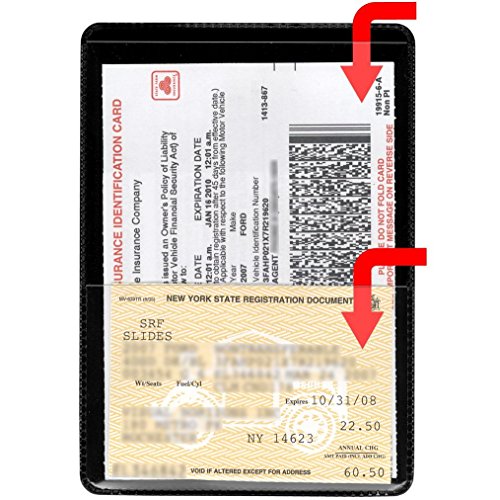
⭐ Twice the Value, Same Archival Protection Each pack includes two sleeves made from archival-quality plastic that won’t lift ink—keeps both your insurance cards crisp, clean, and safe, day after day.

New Set of 2 Auto Car Registration & Insurance Card Holder
Identifying Event-Specific Insurance Needs

Identifying event-specific insurance needs is often an essential step for organizers aiming to navigate the adventurous domain of RC boat events. A thorough insurance assessment begins with a focused risk evaluation, identifying potential liabilities such as:
- Bodily injury: Collisions or loss of control can lead to accidents involving participants and spectators.
- Property damage: Events can inadvertently harm facilities or other boats.
- Equipment failure: Mechanical issues may result in serious incidents.
- Alcohol liability: Events with alcohol can complicate safety compliance.
Coverages like general liability insurance, typically starting at $1 million, safeguard against these risks. Event organizers must guarantee participant waivers and vendor insurance meet specified thresholds to fortify protection, keeping safety a top priority while allowing the thrill of competition to flourish. Additionally, ensuring that proper equipment durability is recognized can help prevent potential accidents related to mechanical failures during events.
Risk Management Best Practices for RC Boat Events
Ensuring safety and minimizing risk during RC boat events demand a proactive approach that blends expert scrutiny with practical measures. Key to effective risk mitigation is assigning a dedicated Safety Officer for each course, overseeing operations and ensuring safety boats are properly staffed and equipped.
- Safety boats should carry essential gear—think rigging knives—and undergo drills for emergency readiness.
- Clear, centralized communication via a Signal Boat is crucial for swift action during crises.
Furthermore, dynamic risk assessments must be encouraged. By empowering personnel with Stop Work Authority, the event fosters a culture of safety and accountability. Regular audits and attentive course management allow for quick adaptations to changing conditions, ensuring that competitors stay informed and safe. Taking note of safety features can also enhance the overall security and functionality of RC boats during events.
Importance of Participant Waivers and Safety Briefings
Participant waivers and safety briefings play a significant role in the landscape of RC boat events, acting as the backbone of risk management alongside proactive safety measures.
These participant agreements not only inform participants of the inherent risks—like splashes and potential collisions—but also require them to acknowledge and assume those risks. This acknowledgment is essential, as it helps protect organizers from legal claims.
In addition, safety briefings serve as important educational tools. They clarify emergency protocols and reinforce safety practices to guarantee everyone is on the same page, reducing accident likelihood.
The Role of Certified Officials in Insurance Validity
In the world of RC boat events, certified officials are more than mere facilitators; they are essential to the integrity and safety of these gatherings. Their expertise plays a pivotal role in meeting insurance compliance requirements, ensuring events qualify for liability coverage. Here’s how certified officials make a difference:
- Validation of Coverage: Many insurance policies require certified officials for liability coverage.
- Risk Mitigation: By enforcing safety regulations, they reduce potential claims.
- Expert Knowledge: Trained officials know their legal responsibilities, enhancing event legitimacy.
Without certified officials, events could face denial of coverage—resulting in costly repercussions. Ultimately, these officials are not just referees; they are the backbone of secure, sanctioned events that sailors enthusiastically anticipate.
Communicating With Insurance Providers About Coverage Limits
When organizing an RC boat event, securing the proper insurance coverage can feel as intricate as steering a tightly contested race. Communicating effectively with insurance providers is essential for achieving clarity on coverage limits.
- Confirm maximum liability limits—typically $1 million per occurrence, with $2 million aggregate.
- Conduct thorough coverage verification to understand if it applies broadly or only to sanctioned events.
- Explore policy exclusions—these can void coverage for safety violations or non-sanctioned activities, leaving participants vulnerable.
Additionally, clarify bodily injury and property damage limits, often starting at $25,000 per person. As the event unfolds, clear communication about risks, needs, and expectations can guarantee adequate protection, steering smoother through potential pitfalls in insurance coverage.
Frequently Asked Questions
What Are the Costs Associated With Event Insurance for RC Boat Events?
Event insurance for RC boat events involves insurance premiums influenced by risk assessment factors like event size, location, and equipment value. Basic policies can start low, while extensive coverage increases based on specific needs and risks.
How Can Participants Confirm Their Insurance Coverage for Events?
Participants may confirm their insurance coverage for event participation by contacting organizers for documentation, reviewing their membership benefits, and checking with insurance providers to guarantee proper coverage verification aligns with event requirements and safety protocols.
Are There Age Restrictions for Participants Regarding Insurance Coverage?
Age restrictions exist for participant eligibility regarding insurance coverage, particularly affecting youth participation. Organizations often require participants to be at least 18 or mandate adult supervision for younger individuals to guarantee coverage compliance and safety standards.
What Happens if an Uninsured Participant Causes an Accident?
Uninsured liability releases unsettling accident consequences, as the responsible participant remains personally liable for damages. Victims may pursue legal recourse, facing the frustrating reality of recovery when the uninsured operator lacks sufficient assets to cover costs.
How Do Weather Conditions Affect Insurance Coverage for Events?
Weather conditions considerably impact insurance coverage for events, creating liability concerns. Severe weather can lead to cancellations or reduced attendance, necessitating specific policies that address risks associated with adverse weather, ensuring financial protection for organizers.


